Aid Acoustics

We offer a wide range of mineral fiber drop ceiling tiles, perforated gypsum ceiling panels, and ceiling grid designed not just as decorative panels but with acoustic performance in mind. Ideal for architectural projects, our acoustic ceiling panels elevate sound control, energy efficiency, and indoor air quality, making them perfect for modern acoustical design needs.

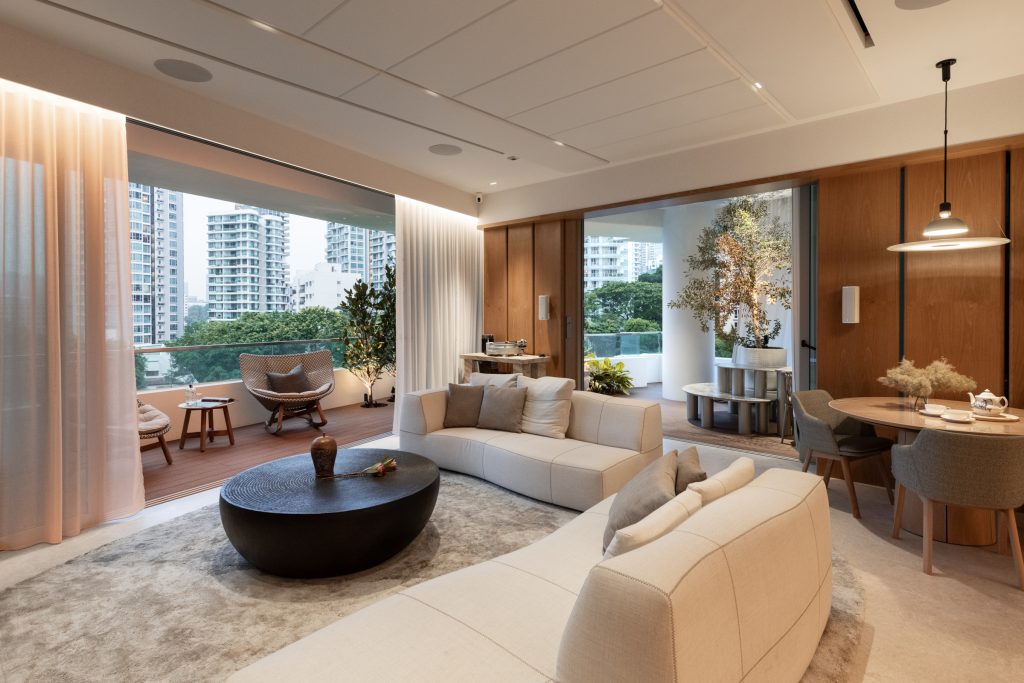
A modern living and dining area with light neutral furnishings, a large curved sofa, round black coffee table, sliding doors opening to a balcony, and city buildings visible outside. Warm lighting creates a cozy atmosphere.

Wall & Ceiling Panels

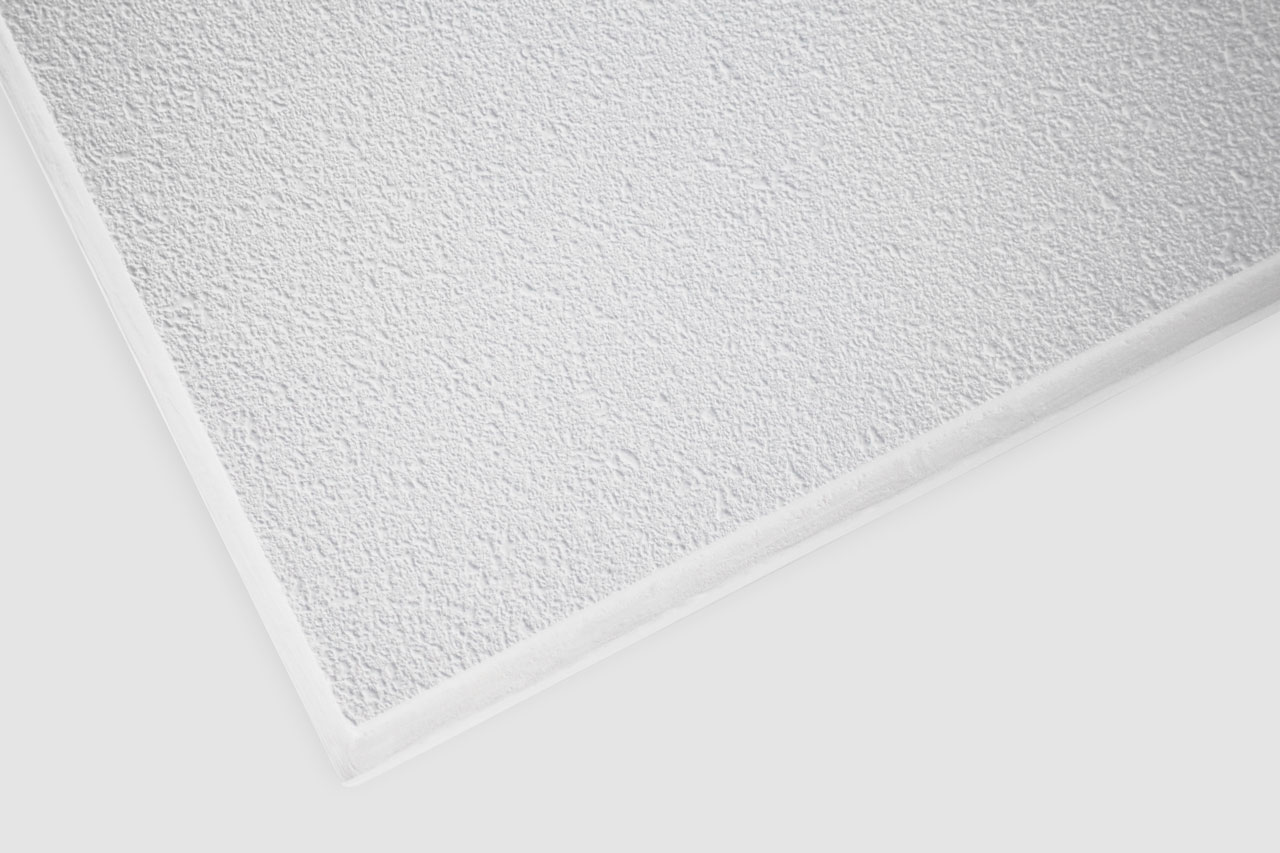
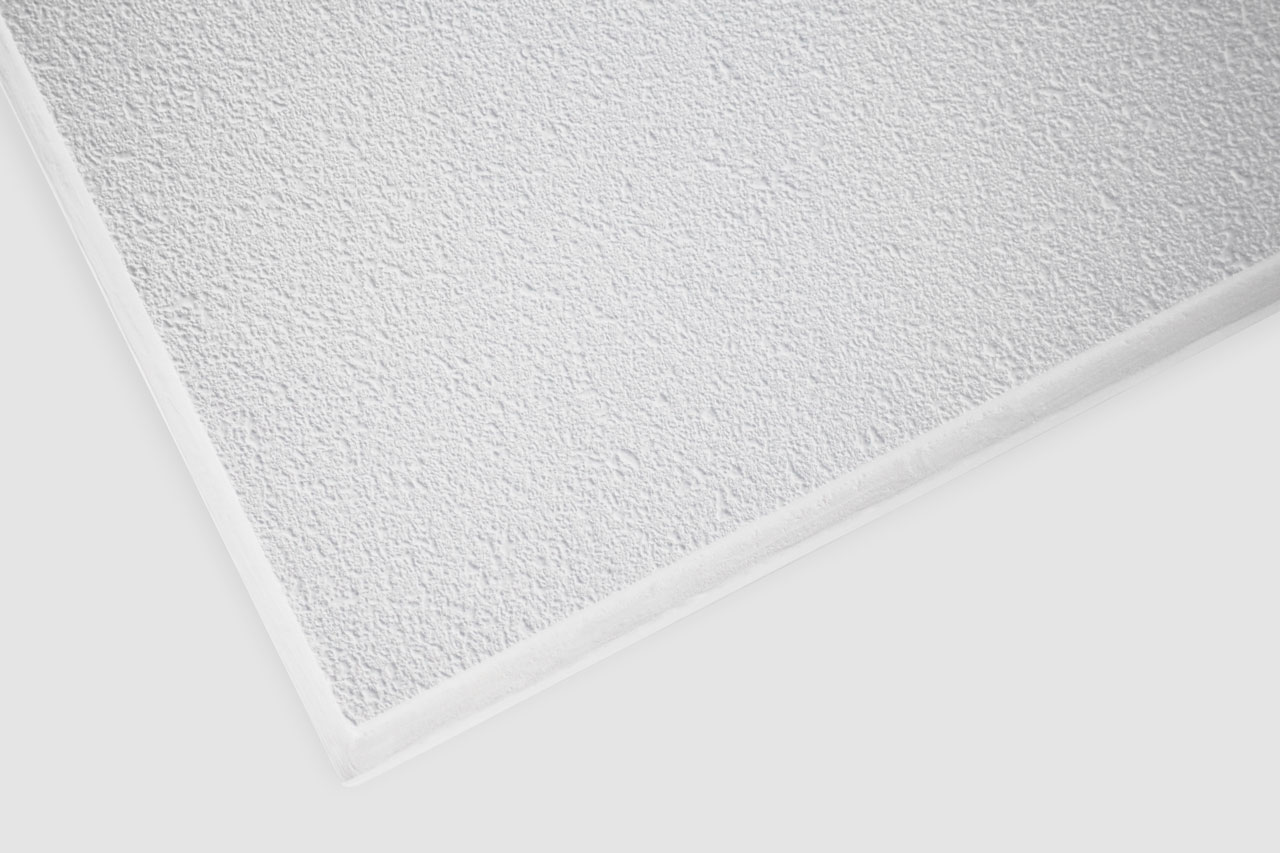
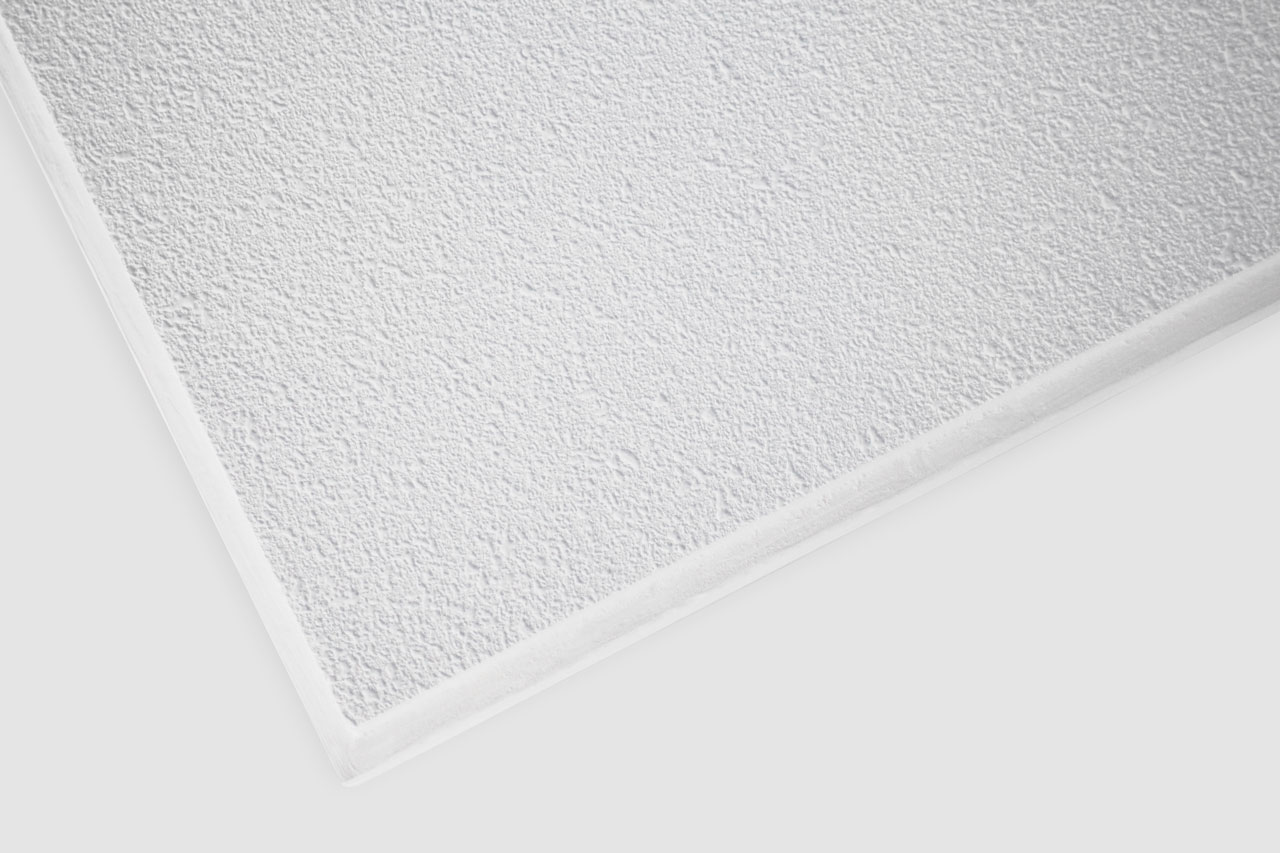
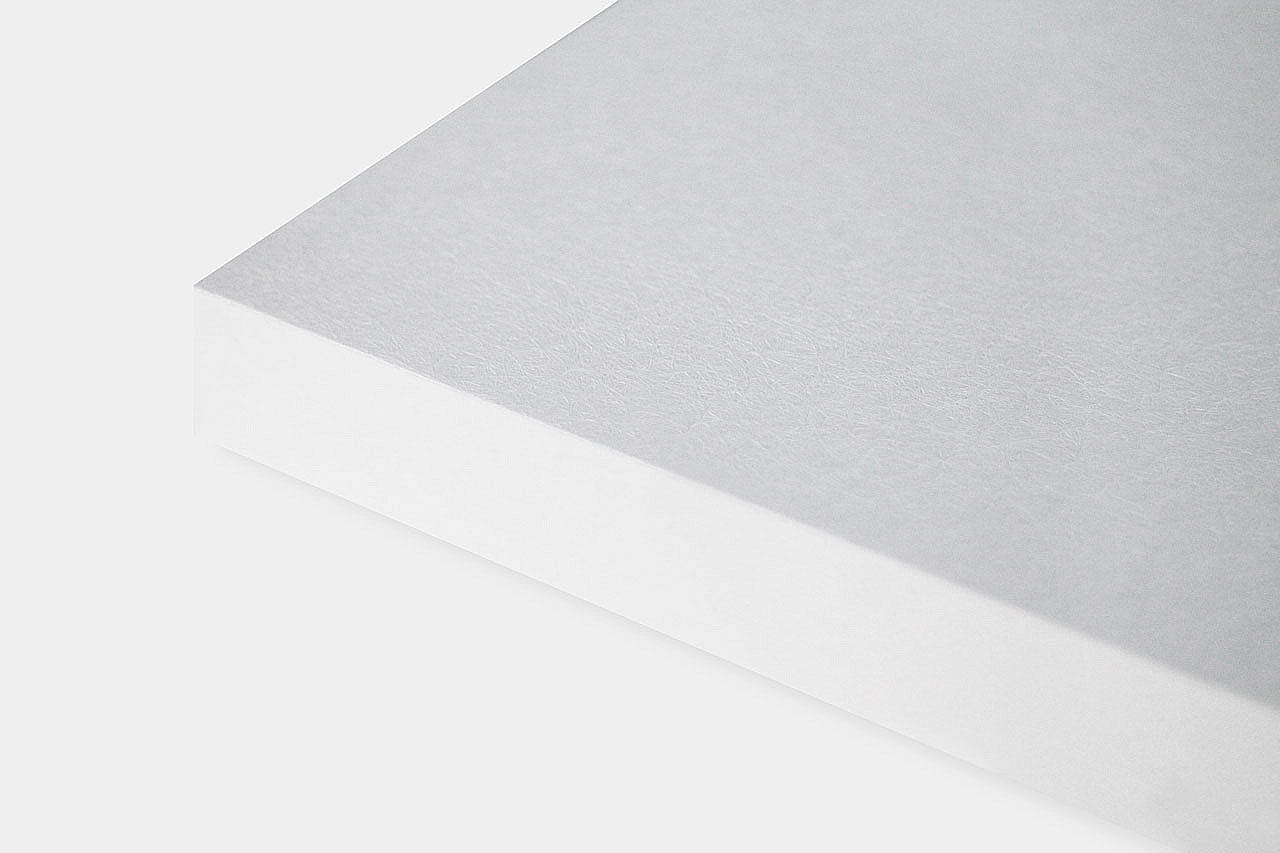
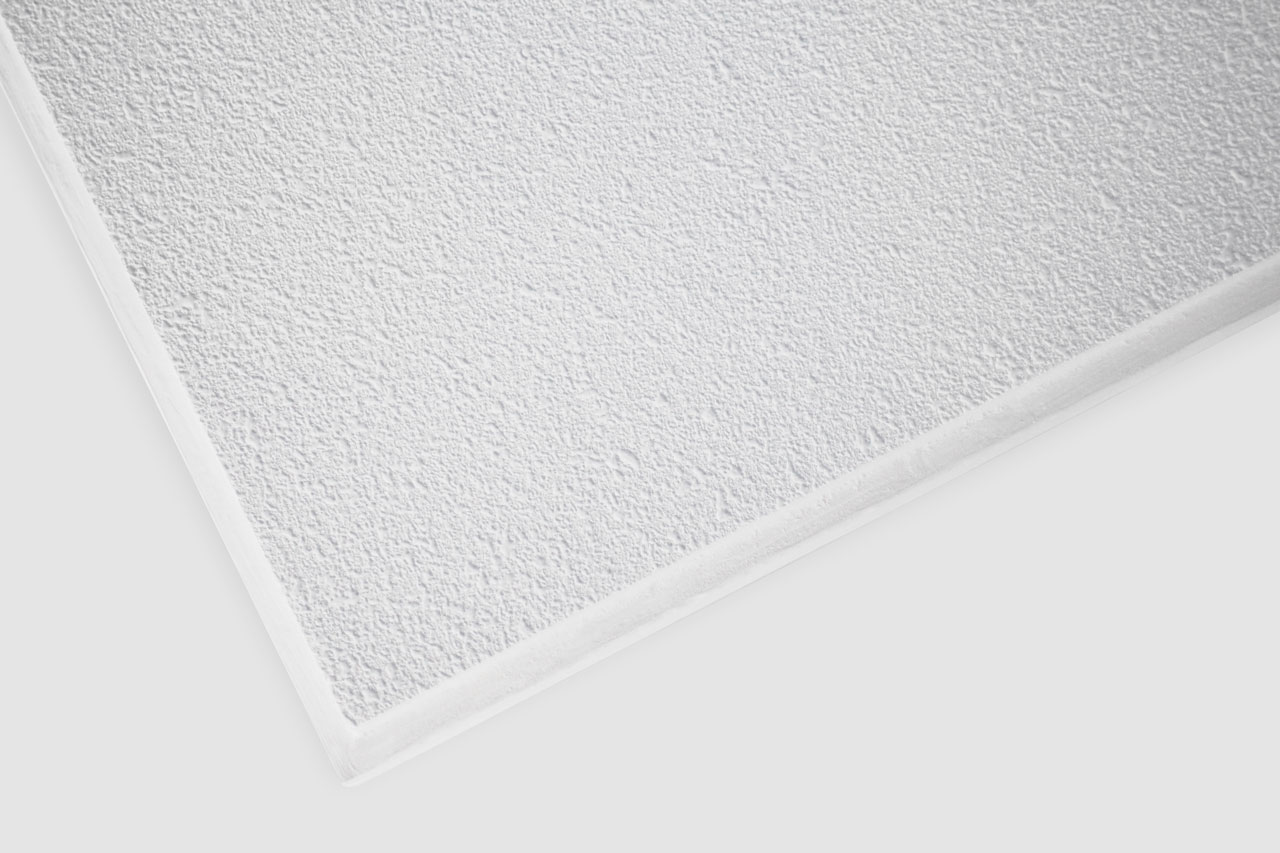
Close-up of a white, rectangular ceiling tile with a slightly rough, textured surface, shown against a plain white background.

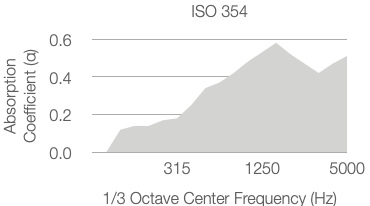
Ceiling Tile 12

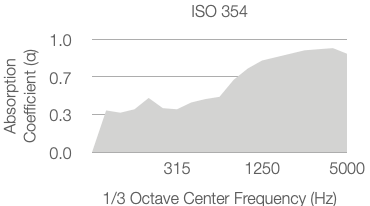
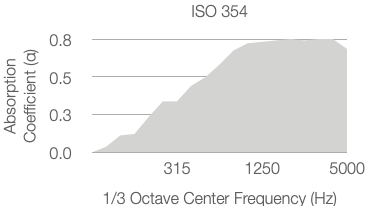
Area graph showing absorption coefficient versus 1/3 octave center frequency (Hz). The coefficient increases from near 0 at 315 Hz, peaks above 0.6 between 1250 and 5000 Hz, then slightly decreases at 5000 Hz.

Acoustic ceiling tile 12, made from high-density materials, offer seamless integration and effective sound absorption for various environments.

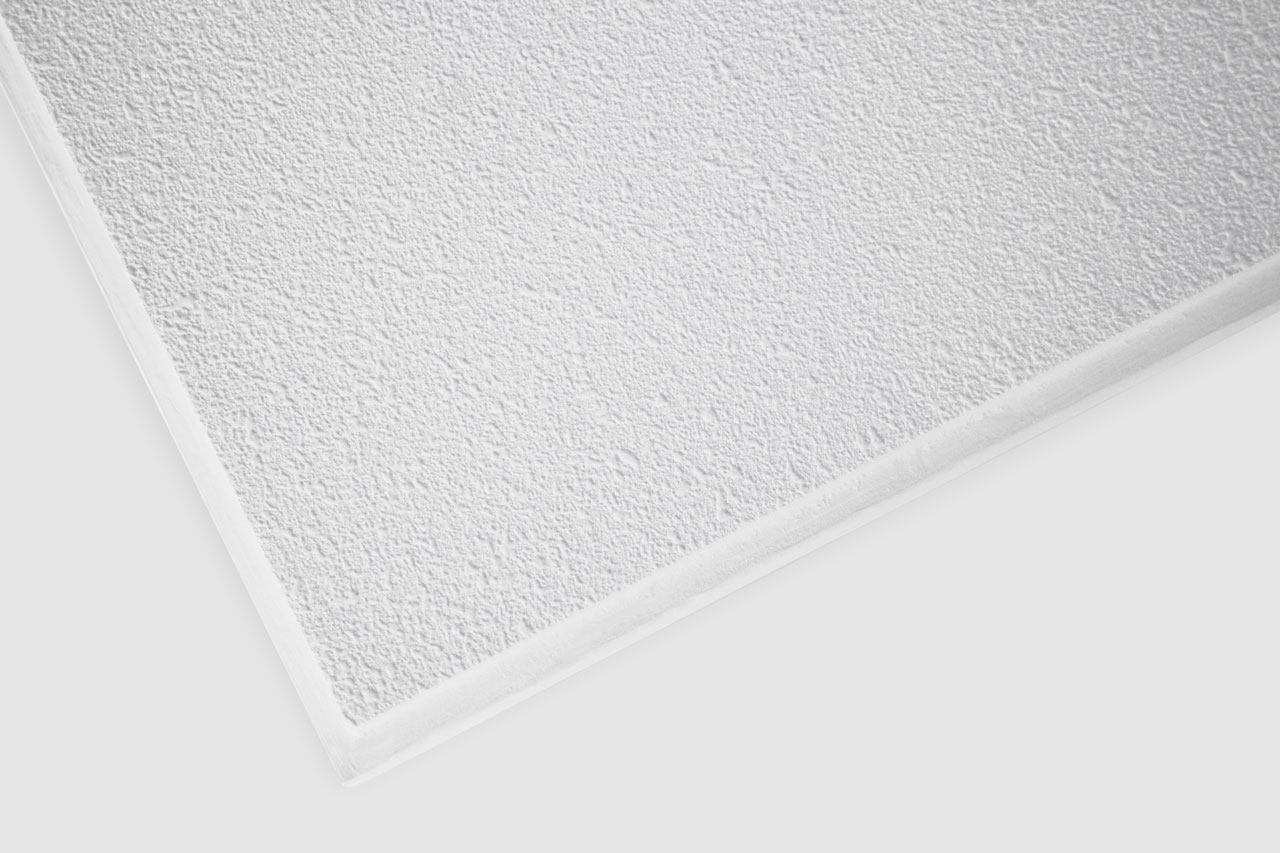
Close-up of a white textured ceiling tile with a rough, speckled surface and clean edges, shown against a plain, light background.

Ceiling Tile 15

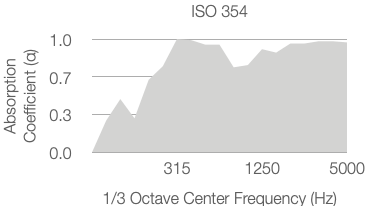
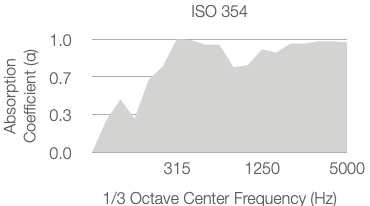
A shaded area graph shows absorption coefficient (α) rising from about 0.3 at 315 Hz to nearly 1.0 at 5000 Hz, with ISO 354 labeled above and frequency values marked on the x-axis.

Acoustic ceiling tile 15, made from high-density materials, offer seamless integration and effective sound absorption for various environments.

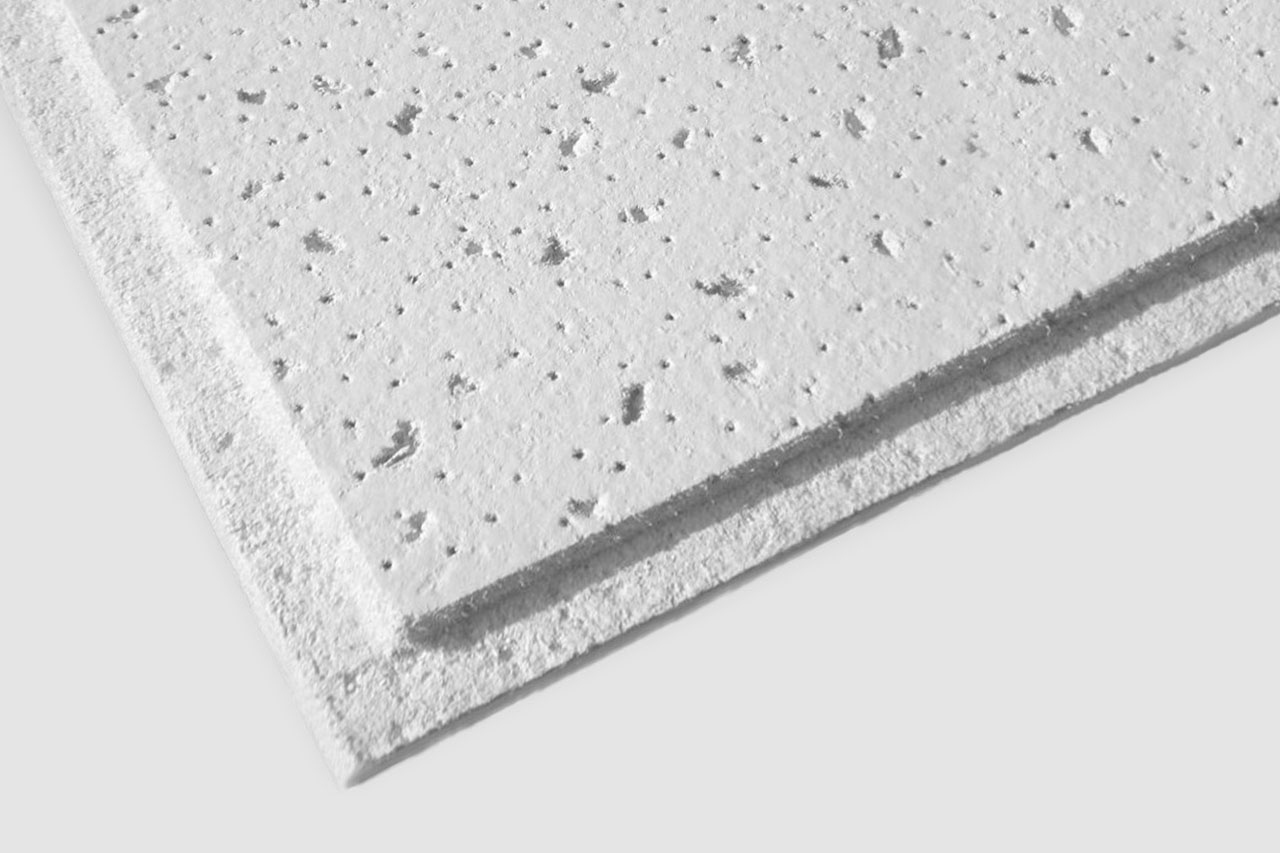
Close-up view of a white textured ceiling tile with a slightly rough surface, shown at an angle against a plain white background.

Ceiling Tile 20

A shaded area graph shows absorption coefficient (α) rising from 0.2 to above 0.7 as the 1/3 octave center frequency (Hz) increases from 315 to 5000, according to ISO 354 standards.

Acoustic ceiling tile 20, made from high-density materials, offer seamless integration and effective sound absorption for various environments.

A close-up view of a white, textured ceiling tile with a rough, bumpy surface, shown from an angle against a plain background.

Ceiling Tile 25

A gray area graph shows absorption coefficient (α) on the y-axis (0 to 1.0) versus 1/3 octave center frequency (Hz) on the x-axis (315 to 5000) per ISO 354, with values rising and stabilizing above 0.7.

Acoustic ceiling tile 25, made from high-density materials, offer seamless integration and effective sound absorption for various environments.

Close-up of the edge of a white acoustic ceiling tile with a textured, speckled surface and a beveled edge, isolated on a plain light background.

Mineral Tile 12

Area graph showing absorption coefficient versus 1/3 octave center frequency (Hz). The coefficient increases from near 0 at 315 Hz, peaks above 0.6 between 1250 and 5000 Hz, then slightly decreases at 5000 Hz.

Acoustic mineral tile 12, crafted from high-density mineral fiber, provide seamless integration with ceiling systems while delivering excellent sound absorption and thermal stability 

Close-up of the edge of a white acoustic ceiling tile with a textured, speckled surface and a beveled edge, isolated on a plain light background.

Mineral Tile 15

A shaded area graph shows absorption coefficient (α) rising from about 0.3 at 315 Hz to nearly 1.0 at 5000 Hz, with ISO 354 labeled above and frequency values marked on the x-axis.

Acoustic mineral tile 15, crafted from high-density mineral fiber, provide seamless integration with ceiling systems while delivering excellent sound absorption and thermal stability 

Close-up of the edge of a white acoustic ceiling tile with a textured, speckled surface and a beveled edge, isolated on a plain light background.

Mineral Tile 20

A shaded area graph shows absorption coefficient (α) rising from 0.2 to above 0.7 as the 1/3 octave center frequency (Hz) increases from 315 to 5000, according to ISO 354 standards.

Acoustic mineral tile 20, crafted from high-density mineral fiber, provide seamless integration with ceiling systems while delivering excellent sound absorption and thermal stability 

Close-up of the edge of a white acoustic ceiling tile with a textured, speckled surface and a beveled edge, isolated on a plain light background.

Mineral Tile 25

A gray area graph shows absorption coefficient (α) on the y-axis (0 to 1.0) versus 1/3 octave center frequency (Hz) on the x-axis (315 to 5000) per ISO 354, with values rising and stabilizing above 0.7.

Acoustic mineral tile 25, crafted from high-density mineral fiber, provide seamless integration with ceiling systems while delivering excellent sound absorption and thermal stability 

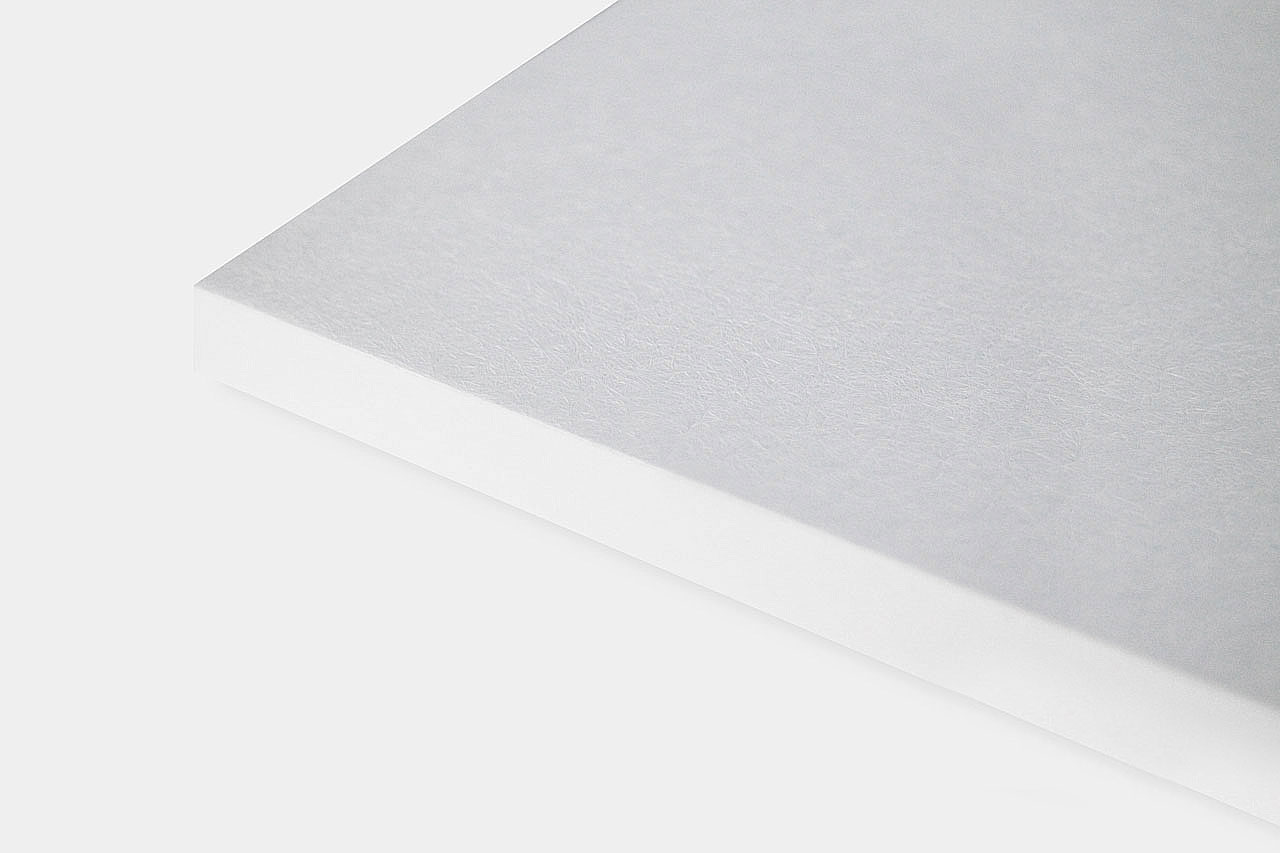
A close-up view of the corner of a white, rectangular sheet of paper on a light gray background.

Ceiling Cloud 25

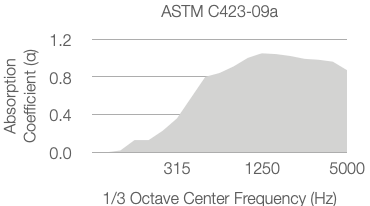
Line graph showing absorption coefficient (α) vs. 1/3 octave center frequency (Hz), based on ASTM C423-09a. The absorption increases, peaks near 1250 Hz, then decreases slightly by 5000 Hz.

Acoustic Ceiling Cloud 25 offers effective sound absorption and easy installation, while maintaining design appeal.

A close-up of the corner of a white, rectangular sheet of paper or cardstock on a plain light background. The surface shows a subtle, textured finish.

Ceiling Cloud 40

A line graph showing absorption coefficient (α) on the y-axis rising from 0.0 to 0.8 as the 1/3 octave center frequency (Hz) on the x-axis increases from 315 to 5000, according to ISO 354.

Acoustic Ceiling Cloud 40 offers effective sound absorption and easy installation, while maintaining design appeal.

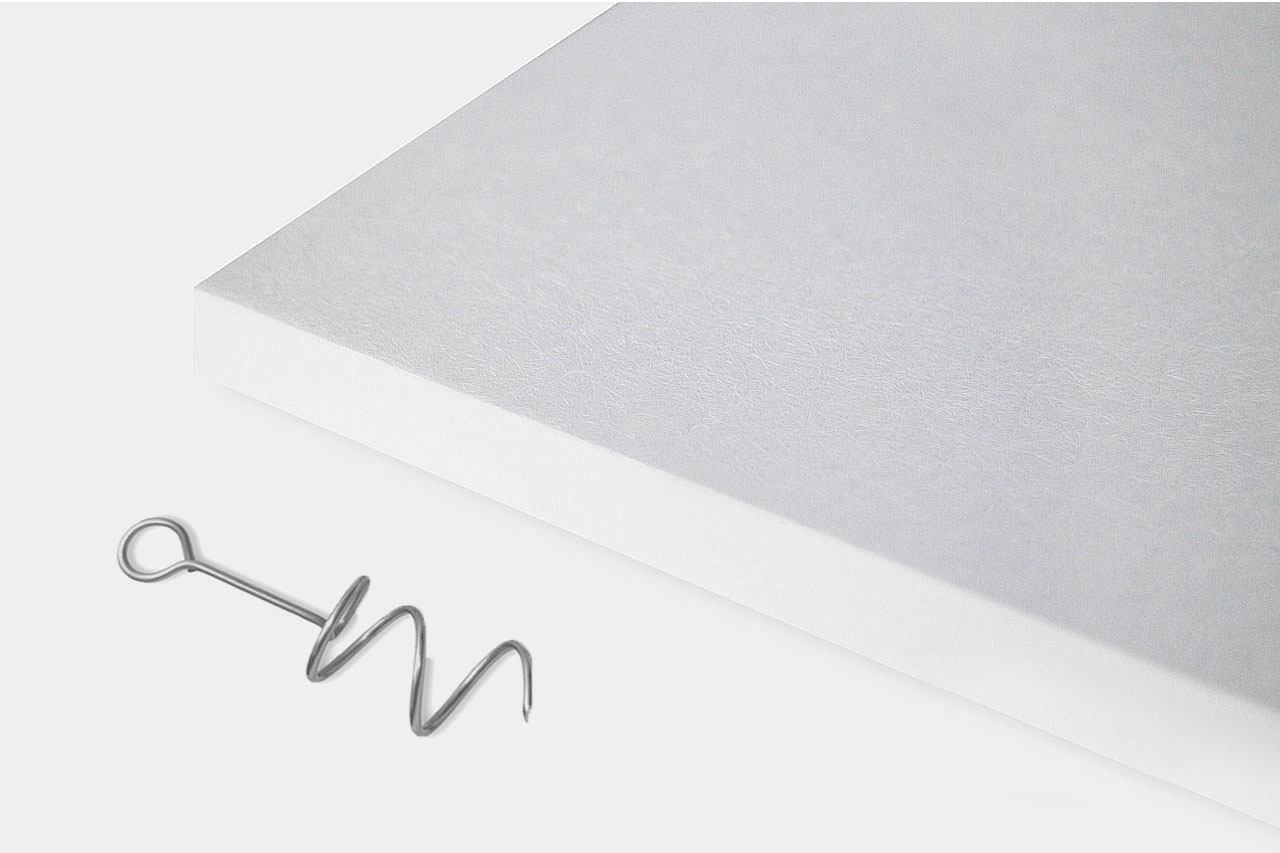
A metal corkscrew lies next to the corner of a thick white rectangular board on a plain white background.

Ceiling Baffle 25

Line graph showing absorption coefficient (α) vs. 1/3 octave center frequency (Hz), based on ASTM C423-09a. The absorption increases, peaks near 1250 Hz, then decreases slightly by 5000 Hz.

Acoustic Ceiling Baffle 25 offers dual-sided sound absorption and easy installation, perfect for noise reduction in various spaces.

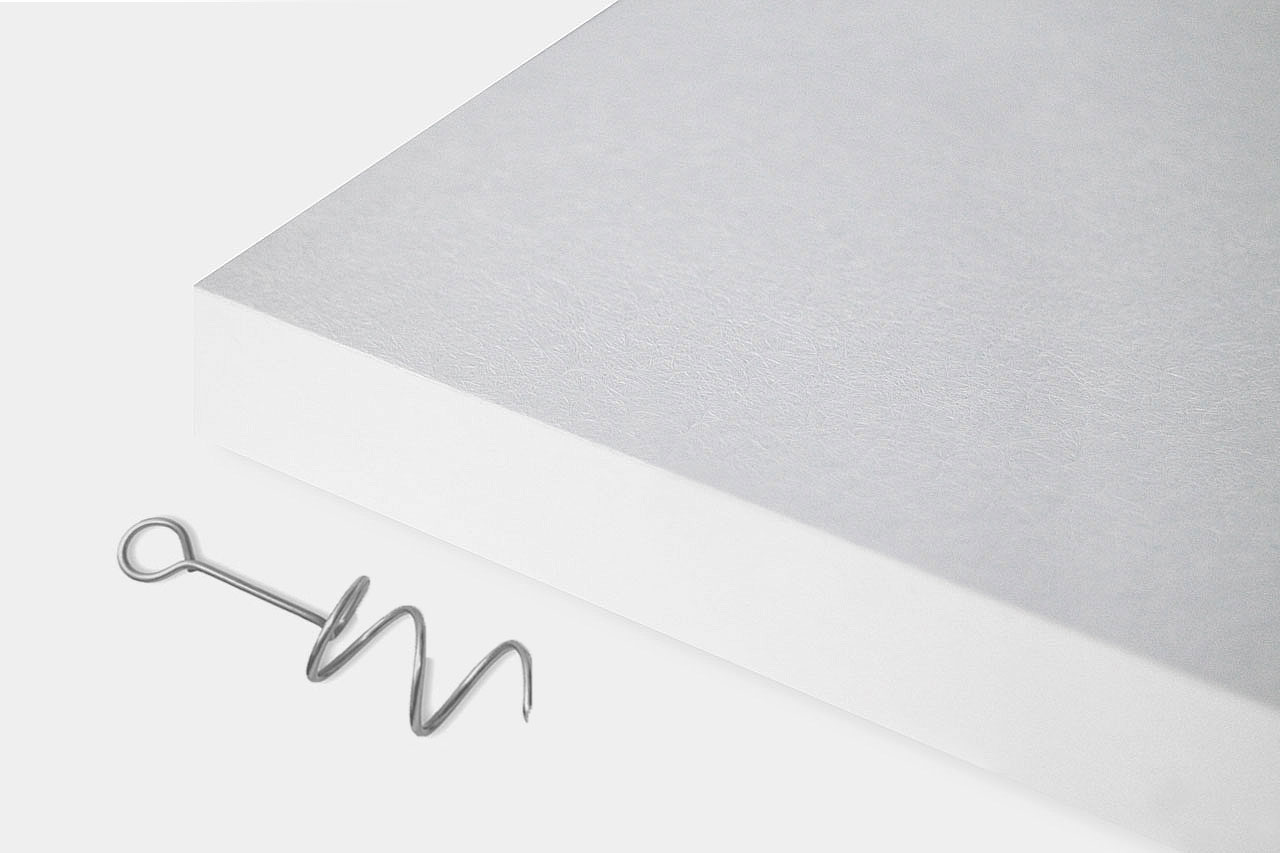
A silver corkscrew lies next to the lower right corner of a thick, white rectangular sheet or board on a plain white background.

Ceiling Baffle 50

A line graph showing absorption coefficient (α) on the y-axis rising from 0.0 to 0.8 as the 1/3 octave center frequency (Hz) on the x-axis increases from 315 to 5000, according to ISO 354.

Acoustic Ceiling Baffle 50 offers dual-sided sound absorption and easy installation, perfect for noise reduction in various spaces.

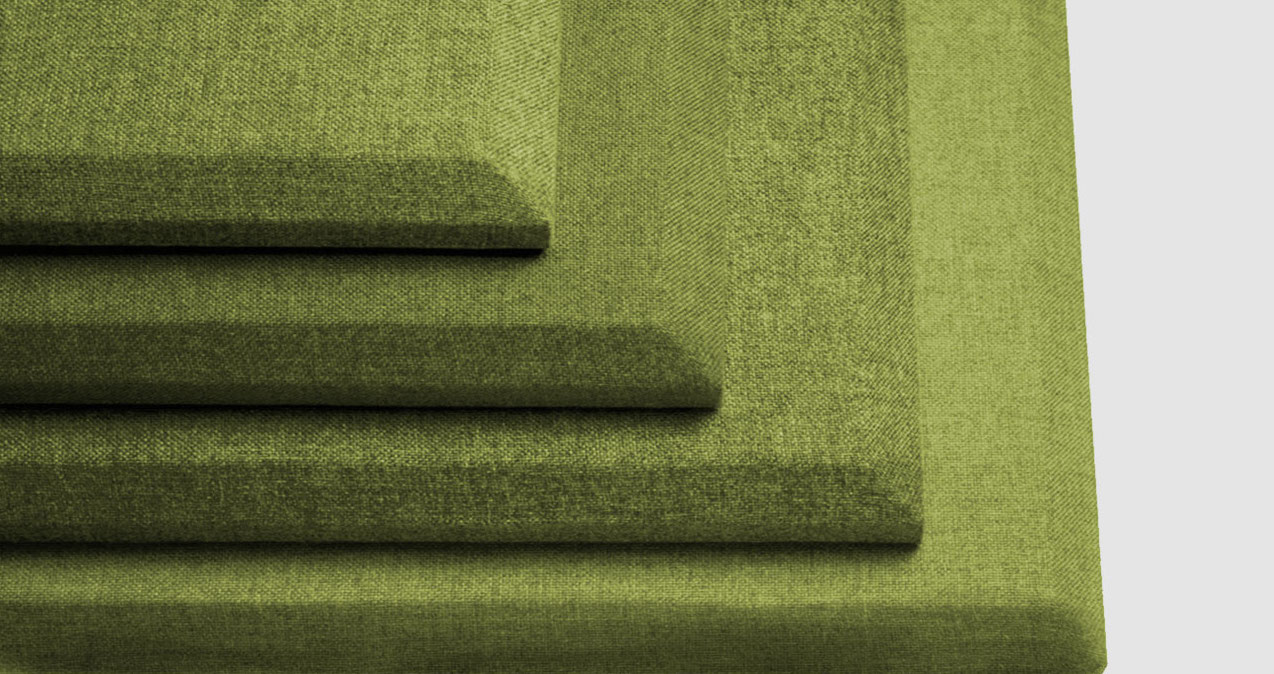
Four green, rectangular, fabric-covered acoustic panels are stacked on top of each other in decreasing size, creating a stepped pattern against a light gray background.

Fabric 25 Bevel

Line graph showing absorption coefficient (α) vs. 1/3 octave center frequency (Hz), based on ASTM C423-09a. The absorption increases, peaks near 1250 Hz, then decreases slightly by 5000 Hz.

Fabric 25 Bevel acoustic panels offer excellent sound absorption and versatile mounting options for ceilings and walls.

Four green, rectangular, fabric-covered acoustic panels are stacked on top of each other in decreasing size, creating a stepped pattern against a light gray background.

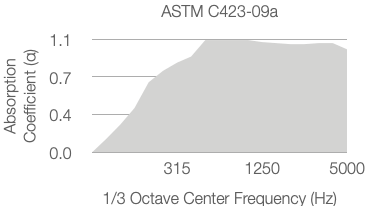
Fabric 50 Bevel

Graph showing absorption coefficient (α) versus 1/3 octave center frequency (Hz). The shaded area rises from 0 to above 1.0 between 315 Hz and 1250 Hz, leveling off up to 5000 Hz. ASTM C423-09a is labeled at the top.

Fabric 50 Bevel acoustic panels offer excellent sound absorption and flexible mounting options for wall and ceiling surfaces.

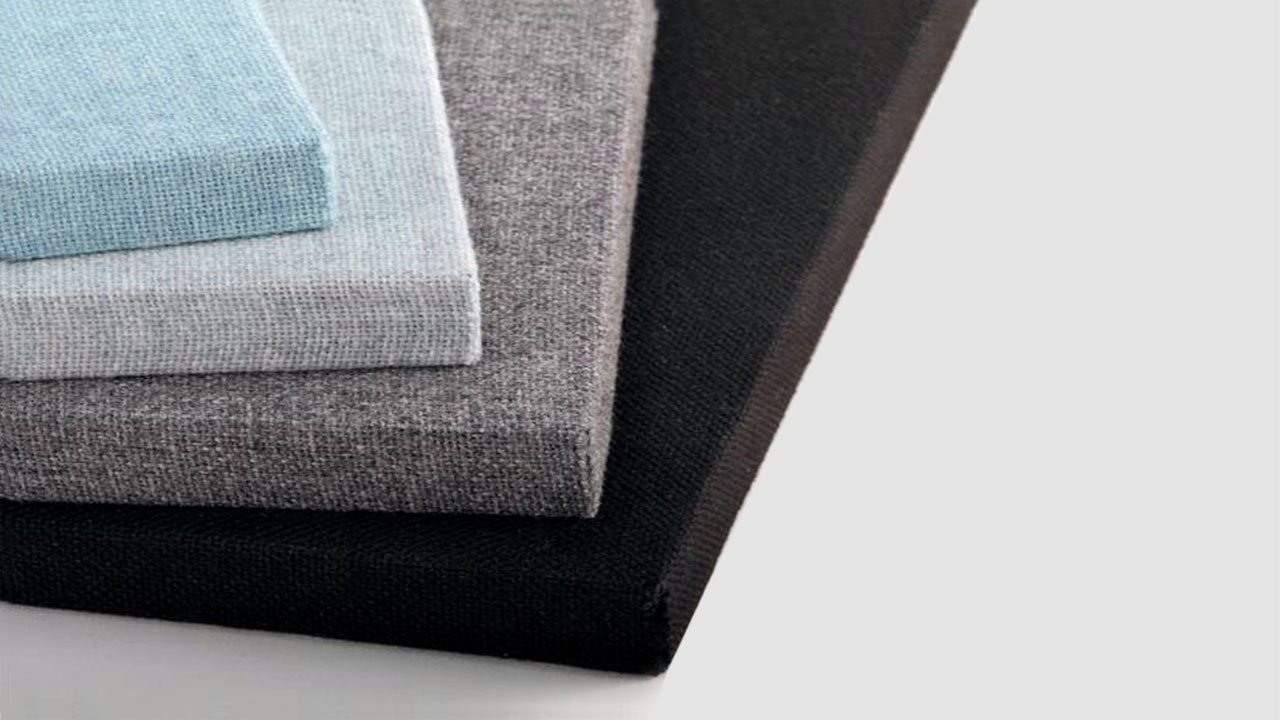
Three rectangular fabric-covered panels stacked diagonally. The top panel is light blue, the middle is gray, and the bottom is black, all set against a light gray background.

Fabrix 25 Square

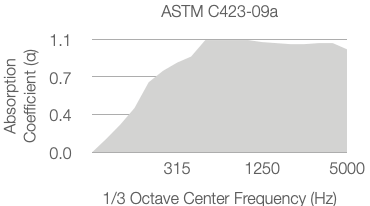
A shaded area graph shows absorption coefficient (α) on the y-axis versus 1/3 octave center frequency (Hz) on the x-axis, with α increasing and peaking between 1250 and 5000 Hz. Title: ASTM C423-09a.

Fabric 25 Square acoustic panels offer excellent sound absorption and versatile mounting options for walls and ceilings.

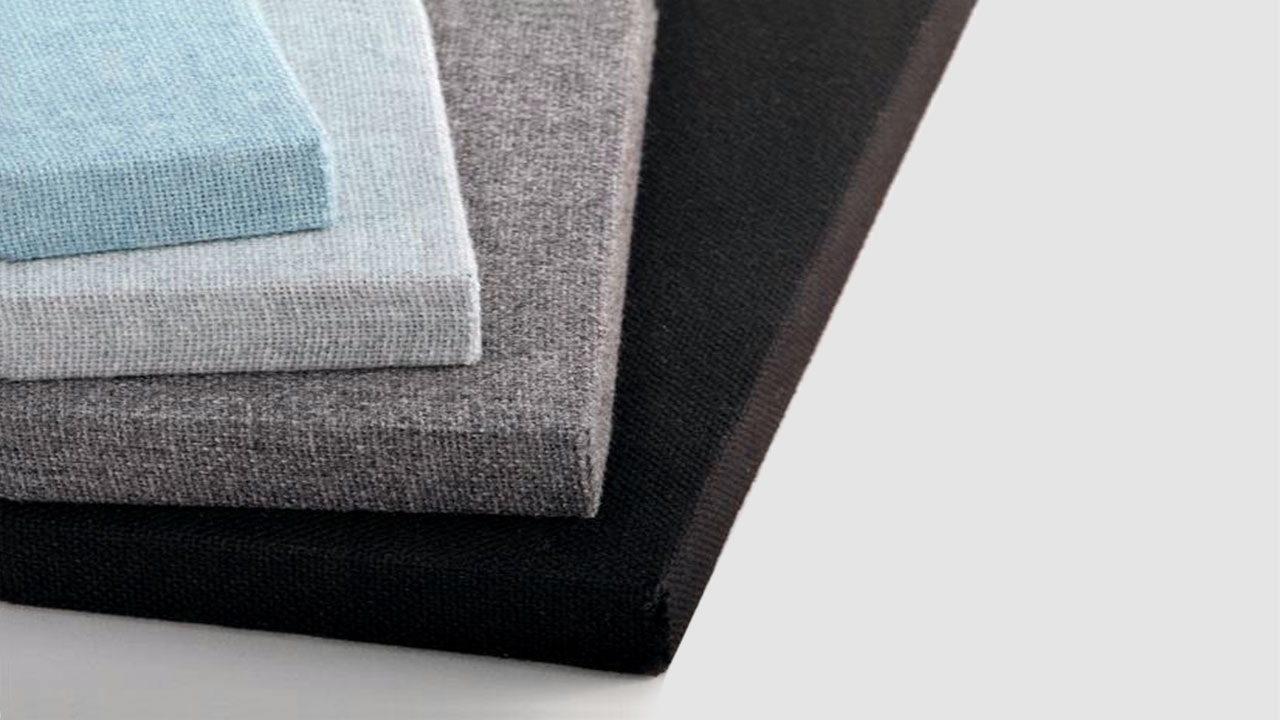
Four rectangular fabric-covered panels are stacked on top of each other. The panels are light blue, light gray, medium gray, and black, displayed from top to bottom against a light background.

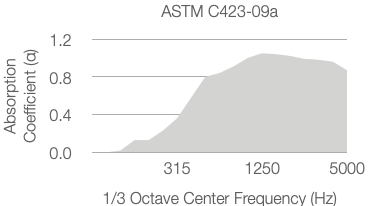
Fabrix 50 Square

A shaded area graph shows absorption coefficient (α) versus 1/3 octave center frequency (Hz), rising from 0 at 315 Hz to above 1.0 at 1250 Hz, then slightly declining by 5000 Hz. ASTM C423-09a is labeled above.

Fabric 25 Bevel acoustic panels offer excellent sound absorption and versatile mounting options for various applications.

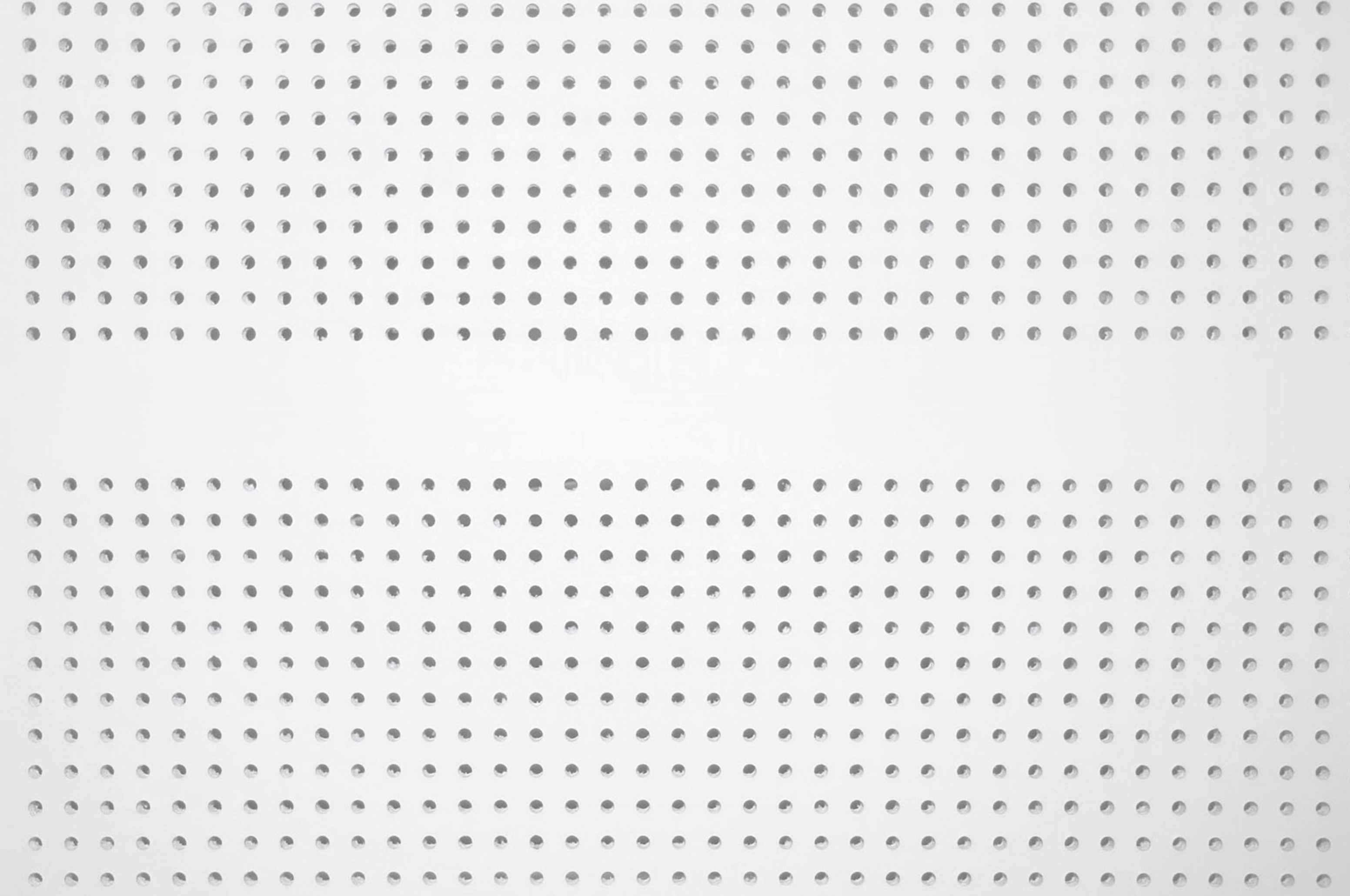
White ceiling panels with a grid pattern, each panel perforated with small holes, creating a uniform, geometric design. The image is well-lit and shows a close-up of the ceiling tiles.

Perforated E8/8/3

A graph showing absorption coefficient versus frequency for 25mm Rockwool. The absorption increases, peaking near 1250 Hz, then decreases towards 5000 Hz. The highest coefficient is just above 1.2.

Perforated E8/8/3 acoustic panels deliver excellent sound absorption while maintaining airflow, making them perfect for diverse ceiling systems.

A white perforated metal panel with evenly spaced round holes arranged in horizontal rows, creating a uniform geometric pattern across the surface.

Perforated E15/15/6

A graph showing absorption coefficient versus frequency for 25mm Rockwool. The absorption increases, peaking near 1250 Hz, then decreases towards 5000 Hz. The highest coefficient is just above 1.2.

Perforated E15/15/6 acoustic panels deliver excellent sound absorption while maintaining airflow, making them perfect for diverse ceiling systems.

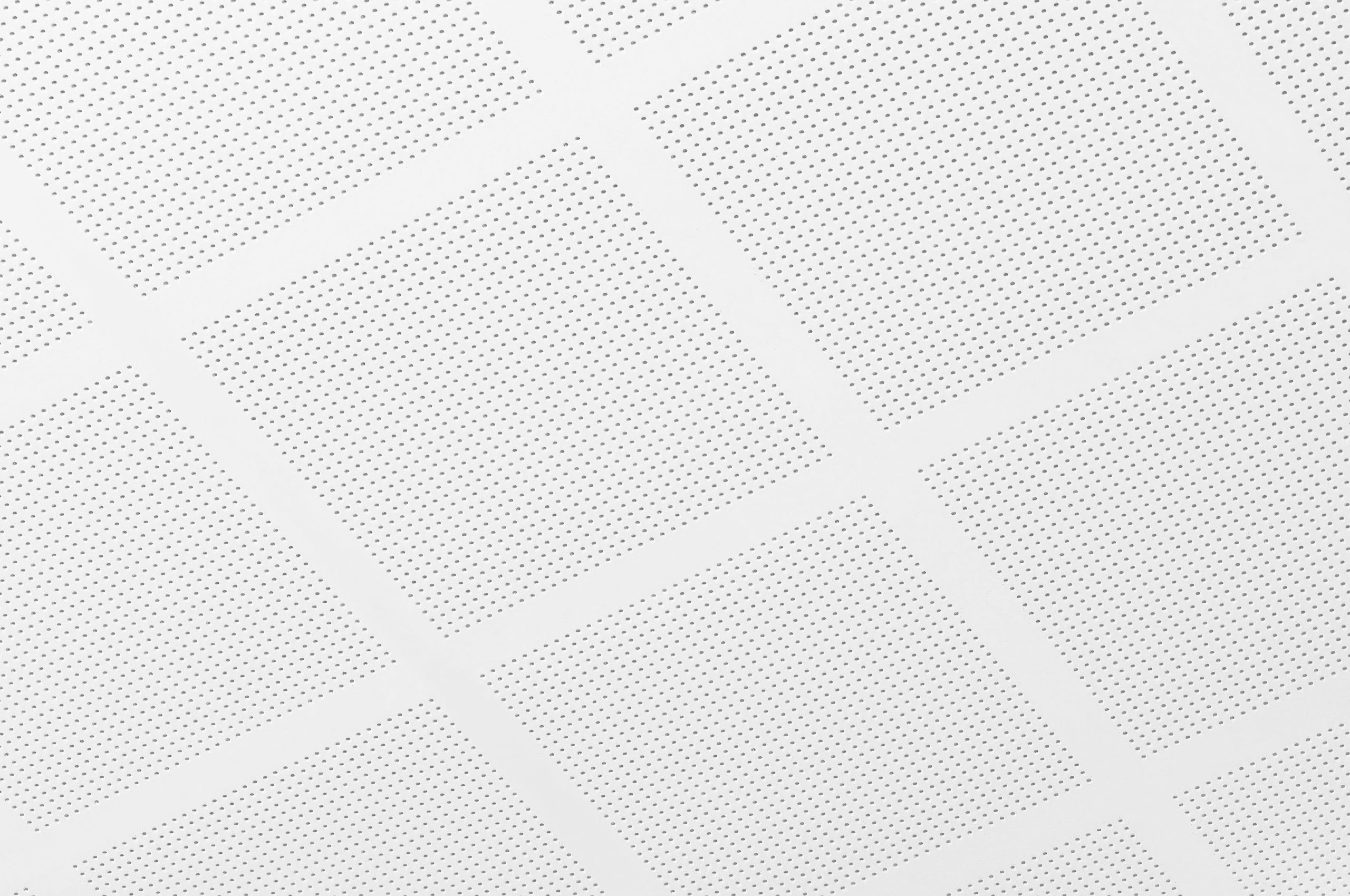
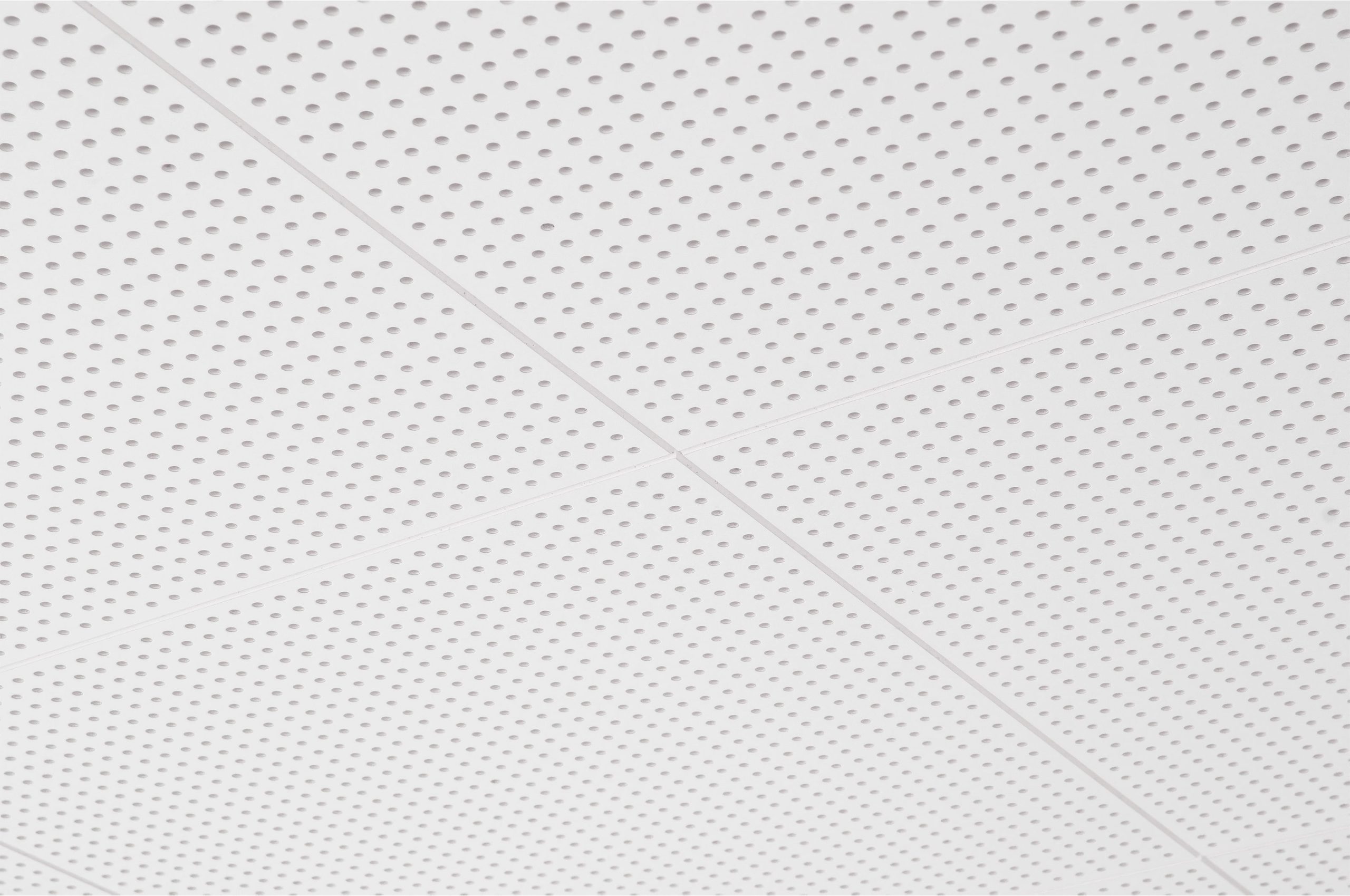
Close-up view of a white perforated ceiling with a grid pattern, showing intersecting lines and evenly spaced small round holes on each ceiling panel.

Perforated E18/18/6

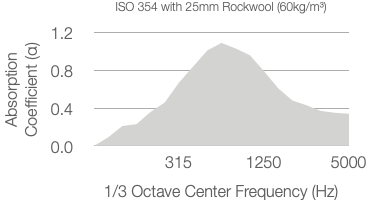
A graph showing absorption coefficient versus frequency for 25mm Rockwool. The absorption increases, peaking near 1250 Hz, then decreases towards 5000 Hz. The highest coefficient is just above 1.2.

Perforated E18/18/6 acoustic panels deliver excellent sound absorption while maintaining airflow, making them perfect for diverse ceiling systems.

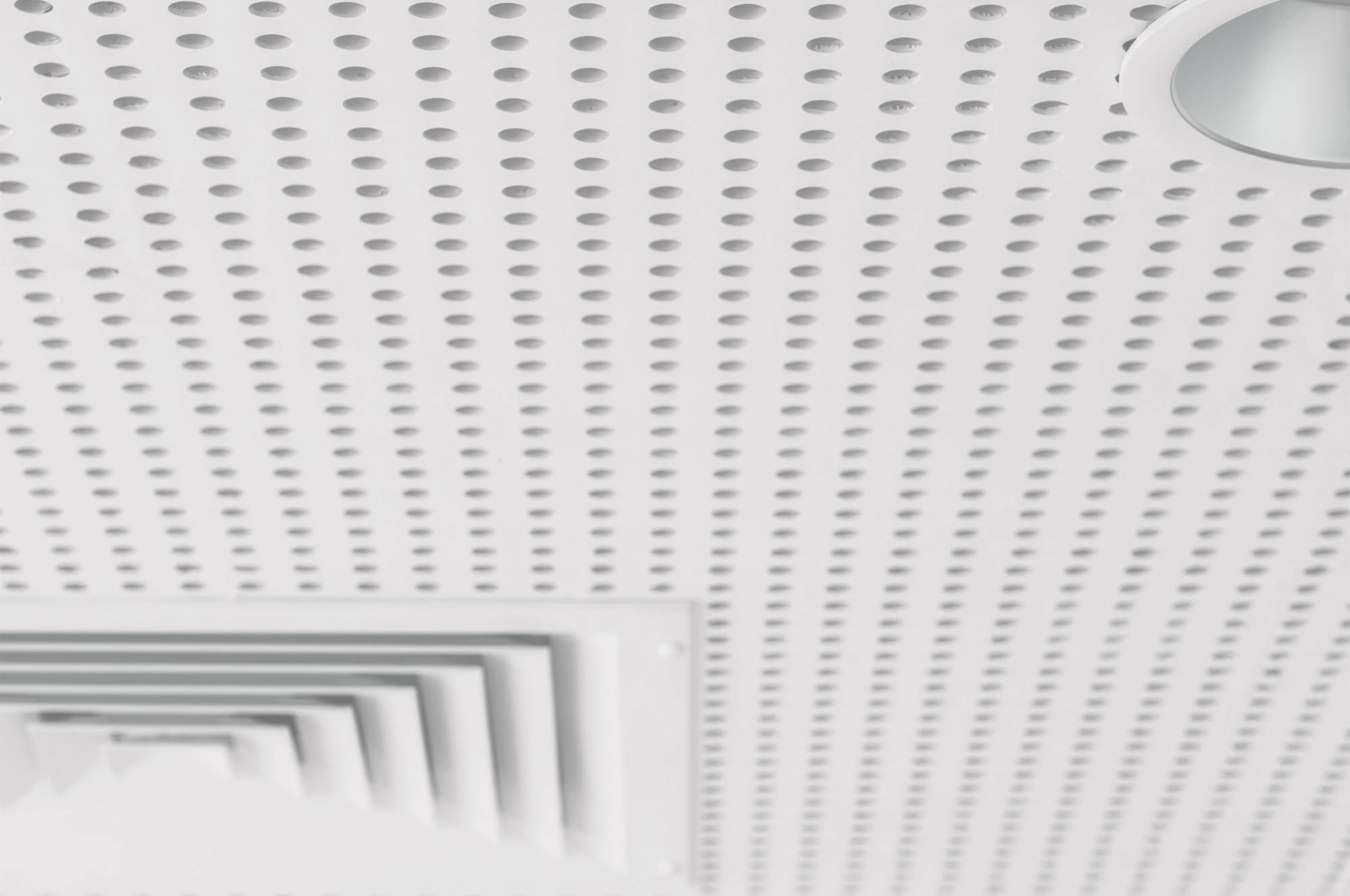
White perforated ceiling with circular holes, a recessed light fixture in the upper right corner, and a square air vent with layered slats in the lower left corner. The overall appearance is clean and minimalistic.

Perforated E18/18/8

A graph showing absorption coefficient versus frequency for 25mm Rockwool. The absorption increases, peaking near 1250 Hz, then decreases towards 5000 Hz. The highest coefficient is just above 1.2.

Perforated E18/18/8 acoustic panels deliver excellent sound absorption while maintaining airflow, making them perfect for diverse ceiling systems.

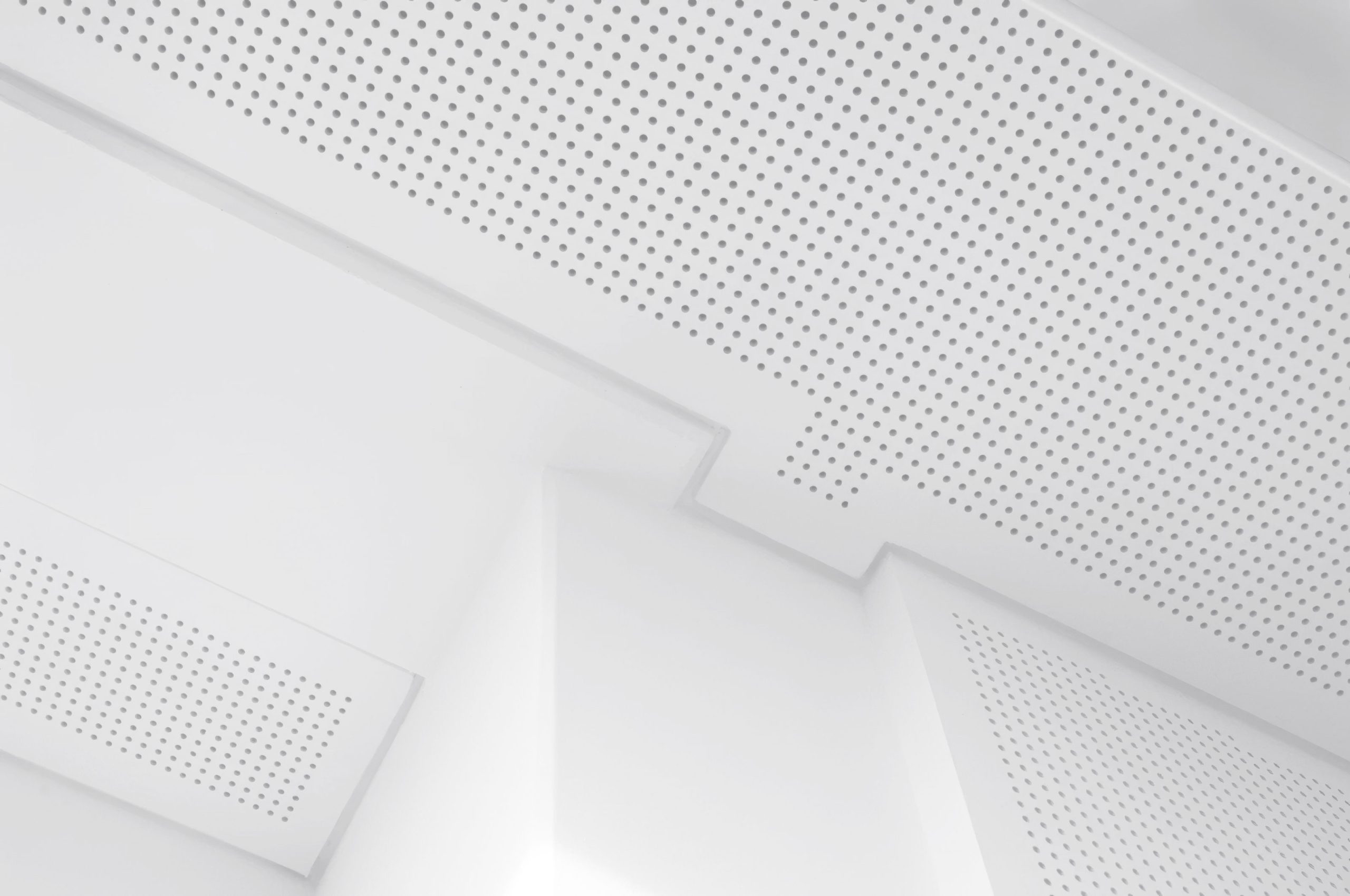
White perforated ceiling panels arranged geometrically, creating a modern, minimalist architectural look with clean lines and soft lighting.

Perforated E25/25/10

A graph showing absorption coefficient versus frequency for 25mm Rockwool. The absorption increases, peaking near 1250 Hz, then decreases towards 5000 Hz. The highest coefficient is just above 1.2.

Perforated E25/25/10 acoustic panels deliver excellent sound absorption while maintaining airflow, making them perfect for diverse ceiling systems.

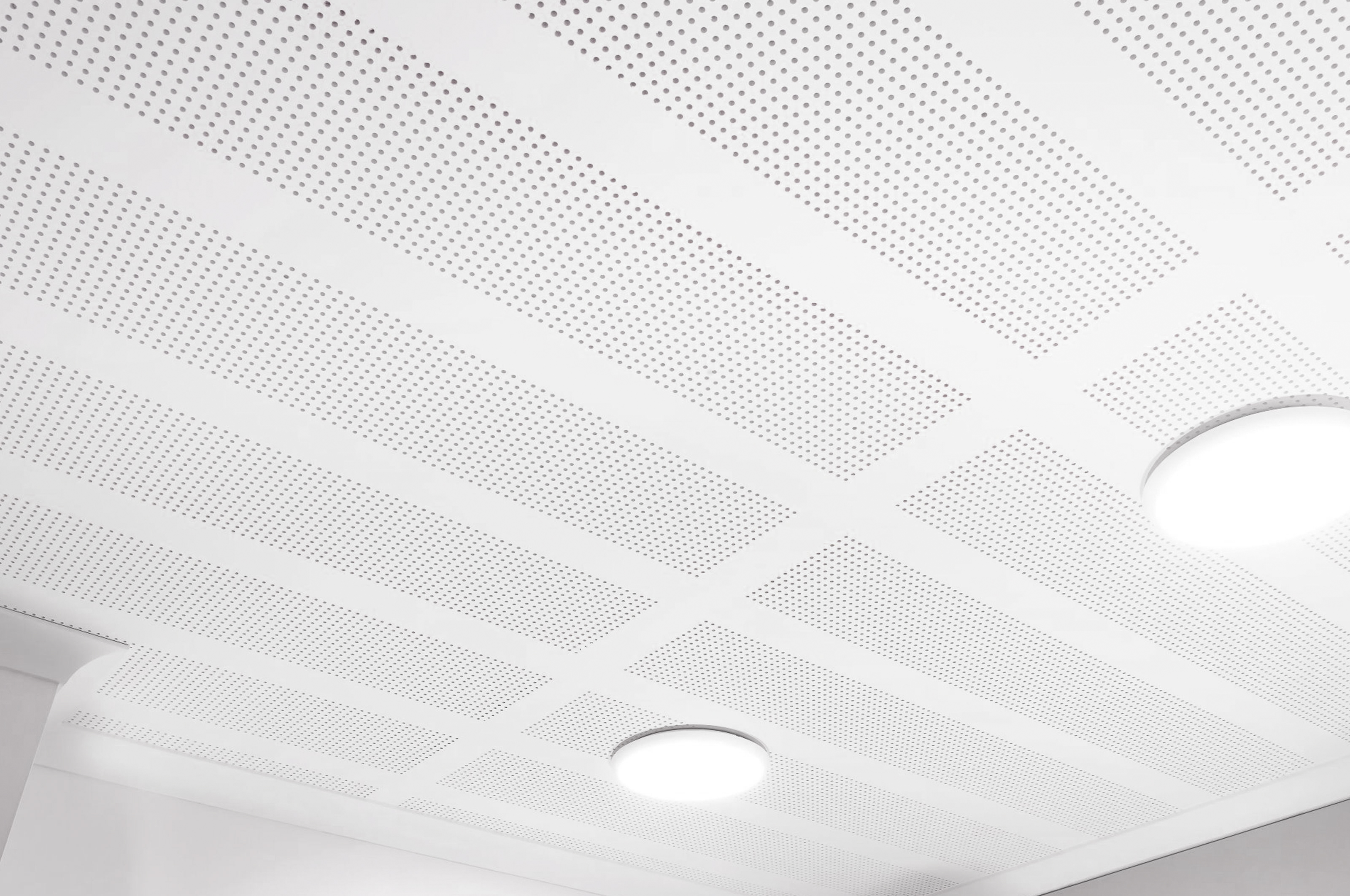
A white, perforated ceiling with a grid pattern and two round, recessed light fixtures glowing softly. The image is bright and minimalistic.

Perforated E25/25/12

A graph showing absorption coefficient versus frequency for 25mm Rockwool. The absorption increases, peaking near 1250 Hz, then decreases towards 5000 Hz. The highest coefficient is just above 1.2.

Perforated E25/25/12 acoustic panels deliver excellent sound absorption while maintaining airflow, making them perfect for diverse ceiling systems.

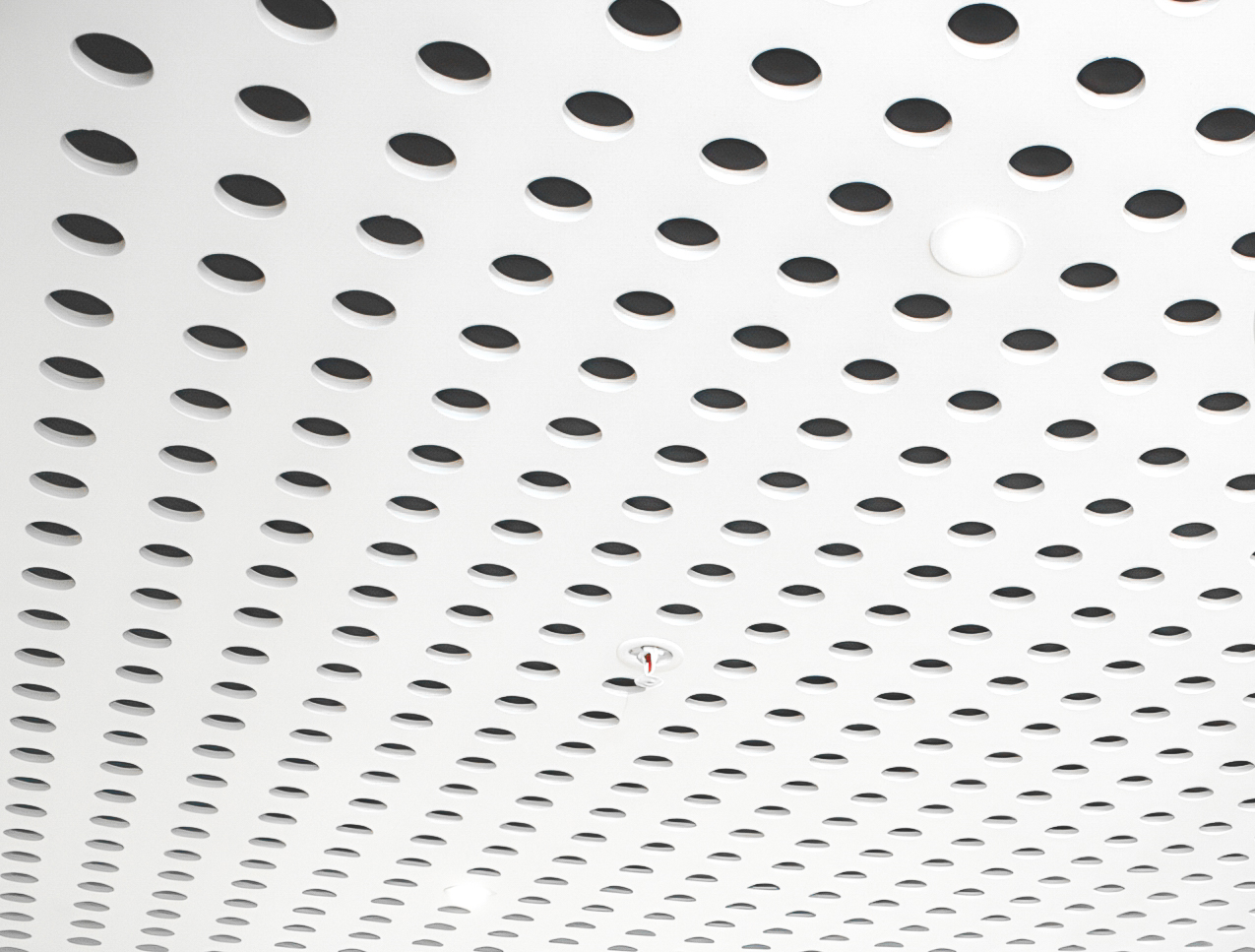
A white ceiling with a grid of evenly spaced circular holes and a small red fire sprinkler in the center.

Perforated E30/30/15

A graph showing absorption coefficient versus frequency for 25mm Rockwool. The absorption increases, peaking near 1250 Hz, then decreases towards 5000 Hz. The highest coefficient is just above 1.2.

Perforated E30/30/15 acoustic panels deliver excellent sound absorption while maintaining airflow, making them perfect for diverse ceiling systems.

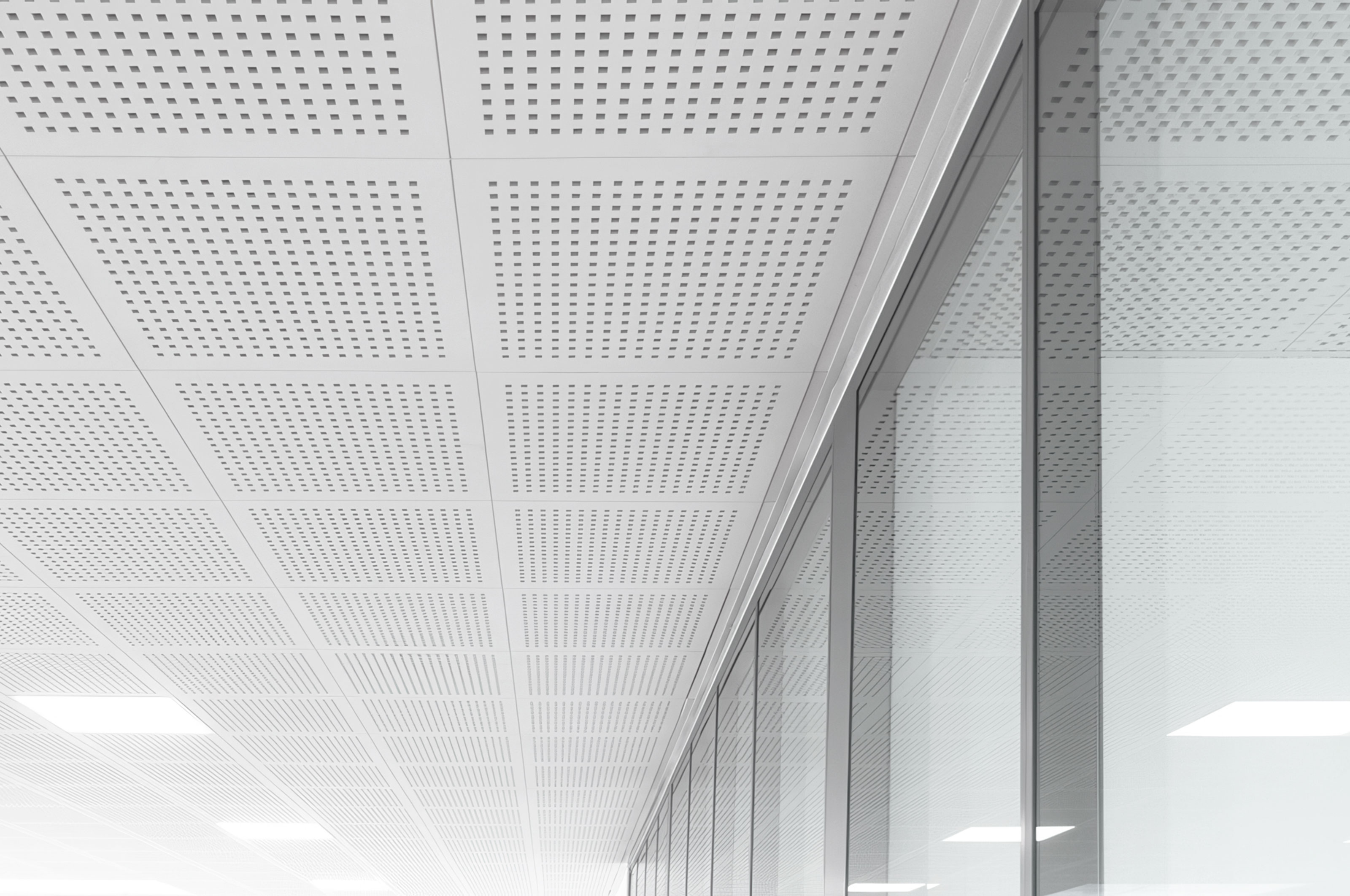
A modern, minimalist ceiling with square perforated panels and bright lighting, reflected in a large glass wall on the right side of the image. The scene is clean, sleek, and mostly white.

Square Perforated E8/8/3

A graph showing absorption coefficient versus frequency for 25mm Rockwool. The absorption increases, peaking near 1250 Hz, then decreases towards 5000 Hz. The highest coefficient is just above 1.2.

Square Perforated E8/8/3 acoustic panels ensure sound absorption and airflow with a sleek, modern appearence for ceiling installations.

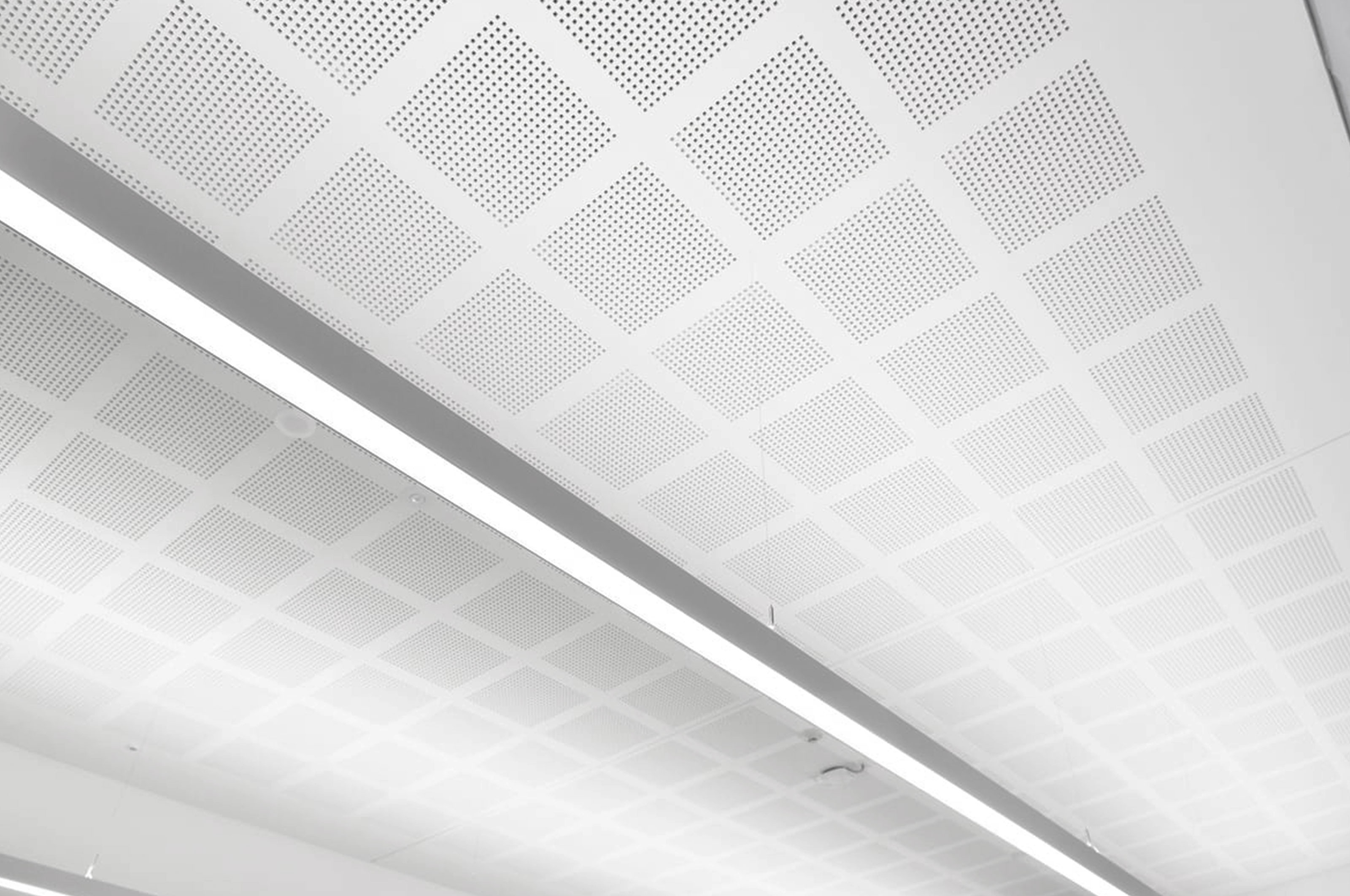
A white ceiling with a geometric pattern of perforated square panels and two long, narrow fluorescent light fixtures running parallel to each other.

Square Perforated E20/20/10

A graph showing absorption coefficient versus frequency for 25mm Rockwool. The absorption increases, peaking near 1250 Hz, then decreases towards 5000 Hz. The highest coefficient is just above 1.2.

Square Perforated E20/20/10 acoustic panels ensure sound absorption and airflow with a sleek, modern appearence for ceiling installations.

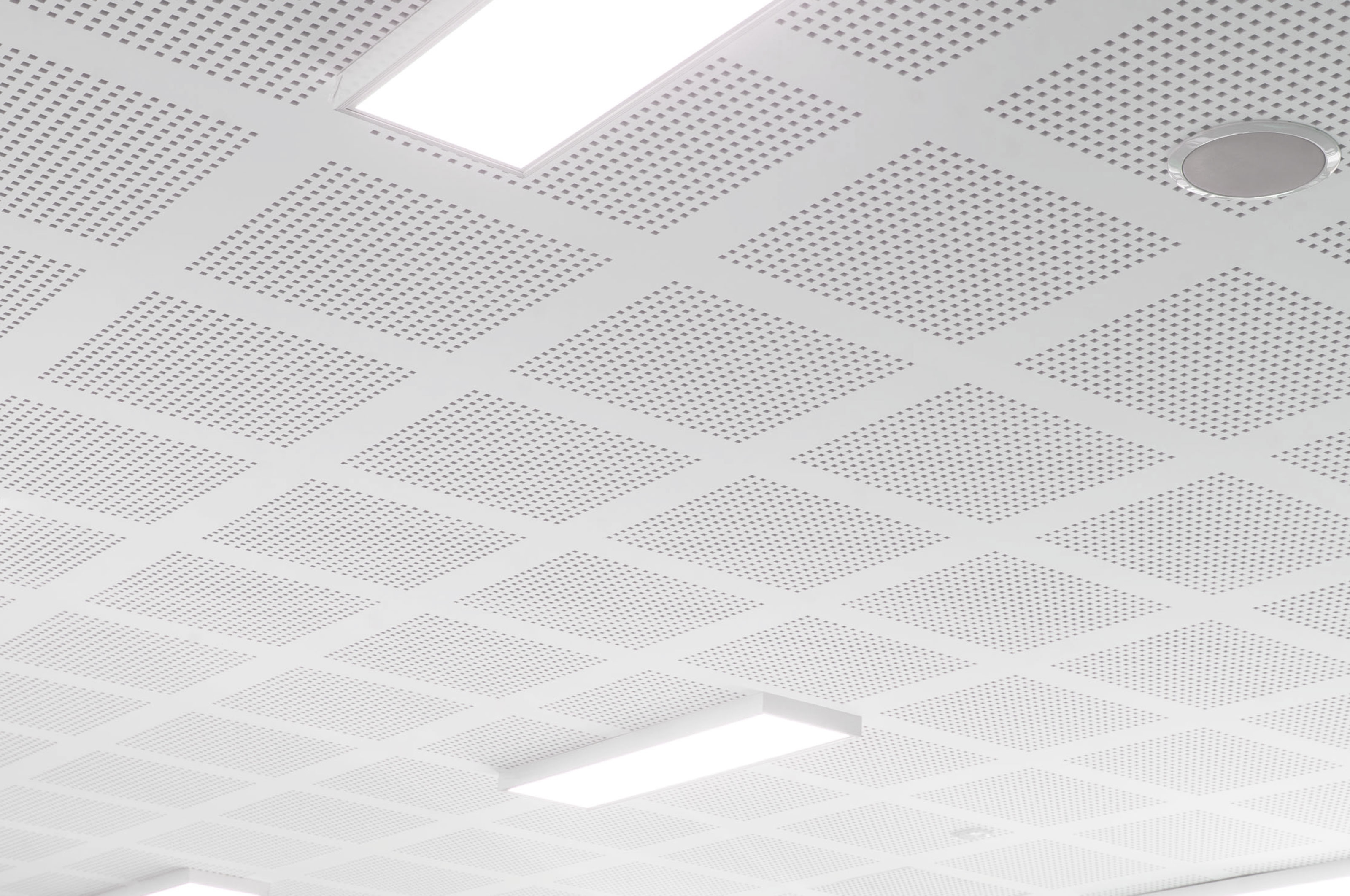
A white ceiling with a grid of perforated square panels, circular speaker, and rectangular fluorescent lights embedded in the surface. The overall appearance is clean and modern.

Square Perforated E25/25/12

A graph showing absorption coefficient versus frequency for 25mm Rockwool. The absorption increases, peaking near 1250 Hz, then decreases towards 5000 Hz. The highest coefficient is just above 1.2.

Square Perforated E25/25/12 acoustic panels ensure sound absorption and airflow with a sleek, modern appearence for ceiling installations.

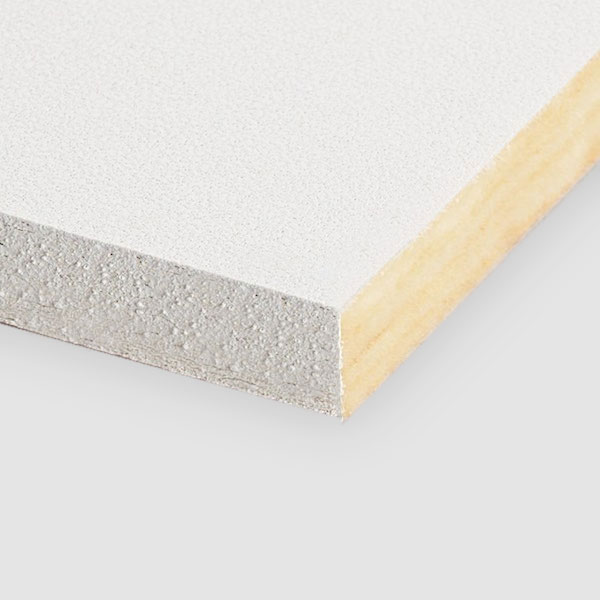
A close-up view of the corner of a white, rectangular sheet of paper on a light gray background.

Wall Panel 25

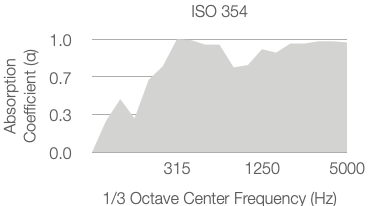
A shaded area graph shows absorption coefficient (α) rising from about 0.2 to nearly 1.0 as the 1/3 octave center frequency increases from 315 Hz to 5000 Hz, based on ISO 354 data.

Acoustic wall panel 25 provide dual-sided sound absorption, reducing noise and echoes, with easy wall-mounted installation, making them ideal for both commercial and residential spaces.

A close-up of the corner of a white, rectangular sheet of paper or cardstock on a plain light background. The surface shows a subtle, textured finish.

Wall Panel 50

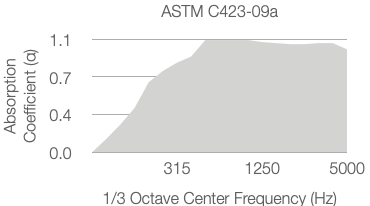
A graph shows absorption coefficient (α) versus 1/3 octave center frequency (Hz), ranging from 0.0 to 1.1 for α and 315 to 5000 Hz; the shaded area rises sharply and plateaus above 1.0 after 1250 Hz.

Acoustic wall panel 50 provide dual-sided sound absorption, reducing noise and echoes, with easy wall-mounted installation, making them ideal for both commercial and residential spaces.

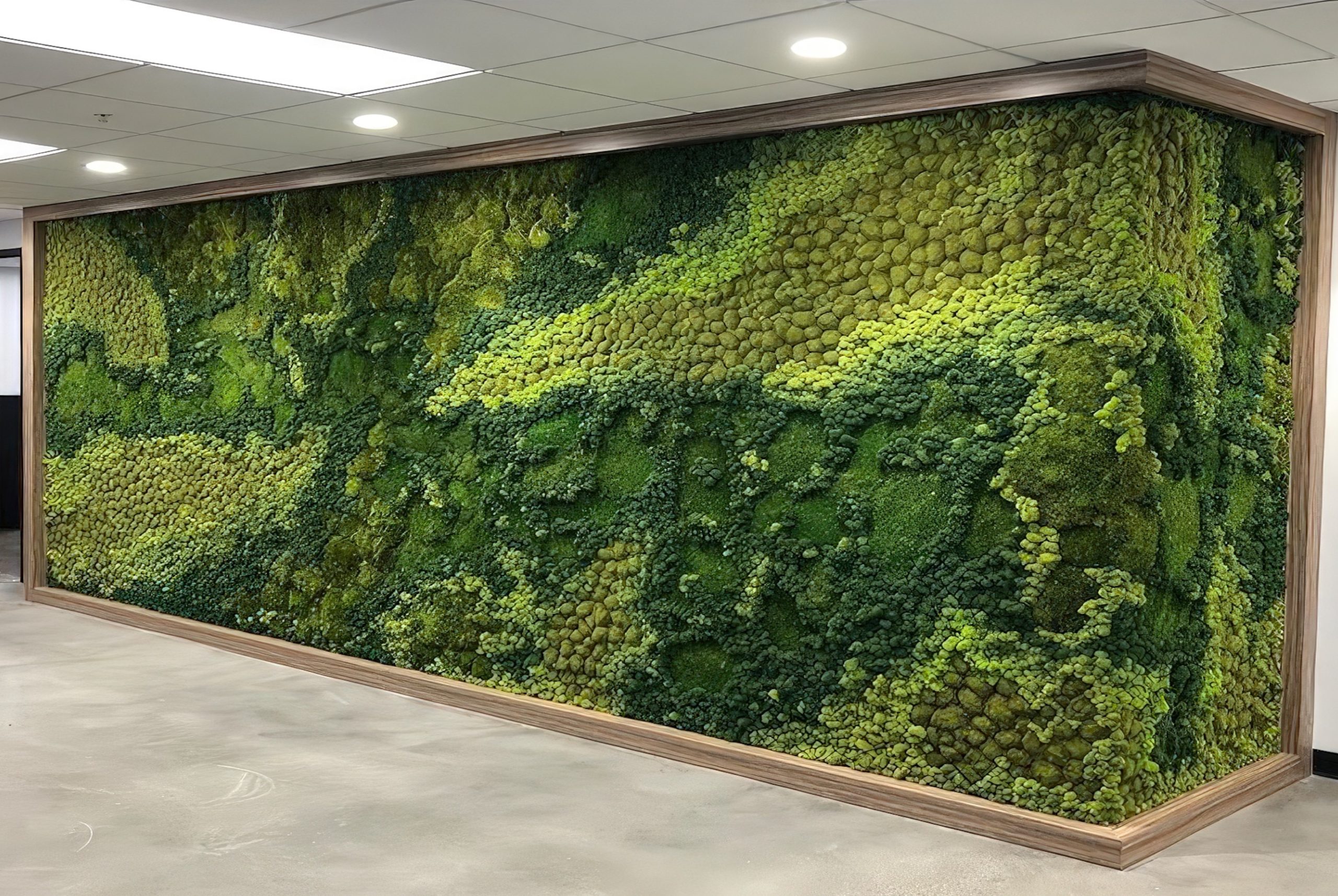
A large indoor wall is covered with lush, textured green moss in various shades and patterns, framed by wood trim. The surrounding area features a smooth, gray floor and white ceiling with recessed lighting.

Moss Wall

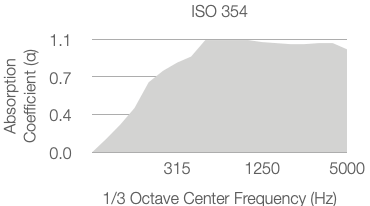
A shaded area graph shows absorption coefficient (α) rising from 0 to about 1.1 as the 1/3 octave center frequency increases from 315 Hz to 5000 Hz, based on ISO 354 standards.

Acoustic moss panels combine sound absorption with sustainability, offering optimal performance and natural aesthetics for diverse environments, with no need for watering, soil, or sunlight.

Project Highlight

Fabric 25 Bevel

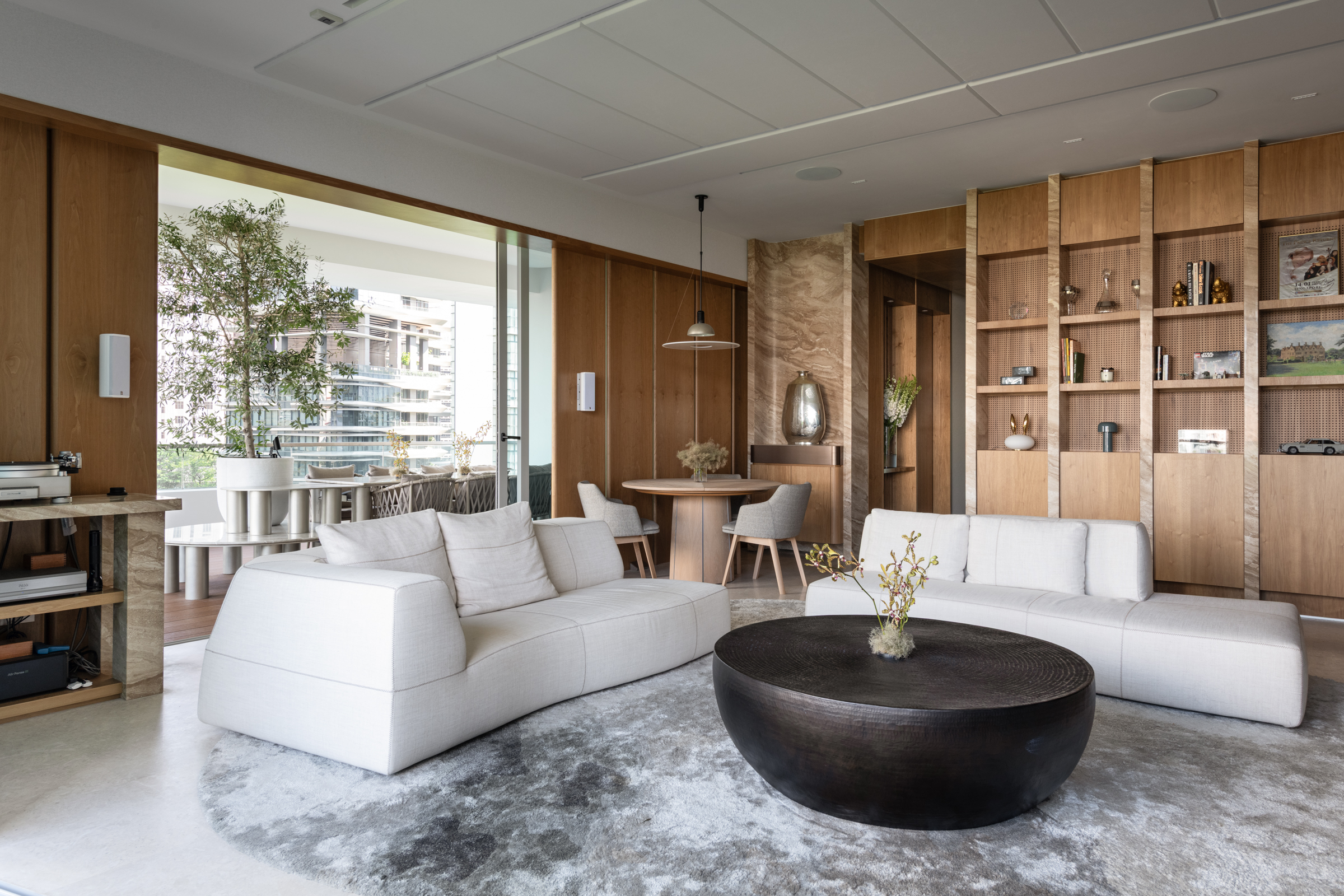
At Grange Infinite, a luxury freehold condominium in District 9 along Grange Road, Aid’s Fabric 25 Bevel ceiling panels were applied as the primary acoustic treatment for effective echo reduction and refined interiors.

Modern living room with light wood paneling, white sectional sofas, a round dark coffee table, and shelves with decor. Large windows and an open dining area create a bright, airy atmosphere.

How Does Aid Acoustics Ceiling Tile Work?

Aid Acoustics ceiling tiles enhance sound absorption using perforated decorative ceiling panels and high-performance mineral ceiling tiles. These systems improve sound control, thermal insulation, and overall comfort in every room. Designed around architectural forms, they elevate office decoration, reduce the risk of mold, and deliver practical benefits for customers. As an innovation-driven company, Aid develops ceiling solutions that balance acoustic performance, durability, and refined interior aesthetics.

Sound Absorption

In rooms with reflective surfaces and high ceilings, sound waves create echo and excessive reverberation that reduce speech clarity. Aid Acoustics ceiling tiles are designed to absorb sound at the source, helping to control noise levels, improve sound quality, and create a more comfortable acoustic space for offices, auditoriums, and commercial spaces.

Designed for Architects

Effective acoustics should blend seamlessly with interior design. Aid Acoustics ceiling tiles are available in a wide range of architectural forms, finishes, and panel styles to suit modern office decoration and public spaces. These decorative ceiling panels integrate sound control without disrupting the visual identity of the room.

Warranty Guaranteed

High-use environments require ceiling systems that last. Aid Acoustics ceiling tiles are engineered with durable, fire-resistant, and eco-conscious materials to deliver consistent acoustic performance. Backed by warranty protection, they provide lasting reliability, thermal insulation benefits, and peace of mind for customers.
Frequently Asked Questions

Aid Acoustics ceiling tiles are designed to improve sound absorption, reduce echo, and enhance speech clarity in offices, classrooms, auditoriums, and commercial interiors. They also provide thermal insulation and fire-resistant performance.
Mineral ceiling tiles offer strong sound absorption and durability for large ceiling grids, while fabric panels provide flexible acoustic treatment for walls and feature ceilings with greater design variety and visual softness.

Perforated gypsum ceiling systems control sound by allowing sound waves to pass through perforations into acoustic backing, reducing reverberation while maintaining a clean, seamless ceiling appearance.
Yes, Aid Acoustics ceiling tiles, mineral panels, perforated gypsum ceilings, and fabric panels are widely used in offices, retail spaces, hospitality, education, and public buildings to manage noise and improve sound quality.
Yes, Aid Acoustics offers customizable ceiling tiles and fabric panels in different sizes, finishes, perforation patterns, and acoustic ratings to match both architectural design and sound performance requirements.

Keep up with our latest development?

This website uses cookies to ensure you get the best experience.