Alüm

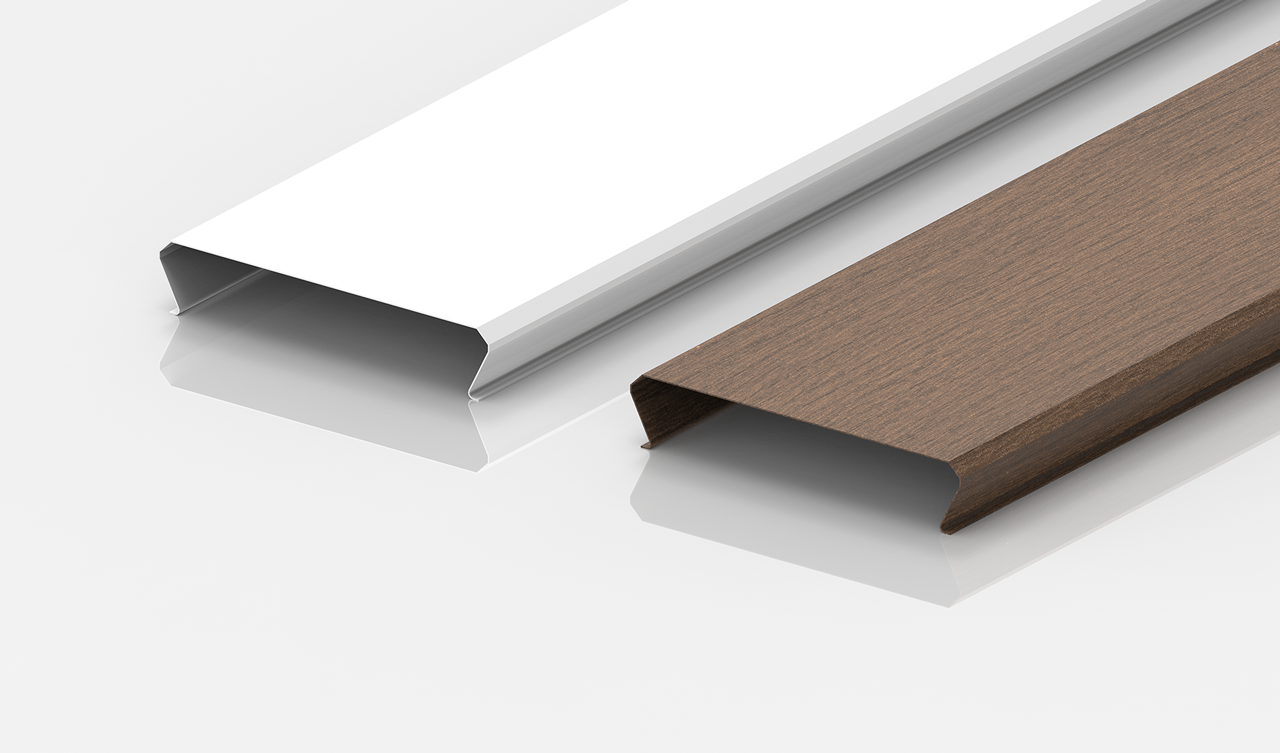
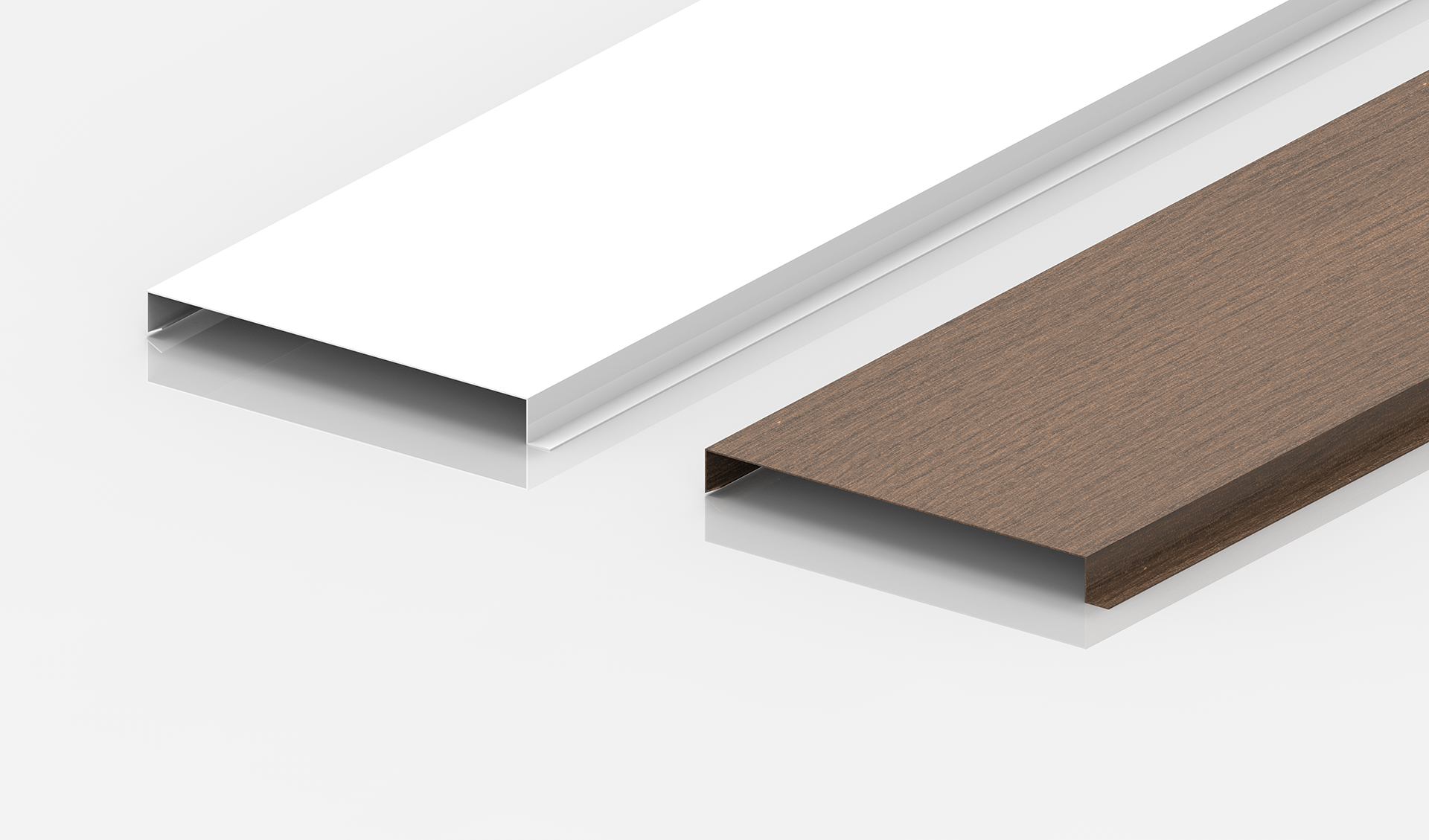
Alüm Aluminium Ceiling System is a type of ceiling tile construction made primarily from aluminium materials. The system typically consists of aluminium panels or tiles that are suspended from a metal grid framework, creating a suspended or dropped ceiling. It is designed to provide a functional and aesthetic ceiling solution for various spaces.

A stylish clothing store interior with wood-paneled ceiling, spotlights, framed black-and-white photos on the walls, shelves with folded clothes, mannequins, and a sign that reads Ralph’s above a doorway.

Products

Hook-On

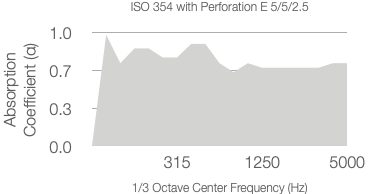
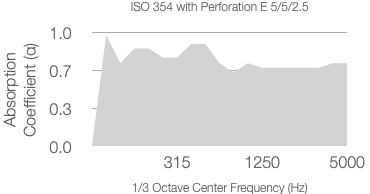
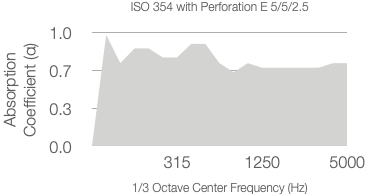
A graph showing absorption coefficient (α) vs. 1/3 octave center frequency (Hz) from 315 to 5000 Hz, with values mostly between 0.6 and 0.8. The graph is labeled ISO 354 with Perforation E 5/5/2.5.

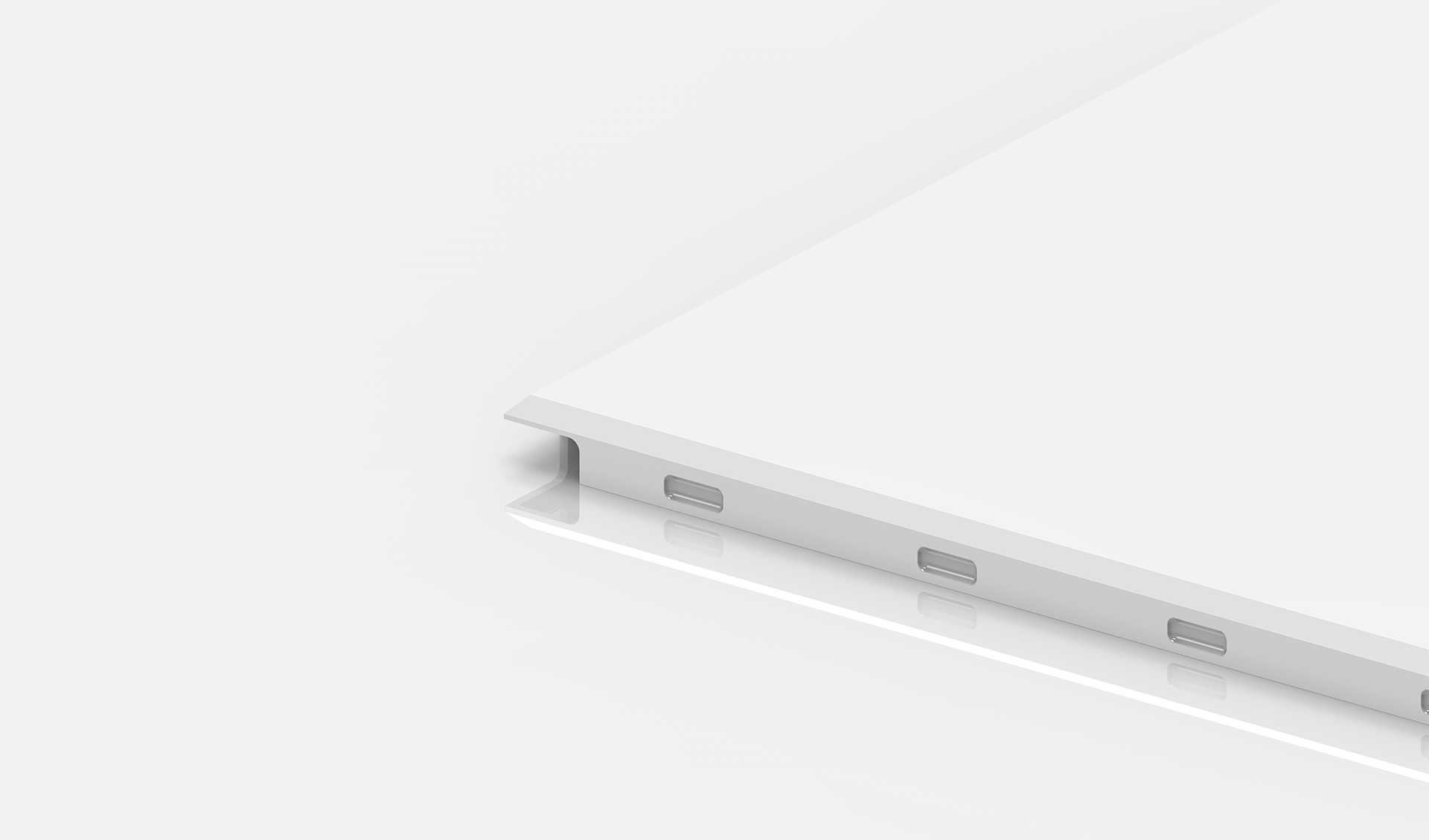
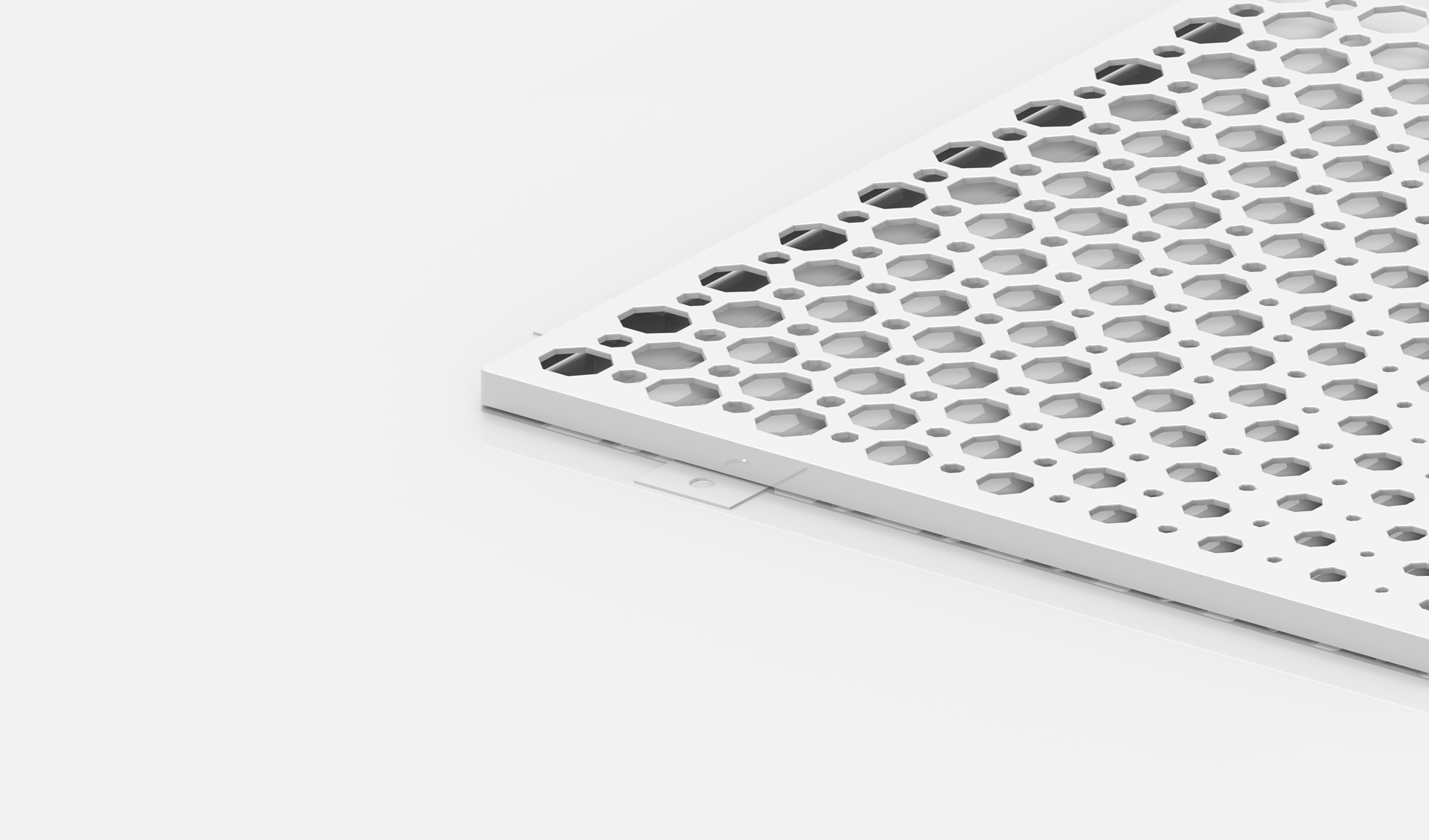
The Hook-On ceiling system offers impact-resistant panels with concealed suspension and various perforation patterns for functional appeal.

Clip-In

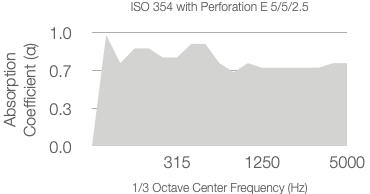
Graph showing absorption coefficient (α) on the y-axis, ranging from 0 to 1, versus 1/3 octave center frequency (Hz) on the x-axis, ranging from 315 to 5000. The shaded area represents consistent absorption.

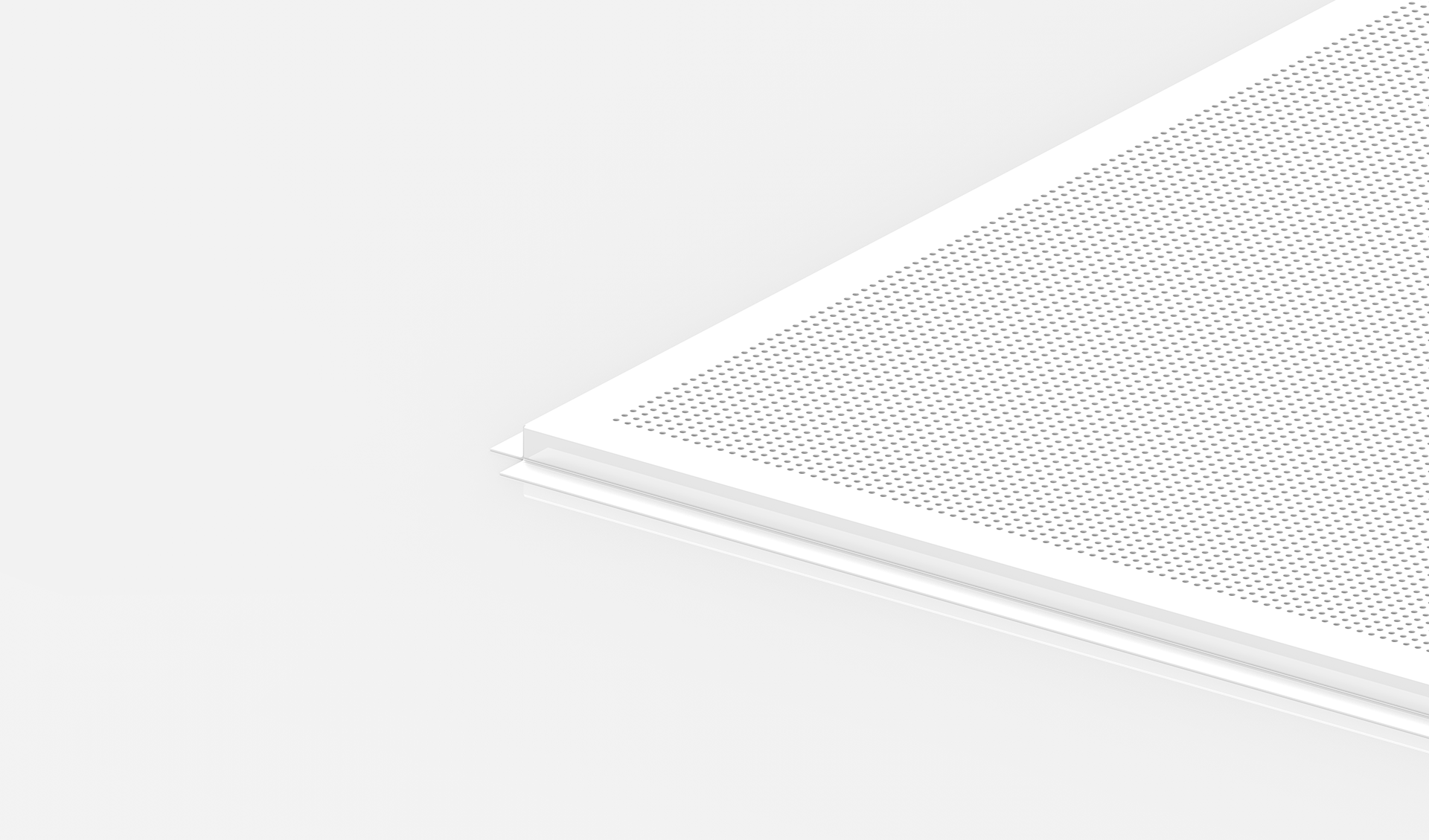
The Clip-In ceiling system features a concealed suspension, easy dismounting for maintenance, and customizable perforation patterns for versatile design.

Lay-In

Graph showing absorption coefficient (α) on the y-axis, ranging from 0 to 1, versus 1/3 octave center frequency (Hz) on the x-axis, ranging from 315 to 5000. The shaded area represents consistent absorption.

The Lay-In ceiling system features an exposed T-grid suspension for easy installation, with customizable perforation patterns for diverse visual effects.

Lay-On

A graph shows absorption coefficient (α) on the y-axis and 1/3 octave center frequency (Hz) on the x-axis, ranging from 315 to 5000 Hz. The shaded area indicates values mostly between 0.7 and 1.0.

The Lay-On ceiling system uses an exposed T-grid suspension for easy installation and unmounting, with multiple perforation patterns for various practical and visual effects.

Mesh

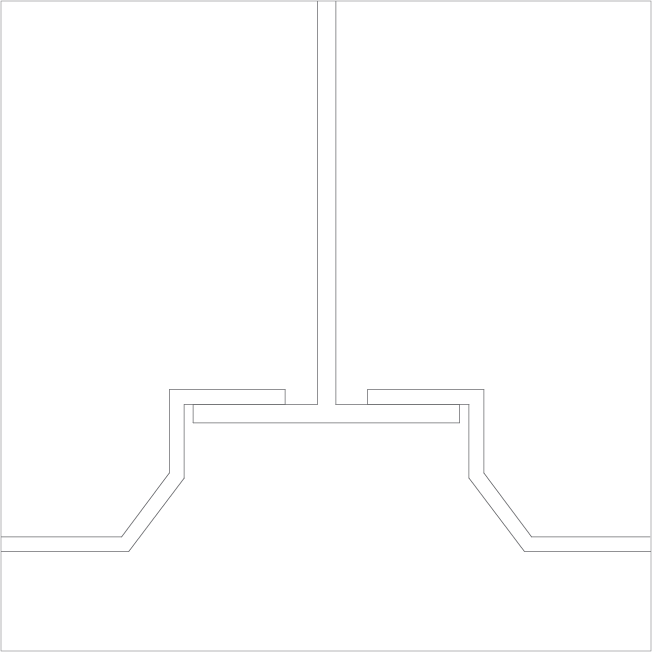
A simple, symmetrical line drawing features a central vertical line that splits near the bottom into angular horizontal lines, creating a geometric, open-ended shape resembling a stylized gateway or abstract structure.

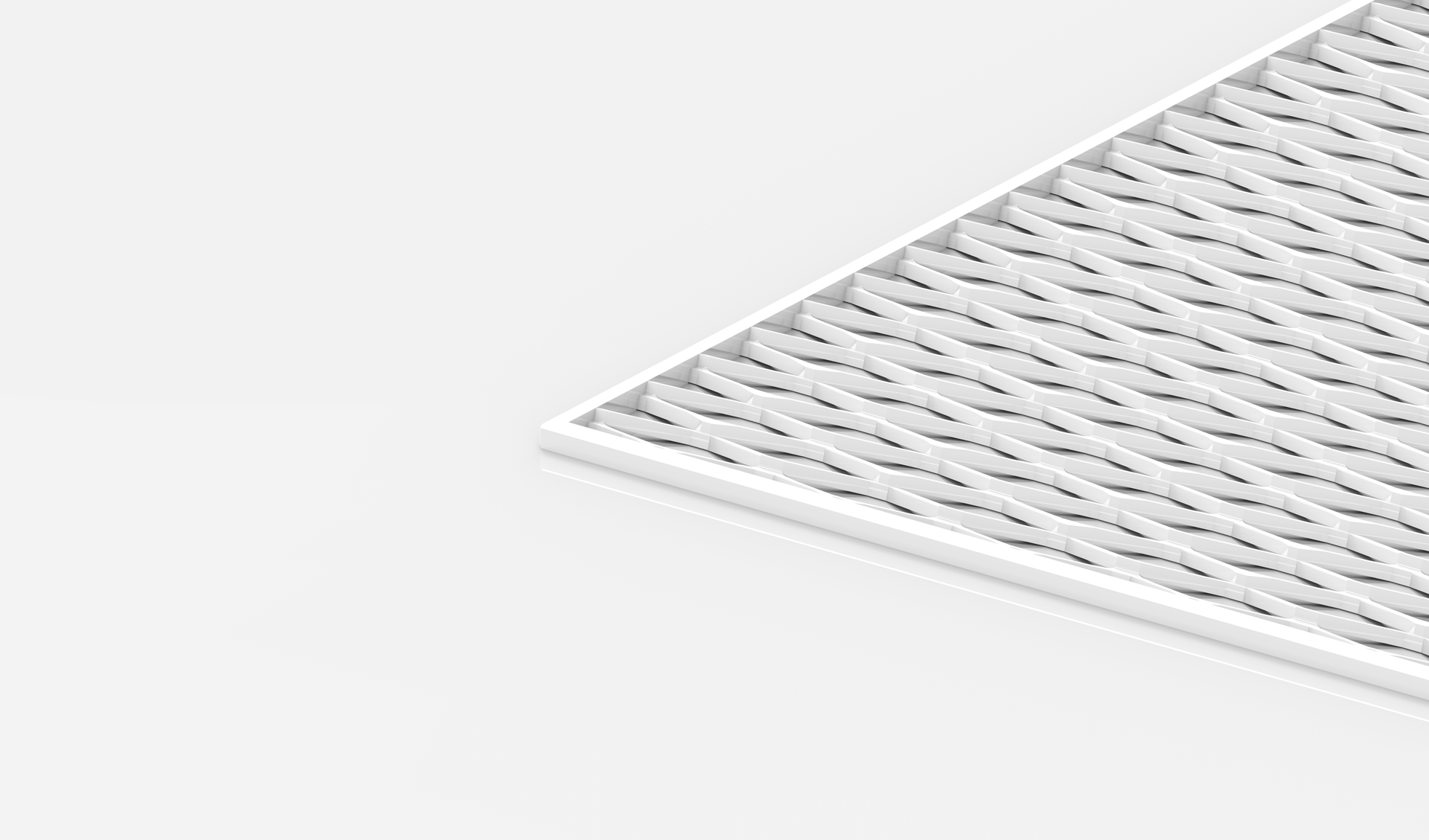
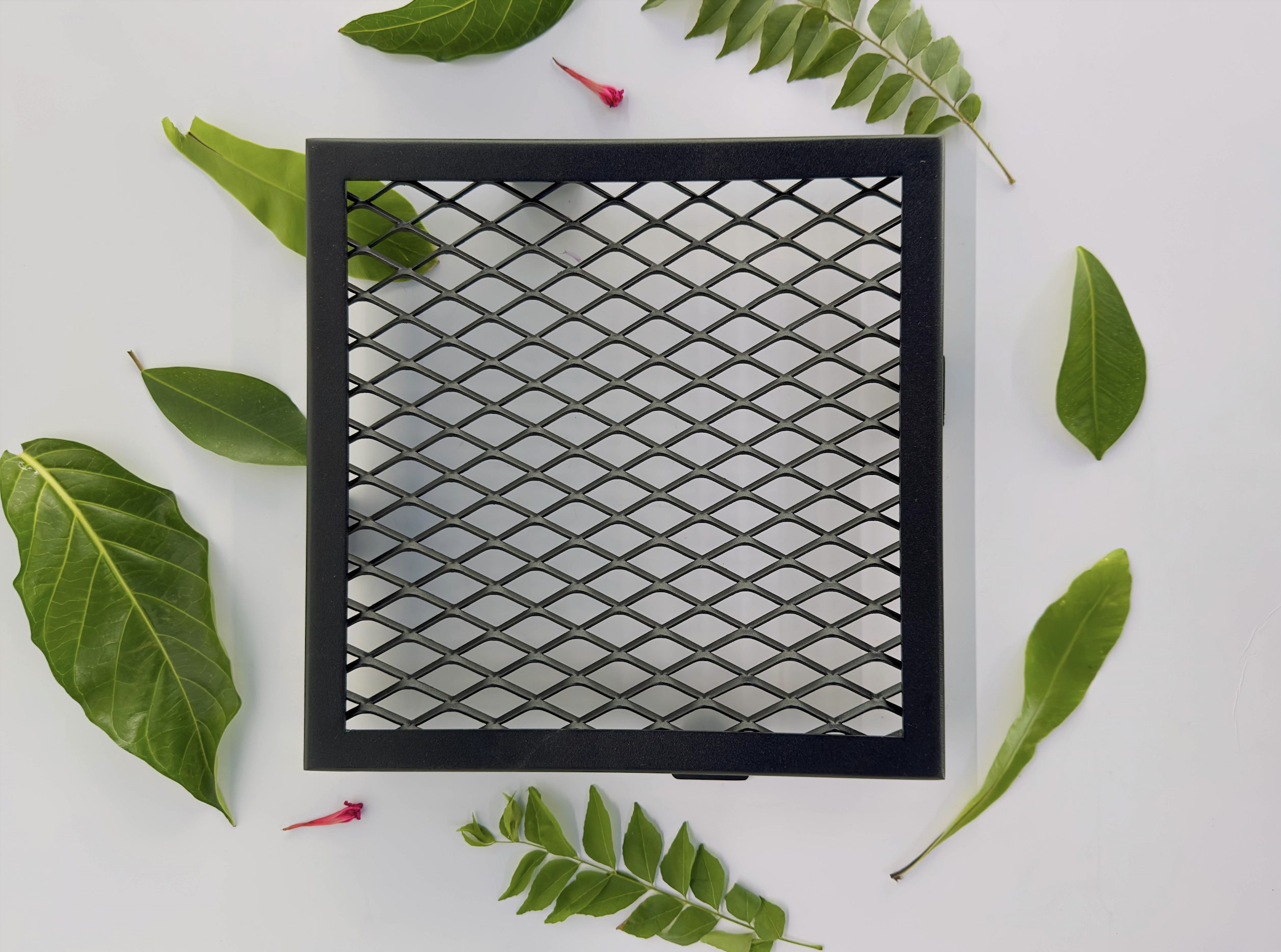
The Mesh ceiling system features an exposed T-grid suspension with interwoven or perforated aluminum panels that allows for optimal airflow and easy installation.

C Linear

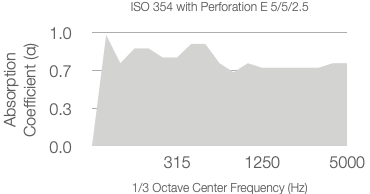
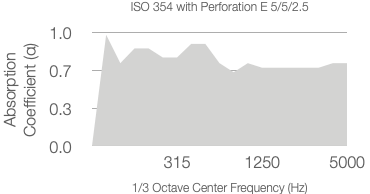
A gray area graph shows absorption coefficient (α) versus 1/3 octave center frequency (Hz), ranging from 0.0 to 1.0 on the y-axis and 315 to 5000 Hz on the x-axis, with values mostly between 0.6 and 0.8.

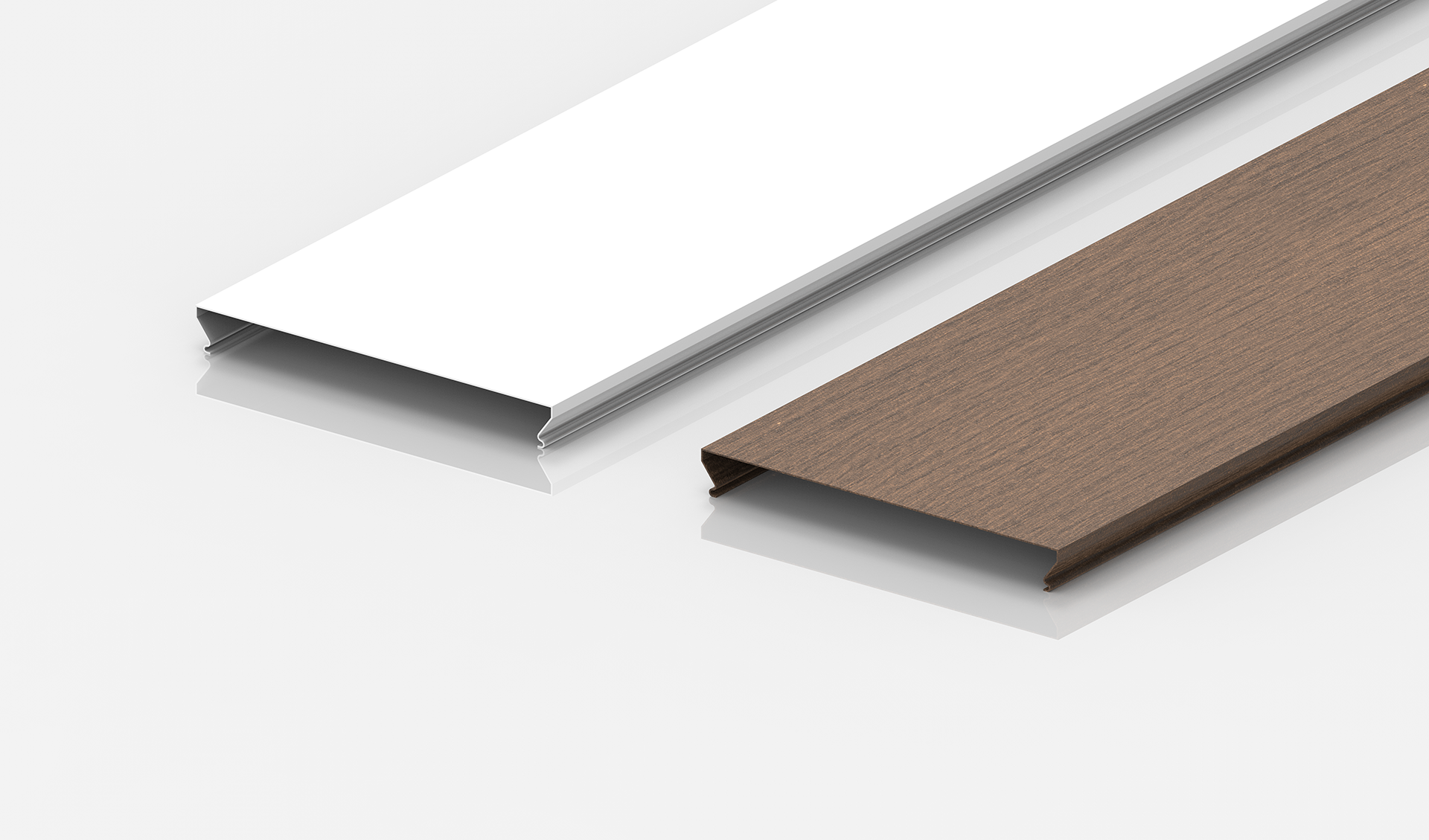
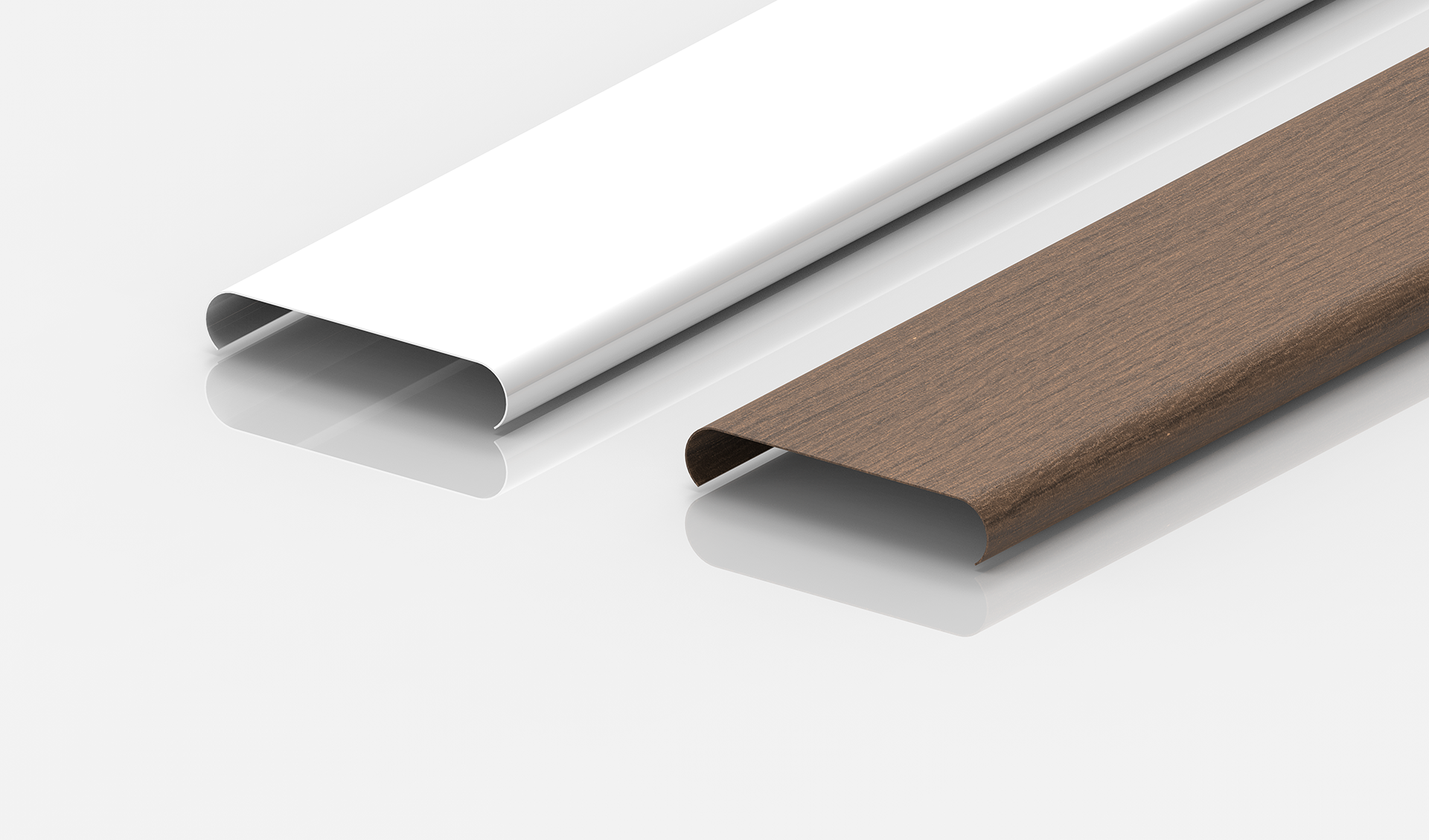
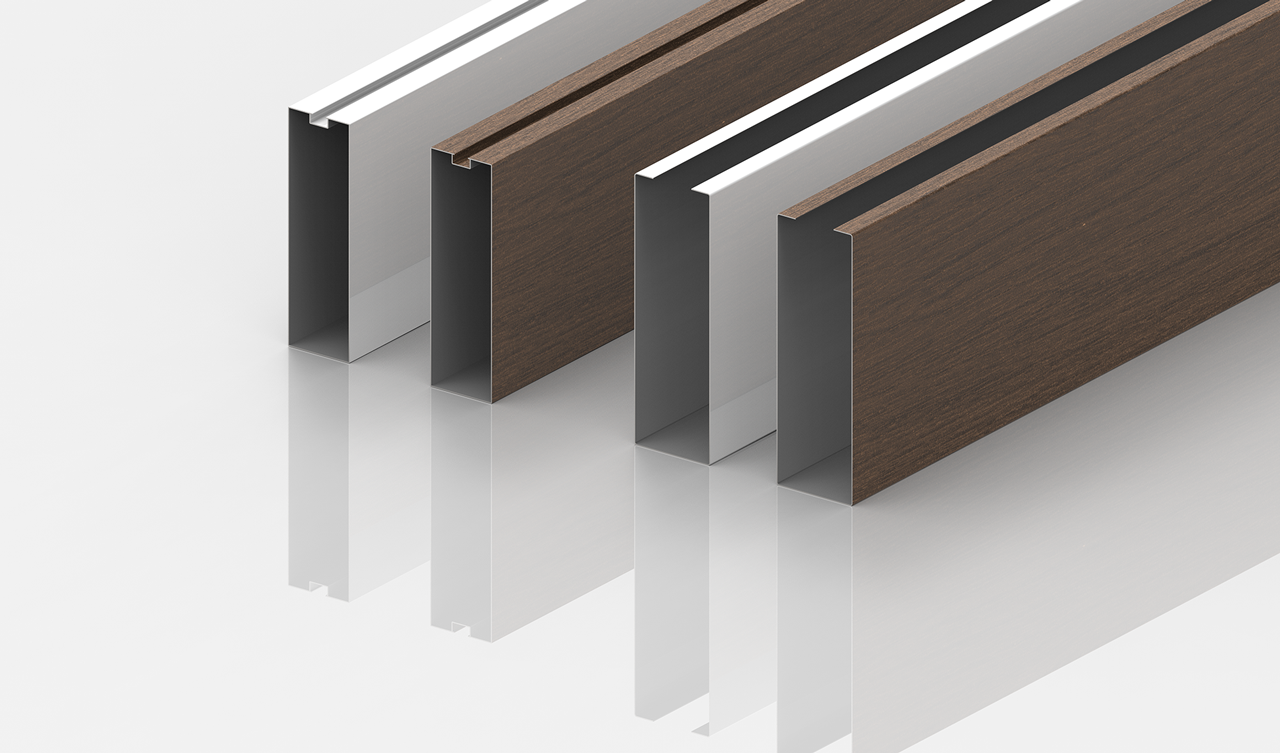
The C Linear ceiling system features a concealed C carrier with customizable lengths up to 3000mm, marrying sleek design with versatile configurations and easy installation.

S Linear

A graph shows absorption coefficient (α) on the y-axis (0 to 1.0) versus 1/3 octave center frequency (Hz) on the x-axis (315 to 5000 Hz). Data is shown as a shaded area, mostly between 0.7 and 0.8.

The S Linear ceiling system features a concealed S carrier with customizable lengths up to 3000mm, offering windproof options for various applications.

H Linear

A gray area graph shows absorption coefficient values between 0.6 and 0.8 across octave center frequencies from 315 Hz to 5000 Hz. The y-axis is labeled Absorption Coefficient (α).

The H Linear ceiling system, supported by compressed H carriers and customizable perforation patterns for enhanced creative flexibility.

U Linear

A line graph shows absorption coefficient (α) versus frequency (Hz) with values around 0.7–0.8 from 315 to 5000 Hz. The title reads ISO 354 with Perforation E 5/5/2.5.

The U Linear ceiling system offers both concealed and open suspensions, with open and close configurations, providing modern designs and customization options.

Baffle 501

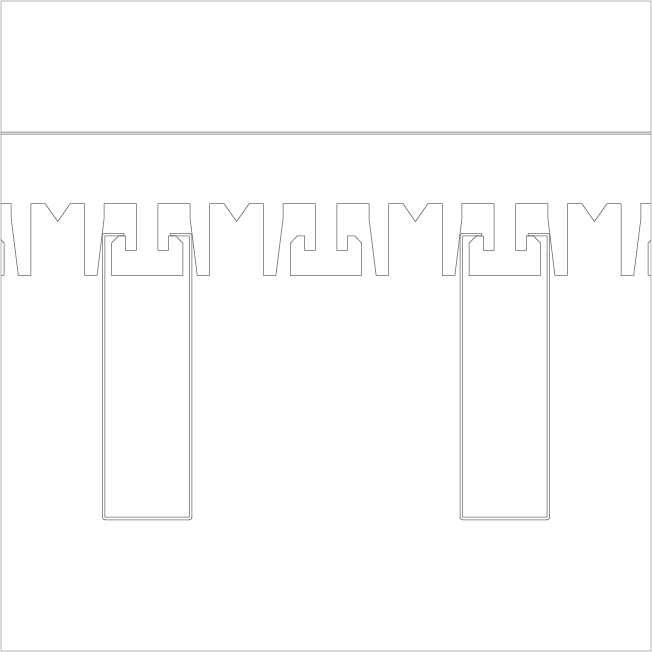
A technical line drawing showing a series of interlocking dovetail joints along a horizontal edge, with two rectangular tabs hanging vertically beneath the jointed section.

The Baffle ceiling system uses an open suspension with size customization, offering enhanced lighting for acoustically optimized environments.

Baffle 502

Black and white technical drawing showing two vertical rectangular columns supporting a horizontal beam, with detailed connections at the top of each column.

The Baffle ceiling system uses an open suspension with size customization, offering enhanced lighting for acoustically optimized environments.

Perforated Baffle

A shaded area chart shows absorption coefficient values between 0.6 and 0.8 across octave center frequencies from 315 Hz to 5000 Hz, labeled ISO 354 with Perforation E 5/5/2.5.

The Perforated Baffle ceiling system features acoustic baffles with surface perforations and internal insulation, offering customization and flexible lighting options.

Open Cell

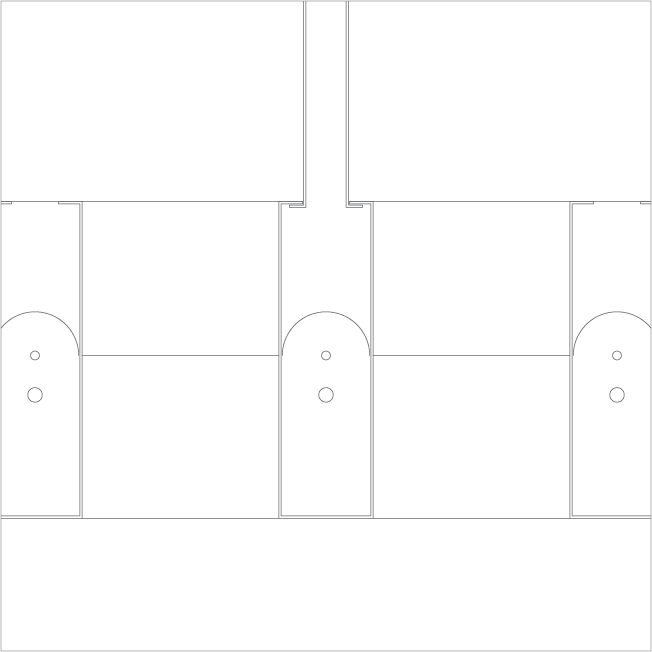
A simple, symmetrical floor plan layout with two central curved doorways, rectangular rooms, and straight dividing walls, shown in thin gray lines on a white background.

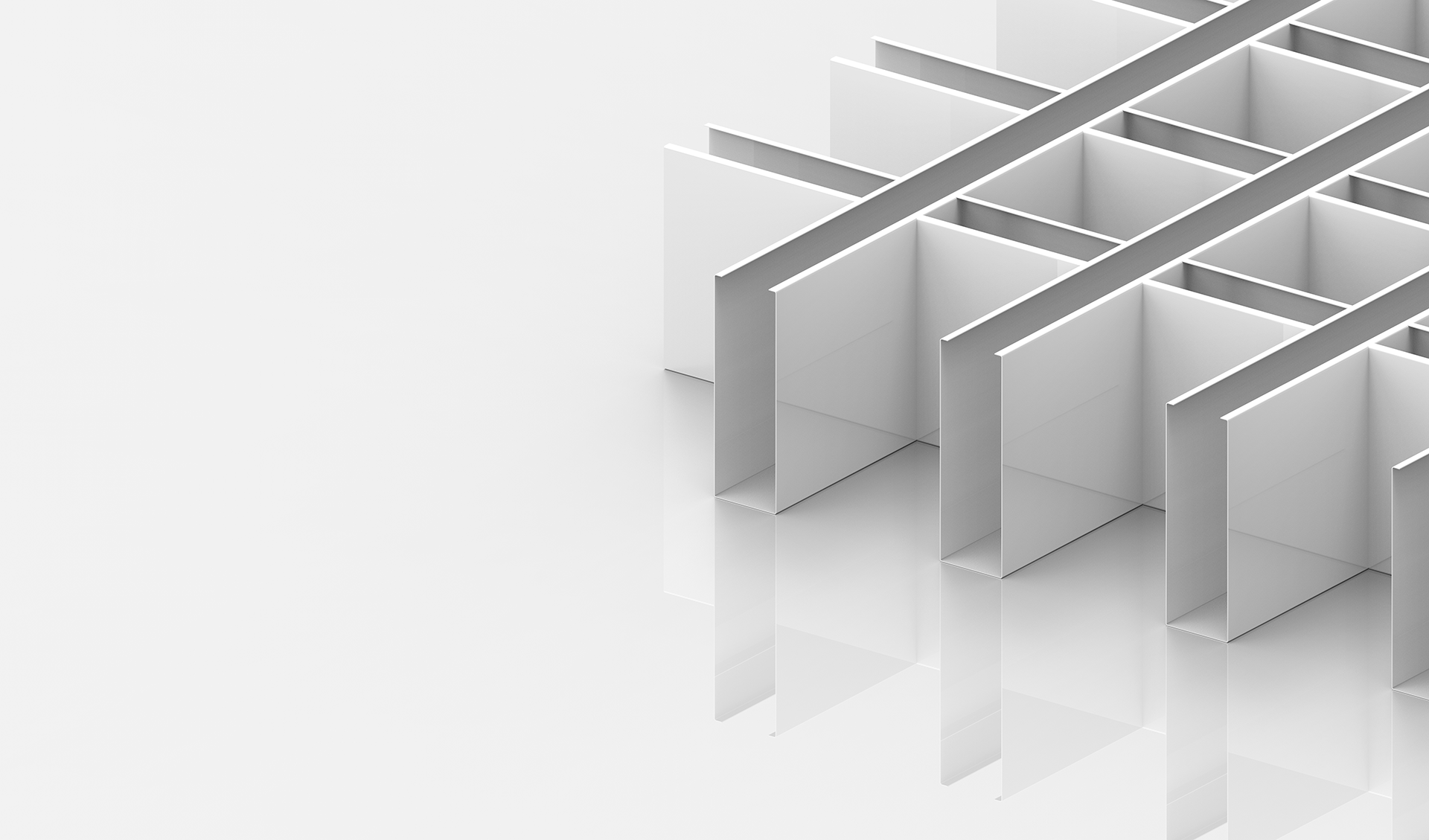
The Open Cell ceiling system uses a grid-like structure with perforated aluminum panels, offering customization for light and airflow, providing design versatility.

Tube

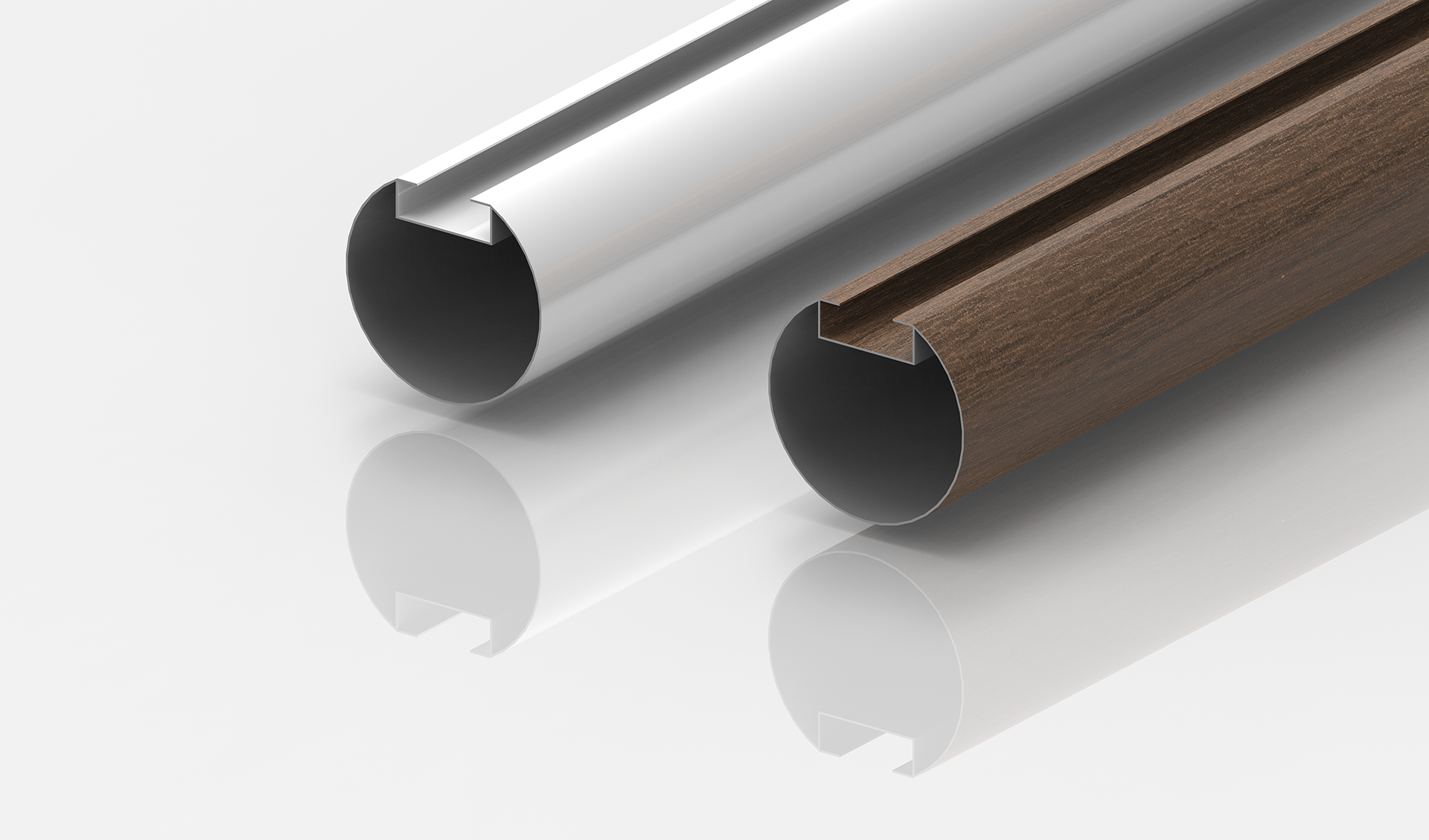
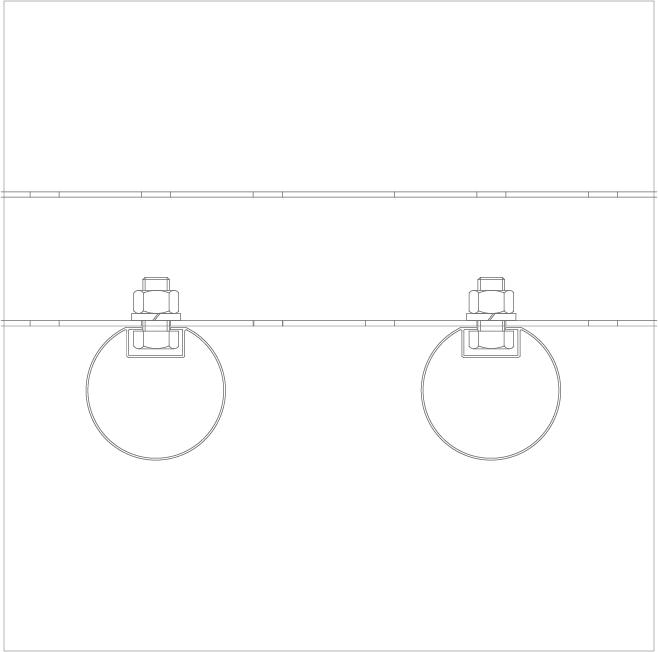
A technical line drawing showing two binder rings attached to a horizontal spine, resembling the rings of a standard binder viewed from above. The background is plain and minimalistic.

The Tube ceiling system uses cylindrical aluminum tubes suspended from the ceiling, allowing flexible installations for modern design and easy maintenance.

Screen 701

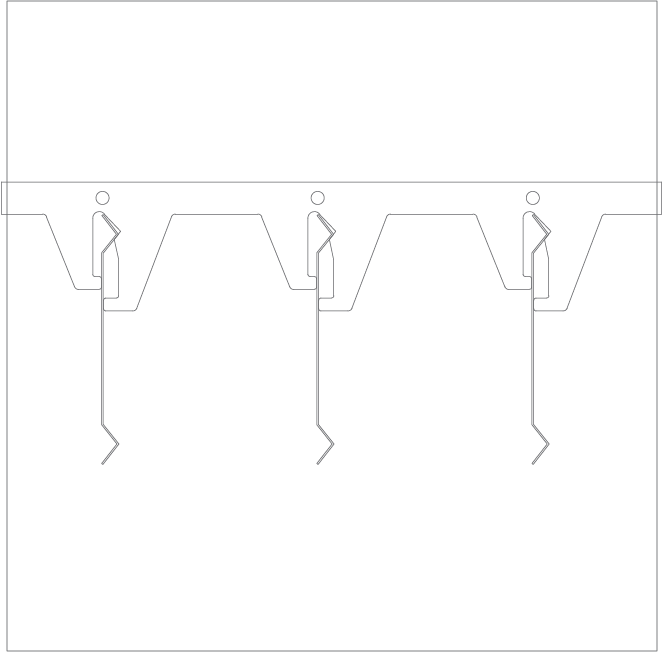
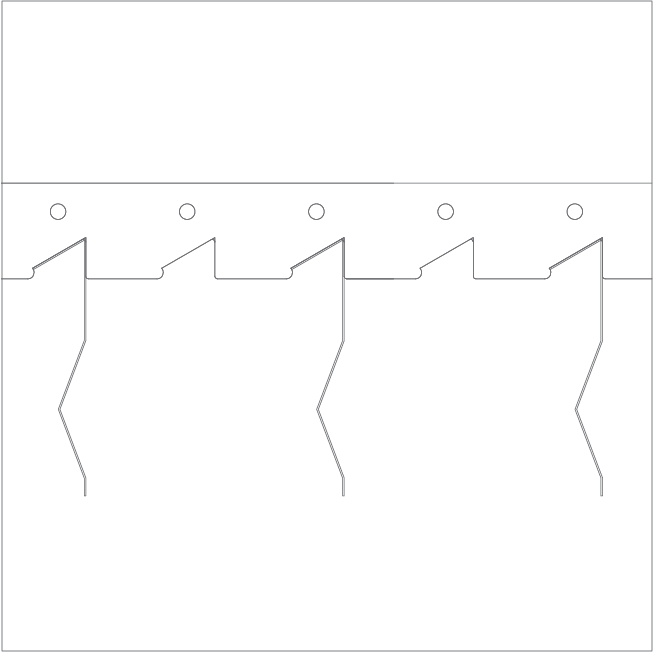
A technical line drawing shows three identical notched and hooked vertical metal components attached to a horizontal base, arranged in a row against a plain background.

The Screen ceiling system uses customizable panels in an open suspension, offering flexibility and elegance that plays with light and shadow to create a captivating focal point.

Screen 702

A line drawing showing three side-by-side geometric shapes with zigzag edges, aligned below a rectangular strip that has five evenly spaced circular holes near its lower edge. The background is plain white.

The Screen ceiling system uses customizable panels in an open suspension, offering flexibility and elegance that plays with light and shadow to create a captivating focal point.

Screen 703

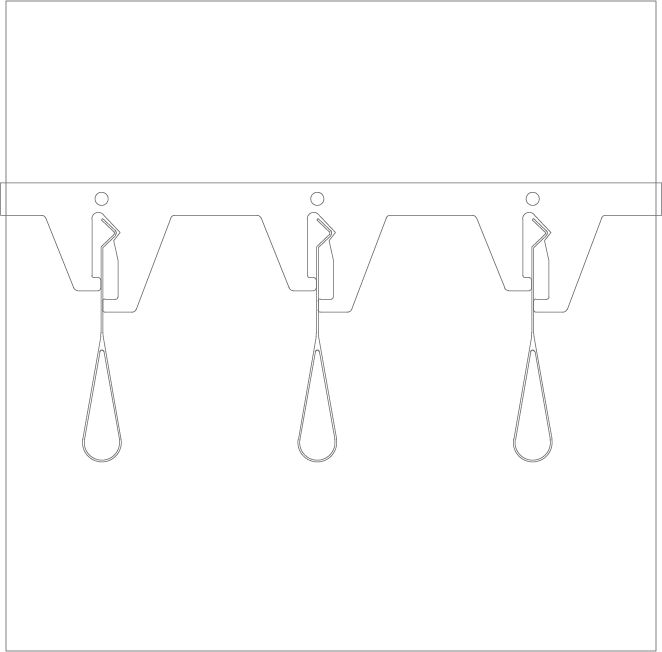
A simple line drawing showing three hanging wire loops suspended from hooks on a flat, rectangular surface with three spaced notches. The background is plain and uncluttered.

The Screen ceiling system uses customizable panels in an open suspension, offering flexibility and elegance that plays with light and shadow to create a captivating focal point.

Perforated

A line graph shows absorption coefficient (α) from 0 to 1 versus 1/3 octave center frequency (Hz) from 315 to 5000, with values mostly between 0.7 and 0.8. Title: ISO 354 with Perforation E 5/5/2.5.

The Perforated system offers a a range of hole sizes for sound absorption, enhancing durability and clarity, and ensuring spaces are acoustically optimized.

Louvre

Black and white technical drawing showing two vertical rectangular columns supporting a horizontal beam, with detailed connections at the top of each column.

The Louvre system offers customizable design and spacing for ventilation, easy access, and lighting, combining functionality with aesthetic appeal for well-ventilated spaces.

Trellis

A line drawing showing three side-by-side geometric shapes with zigzag edges, aligned below a rectangular strip that has five evenly spaced circular holes near its lower edge. The background is plain white.

The Trellis system combines modern design with customizable dimensions, airflow, enhancing light diffusion and integration with ceiling equipment for functionality.

Facade

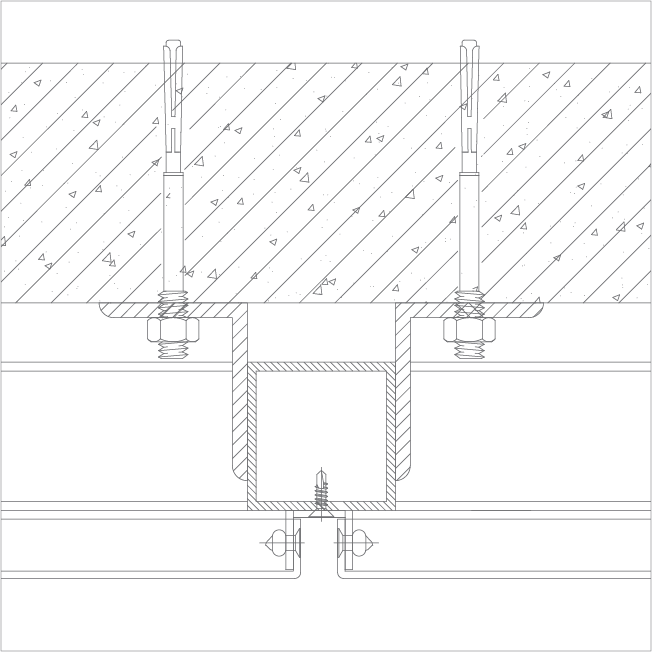
Technical drawing of a cross-section showing two anchor bolts securing a metal fixture to a concrete slab, with detailed nuts, washers, and a recessed box below the fixture.

The Facade system offers durable panels for exterior applications, meeting fire safety standards. It combines easy installation with long-lasting performance.

Louvre Sunbreaker

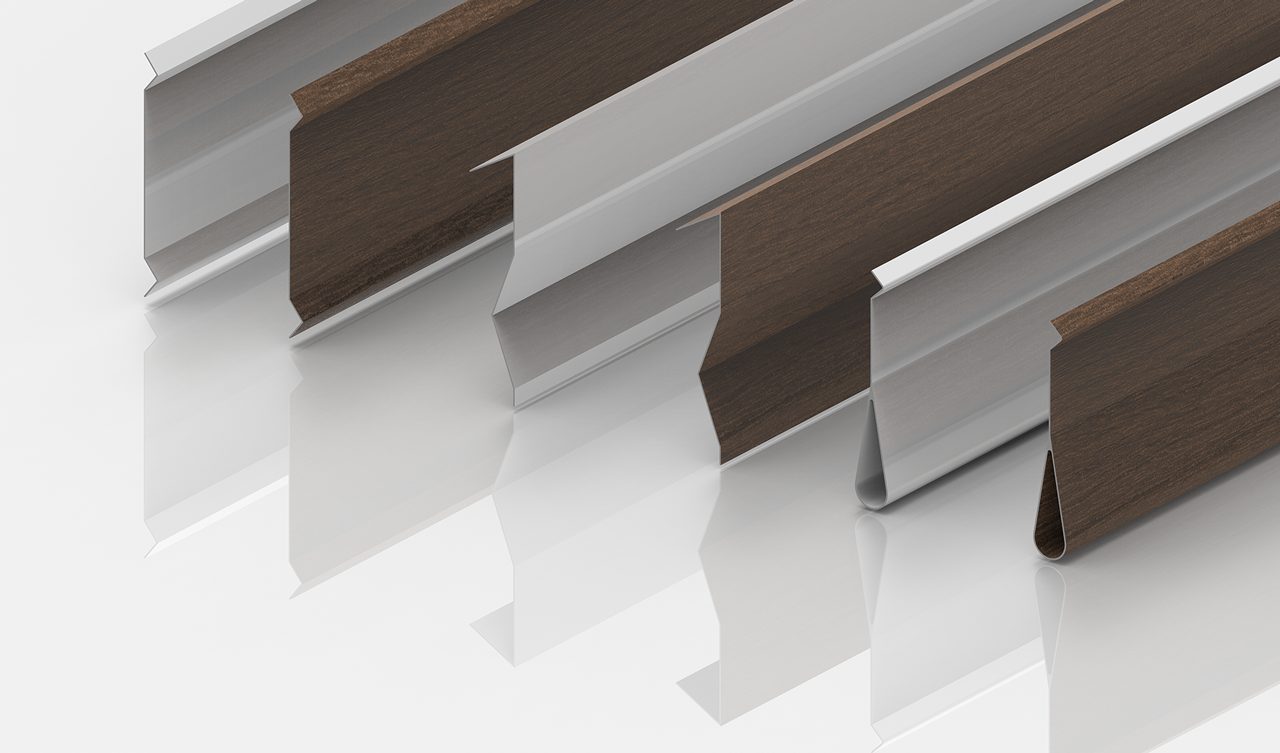
Louvre sunbreakers offer adjustable slats that control sunlight and heat, improving energy efficiency while adding a modern look to your building.

Perforated Sunbreaker

Perforated sunbreakers diffuse light and reduce glare, providing functional shading with a decorative design that elevates comfort and aesthetics.

Horizontal Sunbreaker

Horizontal sunbreakers block high-angle sunlight, reducing heat and energy use, while allowing natural light and giving the facade a clean, modern appearance.

Vertical Sunbreaker

Vertical sunbreakers block low-angle sunlight, improving energy efficiency and privacy, while adding a sleek vertical element to the building’s design.

Project Highlight

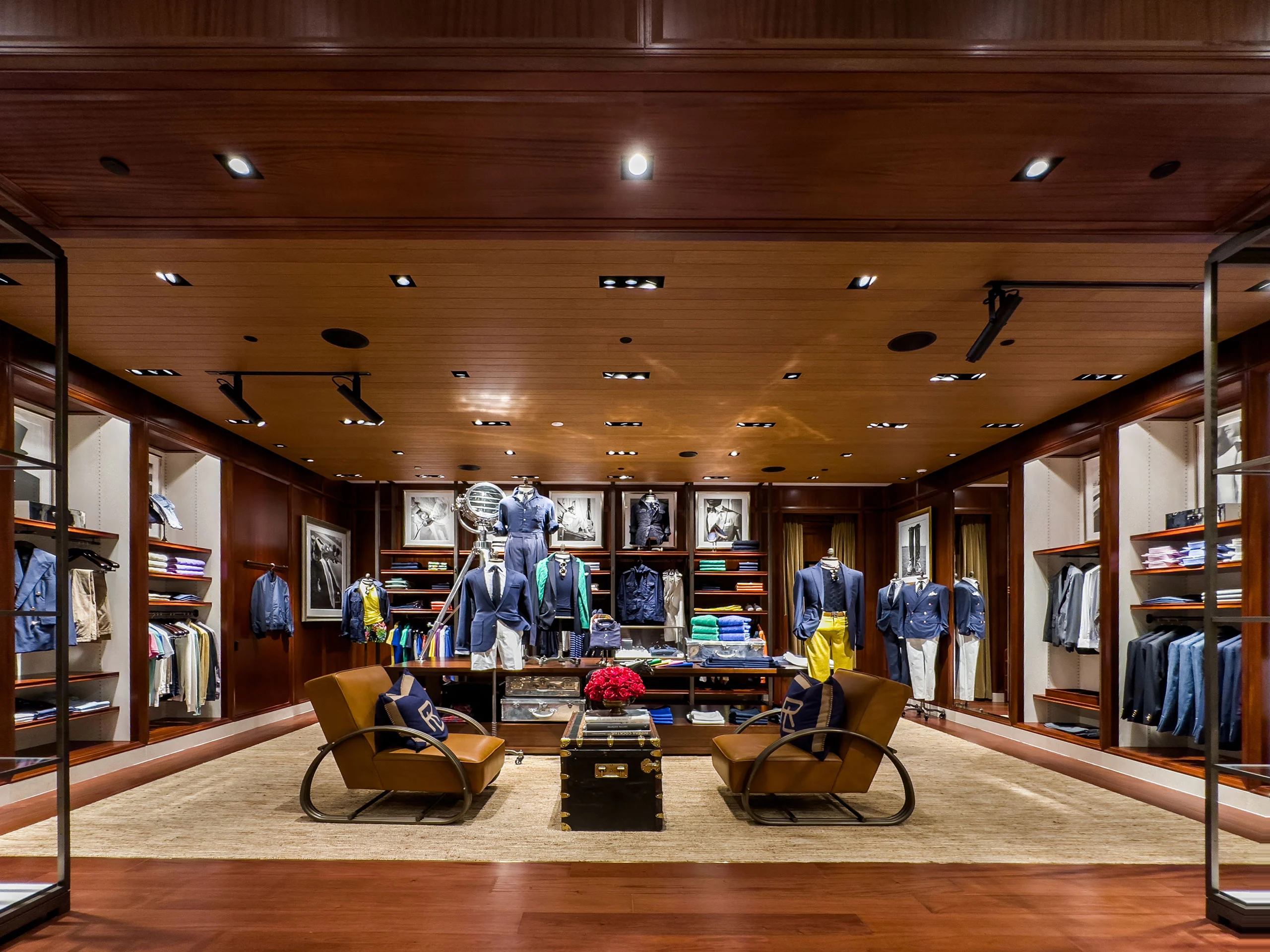
Alüm Hook-on panels were installed on the ceiling and finished with an embossed wood veneer. The embossed wood veneer finish replicates the warmth and natural beauty of real wood while offering the benefits of aluminum. This combination allows you to achieve the timeless and sophisticated look of wood without the associated maintenance requirements.

A stylish, upscale clothing store with wooden walls and ceiling, shelves of neatly folded clothes, mannequins dressed in casual wear, leather chairs, and a central display table with red flowers.

How Does Alüm™ Aluminium Ceiling System Work?

Alüm™ Aluminium Ceiling Systems enhance interior performance using precision-engineered aluminium panels, perforated metal ceilings, and lightweight architectural modules. These systems improve sound control, airflow, and overall comfort in modern environments. Designed with versatile architectural forms, they elevate interior aesthetics, resist moisture and corrosion, and deliver long-term functional benefits for customers. As an innovation-driven company, Alüm™ develops aluminium ceiling solutions that balance acoustic performance, durability, and refined architectural design.

Sound Absorption

In rooms featuring reflective surfaces and tall ceilings, unwanted sound reflections can create echo and excessive reverberation that diminish speech clarity. Alüm™ Aluminium ceiling systems are engineered to manage acoustics at the source, helping reduce noise levels, enhance sound quality, and deliver a comfortable environment across offices, auditoriums, and commercial spaces.

Designed for Architects

Effective acoustics should blend seamlessly with interior design. Alüm™ Aluminium ceiling systems are offered in a wide range of architectural profiles, finishes, and panel styles to suit modern offices and public spaces. These aluminium ceiling panels integrate sound control without disrupting the overall visual identity of the room and enhancing long-term comfort.

Warranty Guaranteed

High-use environments require ceiling systems built to endure. Aluminium ceiling panels are engineered with durable, fire-resistant, and corrosion-resistant materials to deliver reliable long-term performance. Supported by warranty protection, they provide lasting stability, acoustic enhancement benefits, and peace of mind for customers across diverse architectural applications.

Standards

Material: 1100 Aluminium or 6063 Extruded Aluminium
Finishing: Powder Coating, PVDF, Veneer Print
Perforation Diameter: 1mm, 1.8mm, 2.3mm, 3mm, 5mm

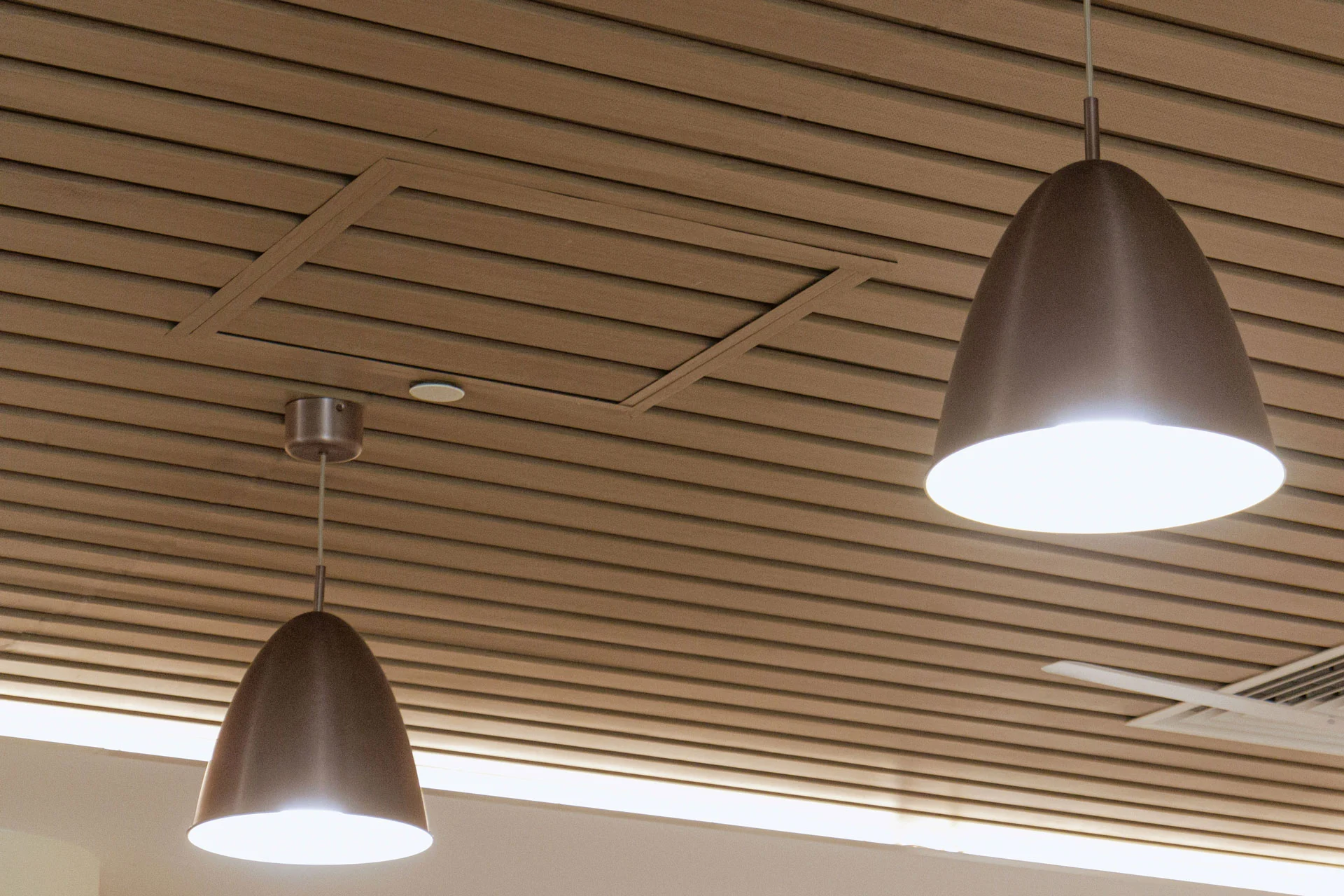
Two modern pendant lights with cone-shaped shades hang from a ceiling made of parallel wooden slats. The lights are switched on, illuminating the area below.

Frequently Asked Questions

Alüm™ Aluminium ceiling systems are designed to enhance acoustic comfort, improve airflow management, and elevate interior aesthetics in offices, classrooms, transport hubs, retail environments, and commercial interiors. They also offer durability, fire resistance, and long-term stability in demanding architectural applications.

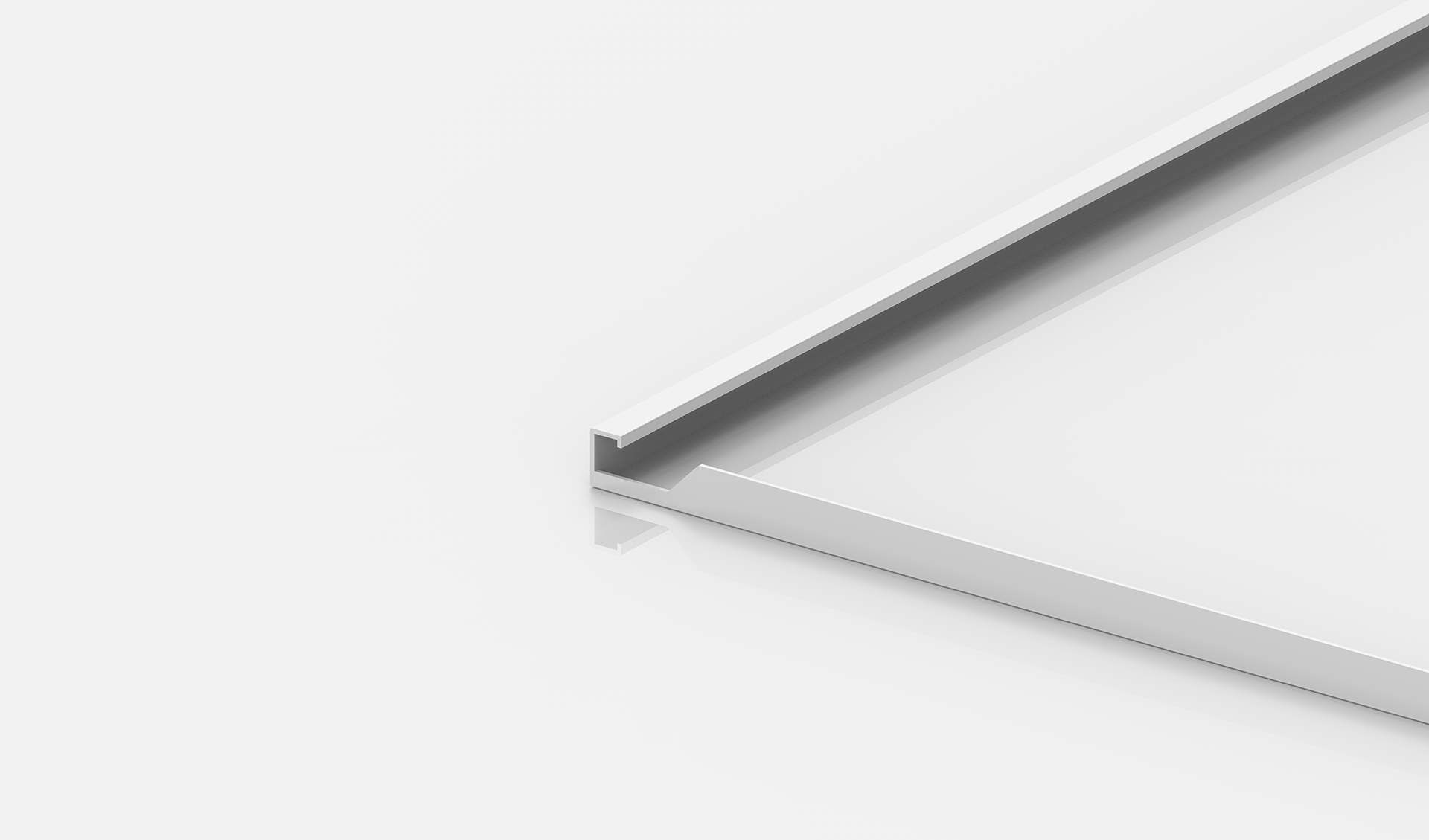
Aluminium ceiling panels provide superior durability, corrosion resistance, and design flexibility compared to mineral or gypsum tiles. They are lighter, longer-lasting, and suited for both functional and decorative applications. Mineral or gypsum ceilings offer traditional acoustic performance but lack the longevity and architectural versatility of aluminium systems.
Perforated aluminium panels enhance sound absorption by allowing noise to pass through the perforations and into an acoustic backing layer. This reduces echo, improves speech clarity, and creates more comfortable acoustic environments in offices, meeting rooms, auditoriums, and public spaces.

Yes. Alum™ Aluminium ceiling systems are ideal for offices, commercial buildings, transport terminals, hospitality venues, and large public spaces. Their durability, fire safety, and refined aesthetics make them well-suited for modern high-performance interior environments.

Absolutely. Alüm™ Aluminium systems can be tailored through custom perforation patterns, panel sizes, colors, finishes, shapes, and installation methods. This allows designers to achieve specific acoustic targets, visual styles, and architectural requirements.

Keep up with our latest development?

This website uses cookies to ensure you get the best experience.