Cross-Sector Adoption of Health Product Declarations in Schools and Hospitals
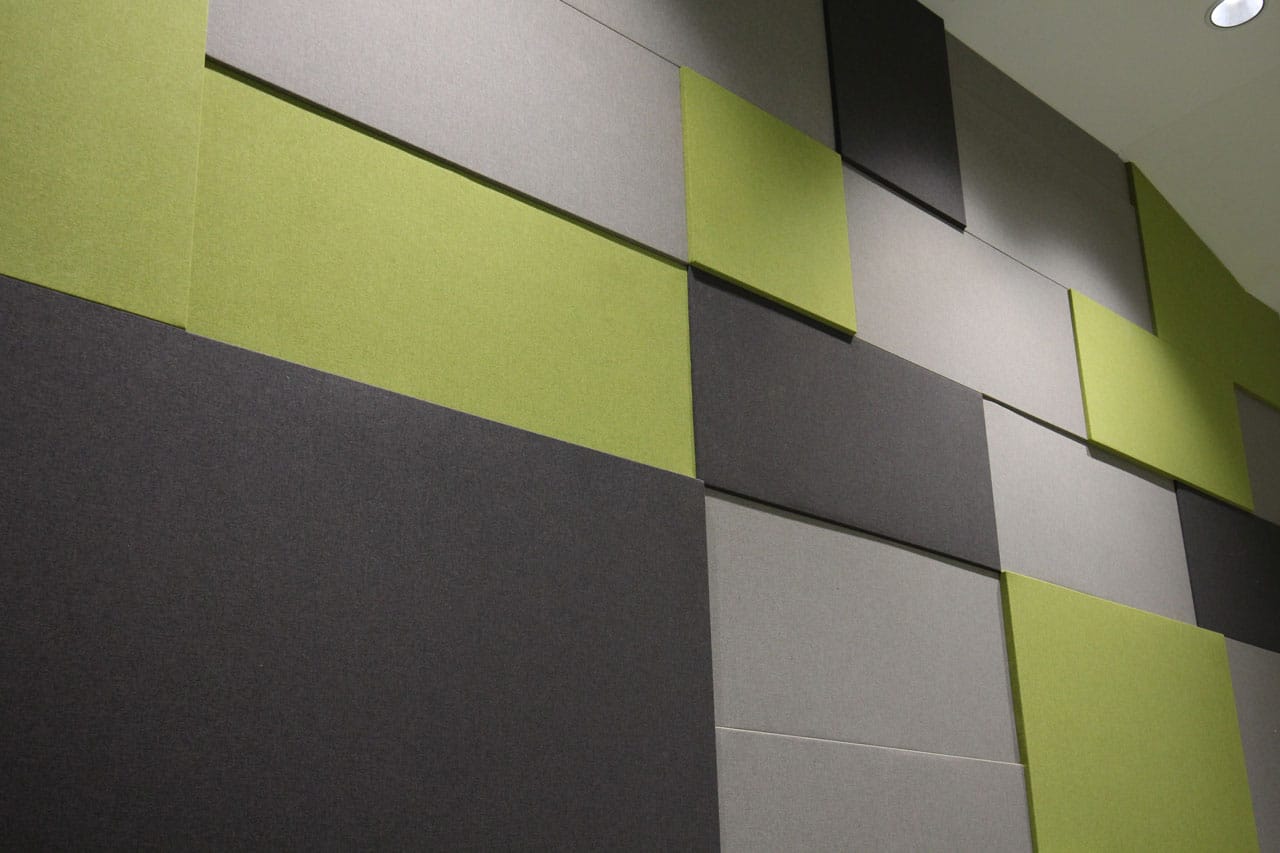
Health Product Declarations and Public Health–Focused Architecture
Health Product Declarations (HPDs) have become a foundational mechanism for advancing material transparency in buildings where human health outcomes are critical. Schools and hospitals, while serving different populations and operational needs, share prolonged occupancy periods, heightened exposure sensitivity, and strong public accountability. The growing cross-sector adoption of HPDs reflects an evidence-driven shift toward prioritising chemical disclosure, informed specification, and preventative health strategies within the built environment.¹

Shared Drivers of HPD Adoption Across Sectors
Vulnerable Occupant Populations and Exposure Risk
Schools and hospitals both serve populations with increased susceptibility to environmental stressors. Children’s developing respiratory and neurological systems make them particularly sensitive to airborne contaminants and material emissions, while hospital patients often have compromised immune systems or existing health conditions. In both contexts, long daily exposure durations amplify the potential impact of low-level chemical emissions. HPDs respond to this shared risk profile by disclosing product ingredients and associated health hazards, enabling designers and facility managers to reduce cumulative exposure through informed material selection.²
Evidence-Based Design and Measurable Health Outcomes
Evidence-based design principles increasingly guide decision-making in both educational and healthcare architecture. Research has linked indoor environmental quality to cognitive performance, recovery rates, and staff productivity, reinforcing the importance of material transparency as a measurable contributor to health outcomes. HPDs support this approach by providing standardised, comparable data that can be evaluated alongside emissions testing, ventilation strategies, and acoustic performance metrics. Rather than relying on generic “low-VOC” claims, specifiers can assess verified ingredient data within a broader performance-based design framework.³
Convergence of Policy, Procurement, and Certification
While regulatory requirements for schools and hospitals vary by jurisdiction, voluntary frameworks have begun to converge. Green building certifications and public procurement policies increasingly recognise HPDs as acceptable documentation for material disclosure and healthier product selection. This convergence allows public-sector clients to adopt consistent transparency criteria across building typologies, simplifying procurement processes while aligning health, sustainability, and accountability objectives. For manufacturers, this alignment reduces the need for sector-specific disclosures and encourages wider adoption of a single, standardised reporting format.⁴

Standardisation and Credibility of Health Product Declarations
The effectiveness of HPDs depends on their standardised structure and governance. Developed by the Health Product Declaration Collaborative, the HPD Open Standard establishes consistent thresholds for ingredient disclosure and health hazard reporting. This consistency enables schools and hospitals to compare products across manufacturers without relying on proprietary assessment methods. The inclusion of third-party verification pathways further strengthens credibility, supporting trust among specifiers, regulators, and end users who require defensible documentation for health-focused design decisions.¹

Implementation Pathways in Schools and Hospitals
Specification Workflows and Material Libraries
HPDs are most effective when integrated early into specification workflows. Many school districts and healthcare networks now maintain centralised material libraries that prioritise HPD-compliant products for finishes, furnishings, and building systems. This approach reduces repetitive evaluations and ensures consistent application of health-based criteria across new construction, renovations, and phased upgrades, while signalling demand for transparent, low-hazard materials.⁵
Risk Management and Institutional Accountability
Beyond design performance, HPDs support institutional risk management by documenting chemical constituents and associated hazards. For publicly funded schools and hospitals, this transparency demonstrates due diligence and accountability to regulators, occupants, and stakeholders. HPDs also provide a defensible record should future regulations change or indoor environmental quality concerns emerge.⁶
Integration with Broader Healthy Building Strategies
Indoor Environmental Quality and Sensory Performance
HPDs complement broader indoor environmental quality strategies that address air quality, acoustics, lighting, and thermal comfort. In schools and hospitals, where noise control and sensory comfort influence learning outcomes and patient recovery, material selection plays a supporting but significant role. Chemically transparent, low-emission materials reduce background pollutant loads, allowing ventilation and acoustic systems to operate more effectively without compensating for material-related contaminants.²
Lifecycle Thinking and Long-Term Sustainability
The value of HPDs extends beyond immediate health considerations to long-term sustainability planning. By disclosing chemical content, HPDs support lifecycle assessments that consider durability, maintenance, reuse, and end-of-life scenarios. Schools and hospitals often operate for decades, undergoing multiple renovation cycles. Access to detailed material data enables facility managers to plan upgrades that balance health, environmental impact, and operational resilience, aligning transparency with long-term asset stewardship goals.⁷

Implications for Future Cross-Sector Alignment
The increasing adoption of Health Product Declarations across schools and hospitals signals a structural shift in how public buildings define performance. Health is no longer treated as an indirect by-product of design quality but as a primary criterion embedded within material specification and procurement processes. As HPDs become more widespread, distinctions between education and healthcare markets continue to blur, replaced by shared expectations for verified, comparable, and actionable material data. This alignment supports market efficiency, encourages innovation in safer material chemistry, and reinforces a precautionary approach to indoor environments. Over time, the normalisation of HPDs may influence regulatory standards, establishing chemical transparency as a baseline requirement for public-sector architecture and redefining best practice for health-focused design.¹⁴⁶
References
- Health Product Declaration Collaborative. (2021). Health Product Declaration Open Standard v2.3. Health Product Declaration Collaborative.
- U.S. Green Building Council. (2017). Indoor Environmental Quality in LEED v4. U.S. Green Building Council.
- Ulrich, R. S., et al. (2008). Designing for Health: Evidence-Based Design Impact. HERD: Health Environments Research & Design Journal.
- U.S. Green Building Council. (2019). LEED v4.1 Building Design and Construction. U.S. Green Building Council.
- International WELL Building Institute. (2023). WELL v2 — Sound Concept. International WELL Building Institute.
- World Health Organization. (2018). Environmental Noise Guidelines for the European Region. WHO Regional Office for Europe.
- International Organization for Standardization. (2009). ISO 3382-1: Acoustics — Measurement of Room Acoustic Parameters — Performance Spaces. International Organization for Standardization.
Share