LEED v5 Updates: Indoor Environmental Quality and Acoustic Comfort
Evolving Performance Expectations in Sustainable Buildings
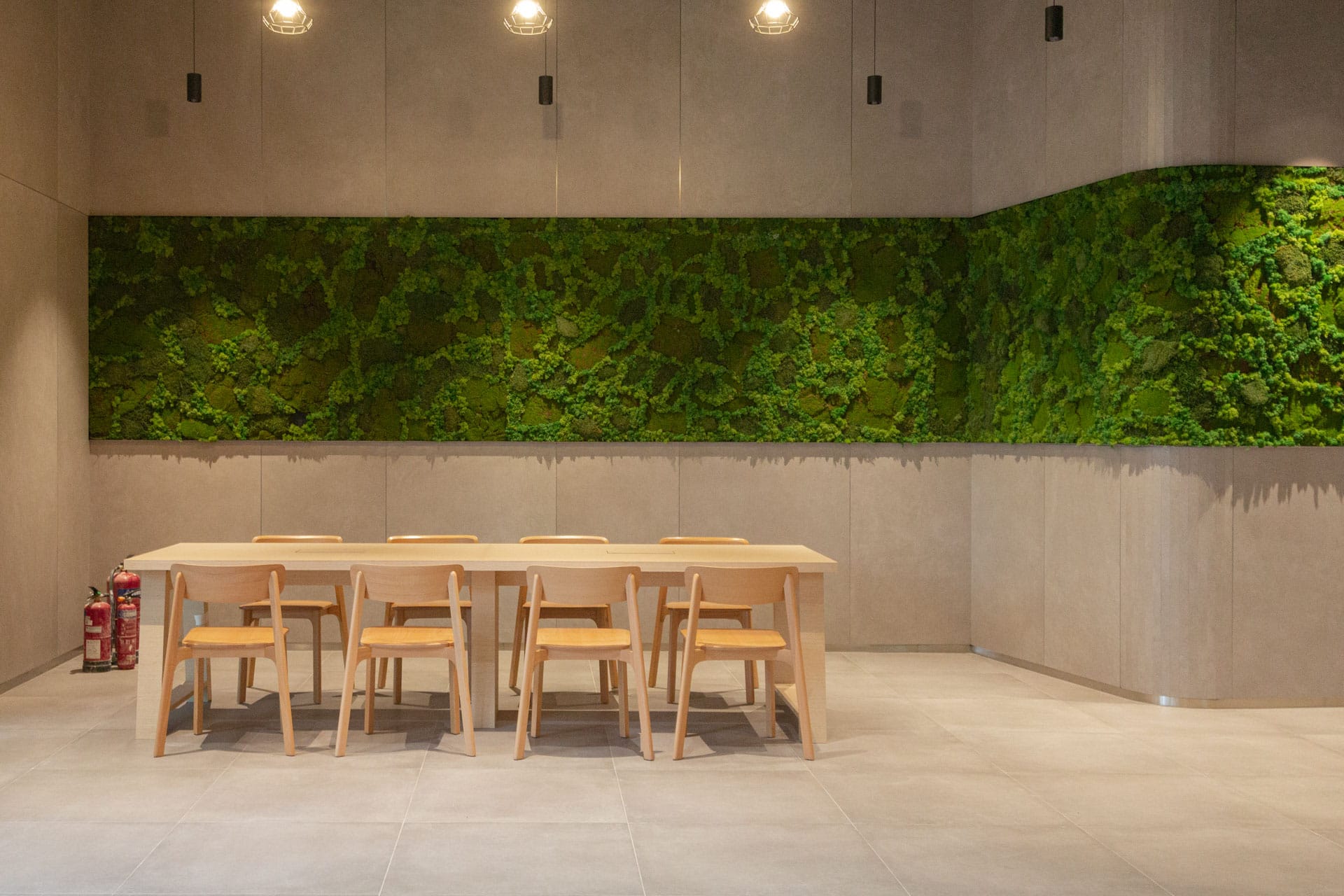
LEED v5 represents a strategic shift toward performance-driven sustainability, with stronger emphasis on human experience alongside decarbonisation. Indoor Environmental Quality (IEQ) is reframed as a core health and equity outcome rather than a secondary comfort layer. Within this context, acoustic comfort is increasingly recognised as a measurable contributor to wellbeing, productivity, and long-term building value.
Shifts in Indoor Environmental Quality Under LEED v5
From Prescriptive Criteria to Measured Outcomes
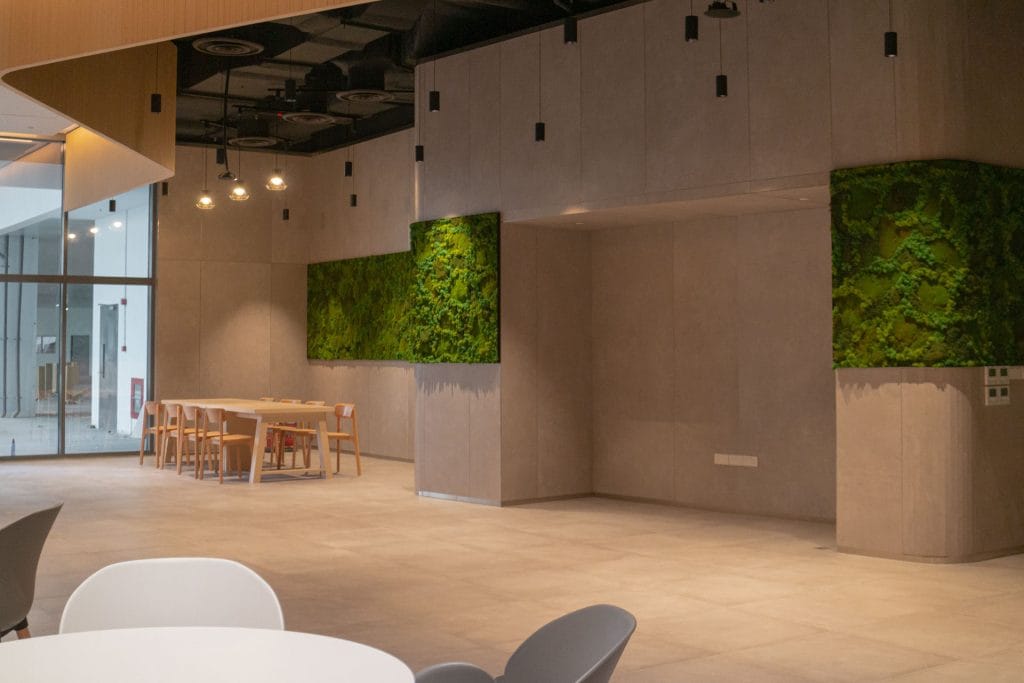
Earlier LEED versions relied heavily on prescriptive thresholds for lighting, air quality, and acoustics. LEED v5 advances toward outcome-based performance, encouraging projects to demonstrate how spaces actually support occupant comfort over time². This evolution positions acoustics as part of a broader sensory environment rather than an isolated technical parameter.
Health, Equity, and Cognitive Performance
LEED v5 aligns IEQ more closely with public-health research linking environmental stressors to cognitive load and wellbeing. Excessive noise, poor speech intelligibility, and reverberation are increasingly viewed as barriers to equitable access to healthy spaces. Acoustic comfort therefore supports LEED v5’s expanded focus on inclusivity across workplaces, education, and community facilities³.
Integration With Air Quality and Thermal Comfort
Acoustics in LEED v5 are no longer considered independently from other IEQ factors. Mechanical noise, airflow strategies, and façade performance influence both acoustic and thermal comfort. Integrated design approaches are encouraged, reinforcing coordination between acoustic consultants, MEP engineers, and façade designers.
Acoustic Comfort as a Performance Metric
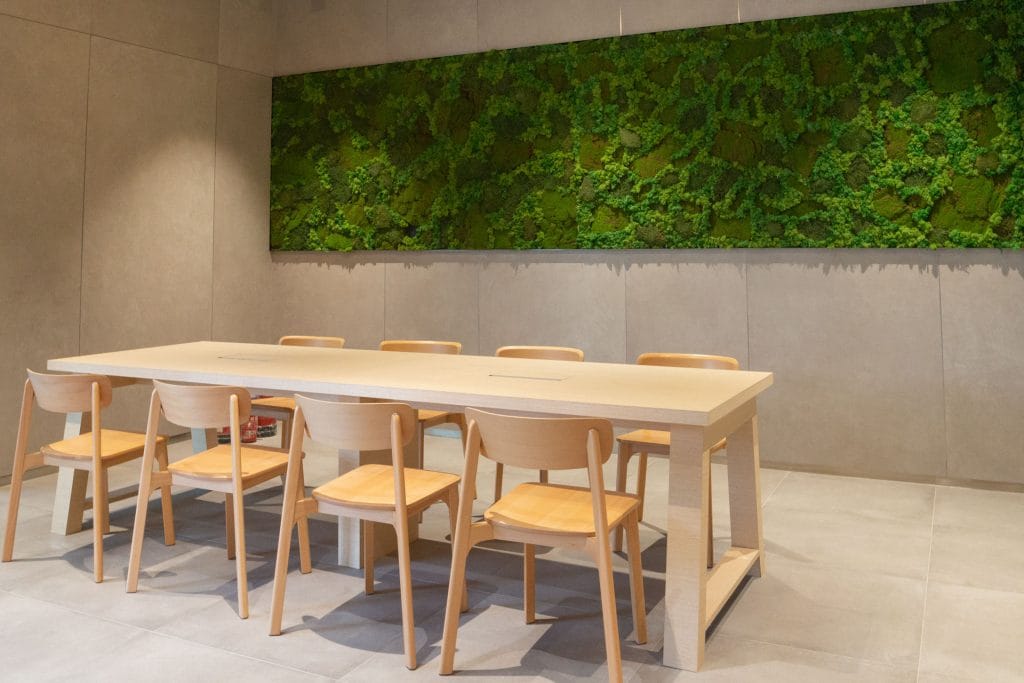
LEED v5 strengthens the conceptual role of acoustics by linking sound control to occupant outcomes rather than solely to building components. This reframing supports the use of validated standards, post-occupancy evaluation, and evidence-based design strategies that prioritise real-world acoustic experience over nominal compliance.
Design Implications for Interior and Building Systems
Interior Planning, Materials, and Zoning
LEED v5 encourages spatial strategies that reduce noise conflicts through zoning, layout, and surface treatment. Absorptive ceilings, wall panels, and furniture systems contribute to speech clarity and reduced distraction, particularly in open or hybrid environments. Material choices increasingly support both acoustic and low-emissions objectives.
Building Systems and Background Noise Control
Mechanical and electrical systems remain a dominant source of acoustic discomfort. LEED v5 reinforces coordination between system selection, vibration isolation, and duct design to control background noise. These measures support acoustic comfort without relying solely on interior finishes.
Standards, Verification, and Documentation
Alignment With Acoustic Measurement Standards
LEED v5 continues to reference established acoustic standards, such as ISO 3382 for room acoustics and ANSI guidelines for educational and workplace environments. These standards provide a common framework for measuring reverberation time, background noise, and speech intelligibility, supporting objective verification⁴.
Post-Occupancy Evaluation and Continuous Performance
Projects pursuing advanced IEQ outcomes are encouraged to incorporate post-occupancy evaluation. Acoustic measurements and occupant feedback help validate design assumptions and inform future improvements. This approach aligns with LEED v5’s emphasis on transparency and continuous performance rather than one-time certification.
Acoustic Comfort in the Next Generation of LEED
LEED v5 signals a maturation of green building practice, where indoor environmental quality—and acoustic comfort in particular—is treated as a fundamental determinant of building success. By prioritising measured outcomes, health-based research, and integrated system design, LEED v5 elevates acoustics from a specialist concern to a shared responsibility across disciplines. While the framework allows flexibility in how acoustic comfort is achieved, it demands clearer evidence that spaces genuinely support occupant wellbeing. As organisations increasingly connect environmental performance with human experience, acoustic comfort under LEED v5 is likely to become a defining benchmark for high-quality, resilient, and people-centred buildings.
References
- U.S. Green Building Council. (2024). LEED v5 Overview. USGBC.
- U.S. Green Building Council. (2024). Air Quality Testing and Monitoring — LEED v5 EQ Credit (Indoor Environmental Quality). USGBC.
- World Health Organization. (2018). Environmental Noise Guidelines for the European Region. WHO Regional Office for Europe.
- International Organization for Standardization. (2009). ISO 3382-1: Acoustics — Measurement of room acoustic parameters — Performance spaces. ISO.
- American National Standards Institute / Acoustical Society of America. (2010). ANSI/ASA S12.60-2010/Part 1: Acoustical Performance Criteria, Design Requirements, and Guidelines for Schools, Permanent Schools. ANSI.
- Seguel, J. M., et al. (2016). Indoor Air Quality. National Center for Biotechnology Information (NIH / PubMed Central).
Share