Polyx

Polyx™ polyester acoustic panel is made by a process of tumbling, needle-punching, and baking low and high melting-point polyester fibres. The high-density fibrous network absorbs sounds and reduces reverberation.

Indoor tropical pool with lush greenery, artificial rocks, and small huts, surrounded by clear water. The wavy, modern ceiling and large windows let in natural light, creating a spacious and relaxing atmosphere.

Materials

Wool Felt

Wool felt is the oldest textile material and at the same time a high-tech product. BWF Feltec offers a unique product diversity with traditional wool felts and a wide variety of natural as well as synthetic needle felts.

100% PET

Polyx™ Board comes in 4 different thickness: 6mm, 9mm, 12mm and 25mm. They are lightweight, easy to cut and install. They can be easily installed on walls and hung vertically or horizontally from the ceiling as baffles or clouds respectively.

Diagonal

Diagonal 300

A graph shows absorption coefficient versus 1/3 octave center frequency (50–5000 Hz) for ISO 354 with 12mm Polyx, with values ranging from about 0.3 to 0.7 and peaking between 0.5 and 0.8 across frequencies.

Polyx™ Diagonal 300 panels have grooved lines for texture, with 12mm polyester absorbing sound and reducing reverberation.

Diagonal 600

A line graph showing absorption coefficient versus frequency for ISO 354 with 12mm Polyx. The absorption coefficient rises from about 0.2 at 50 Hz to around 0.5-0.6 between 315 Hz and 5000 Hz.

Polyx™ Diagonal 600 panels have grooved lines for texture, with 12mm polyester absorbing sound and reducing reverberation.

Diagonal 1200

A graph showing absorption coefficient (up to 0.8) versus 1/3 octave center frequency (50 to 5000 Hz) for ISO 354 with 12mm Polyx™, with values peaking around 0.6-0.7 between 315 and 1250 Hz.

Polyx™ Diagonal 1200 panels have grooved lines for texture, with 12mm polyester absorbing sound and reducing reverberation.

Horizon

Horizon 20L

A graph showing absorption coefficient (α) on the y-axis and 1/3 octave center frequency (Hz) on the x-axis, ranging from 50 to 5000 Hz, with values peaking above 0.7 and labeled ISO 354 with 12mm Polyx™.

Polyx™ Horizon 20L panels feature horizontal grooves for a sleek, expansive look, with high-density polyester absorbing sound and reducing reverberation.

Horizon 50

A graph displays absorption coefficient (α) versus 1/3 octave center frequency (Hz) for ISO 354 with 12mm Polyx. The shaded area shows values rising from 0.2 to around 0.5–0.6 between 50 and 5000 Hz.

Polyx™ Horizon 50 panels feature horizontal grooves for a sleek, expansive look, with high-density polyester absorbing sound and reducing reverberation.

Horizon 50L

A graph displays absorption coefficient (α) versus 1/3 octave center frequency (Hz) for ISO 354 with 12mm Polyx. The shaded area shows values rising from 0.2 to around 0.5–0.6 between 50 and 5000 Hz.

Polyx™ Horizon 50L panels feature horizontal grooves for a sleek, expansive look, with high-density polyester absorbing sound and reducing reverberation.

Horizon 75

A graph showing absorption coefficient versus frequency for 12mm Polyx under ISO 354. Absorption increases from 0.2 at 50 Hz to about 0.5–0.7 between 315 Hz and 5000 Hz.

Polyx™ Horizon 75 panels feature horizontal grooves for a sleek, expansive look, with high-density polyester absorbing sound and reducing reverberation.

Horizon 75L

A graph shows absorption coefficient (α) versus 1/3 octave center frequency (Hz) for ISO 354 with 12mm Polyx™, with values rising from 0.2 at 50 Hz to around 0.5–0.6 between 315 Hz and 5000 Hz.

Polyx™ Horizon 75L panels feature horizontal grooves for a sleek, expansive look, with high-density polyester absorbing sound and reducing reverberation.

Horizon 100

A graph shows absorption coefficient (α) from 0 to 0.8 versus 1/3 octave center frequency (Hz) from 50 to 5000, peaking around 0.6–0.7. The title reads “ISO 354 with 12mm Polyx™.”.

Polyx™ Horizon 100 panels feature horizontal grooves for a sleek, expansive look, with high-density polyester absorbing sound and reducing reverberation.

Horizon 100L

A graph shows absorption coefficient (α) from 0 to 0.8 versus 1/3 octave center frequency (Hz) from 50 to 5000, peaking around 0.6–0.7. The title reads “ISO 354 with 12mm Polyx™.”.

Polyx™ Horizon 100L panels feature horizontal grooves for a sleek, expansive look, with high-density polyester absorbing sound and reducing reverberation.

Horizon 30L

A line graph showing absorption coefficients (α) versus frequency (Hz) for 12mm Polyx™, with values ranging from about 0.3 to 0.7 between 50 Hz and 5000 Hz.

Polyx™ Horizon 30L panels feature horizontal grooves for a sleek, expansive look, with high-density polyester absorbing sound and reducing reverberation.

Horizon 150

A line graph shows absorption coefficient (α) versus 1/3 octave center frequency (Hz) for ISO 354 with 12mm Polyx™, ranging from 0.0 to 0.8 α and 50 to 5000 Hz. The shaded area shows peaks and valleys in data.

Polyx™ Horizon 150 panels feature horizontal grooves for a sleek, expansive look, with high-density polyester absorbing sound and reducing reverberation.

Horizon 150L

A line graph shows absorption coefficient (α) on the y-axis (0 to 0.8) versus 1/3 octave center frequency (Hz) on the x-axis (50 to 5000) for ISO 354 with 12mm Polyx™, with values peaking above 0.5 between 315–5000 Hz.

Polyx™ Horizon 150L panels feature horizontal grooves for a sleek, expansive look, with high-density polyester absorbing sound and reducing reverberation.

Vertical

Vertical 20L

A graph showing absorption coefficient (α) vs. 1/3 octave center frequency (Hz) for 12mm Polyx™. The coefficient rises above 0.5 between 315 and 5000 Hz, peaking near 0.7, based on ISO 354 results.

Polyx™ Vertical 20L panels feature vertical grooves to enhance height, with high-density polyester absorbing sound and reducing reverberation.

Vertical 50

A graph showing absorption coefficient (y-axis) versus 1/3 octave center frequency in Hz (x-axis) for ISO 354 with 12mm Polyx™; the shaded area peaks around 0.7 between 50 Hz and 5000 Hz.

Polyx™ Vertical 50 panels feature vertical grooves to enhance height, with high-density polyester absorbing sound and reducing reverberation.

Vertical 50L

A line graph showing absorption coefficient (α) on the y-axis and 1/3 octave center frequency (Hz) on the x-axis for ISO 354 with 12mm Polyx. The curve rises from about 0.25 to peaks above 0.6 between 315 Hz and 5000 Hz.

Polyx™ Vertical 50L panels feature vertical grooves to enhance height, with high-density polyester absorbing sound and reducing reverberation.

Vertical 75

A graph showing absorption coefficient (α) vs. 1/3 octave center frequency (Hz) for ISO 354 with 12mm Polyx™. The absorption coefficient rises from about 0.2 at 50 Hz to 0.5–0.6 between 315 and 5000 Hz.

Polyx™ Vertical 75 panels feature vertical grooves to enhance height, with high-density polyester absorbing sound and reducing reverberation.

Vertical 75L

A graph shows absorption coefficient (α) versus 1/3 octave center frequency (Hz) for ISO 354 with 12mm Polyx. The absorption coefficient rises from 0.2 at 50 Hz to around 0.5–0.7 across higher frequencies up to 5000 Hz.

Polyx™ Vertical 75L panels feature vertical grooves to enhance height, with high-density polyester absorbing sound and reducing reverberation.

Vertical 100

A line graph showing absorption coefficient (α) versus 1/3 octave center frequency (Hz) for 12mm Polyx, with α values ranging from 0.2 to 0.7 across frequencies from 50 to 5000 Hz.

Polyx™ Vertical 100 panels feature vertical grooves to enhance height, with high-density polyester absorbing sound and reducing reverberation.

Vertical 100L

Line graph showing absorption coefficient (y-axis) from 0 to 0.8 across frequencies (x-axis) from 50 to 5000 Hz; labeled “ISO 354 with 12mm Polyx™.” The shaded area shows variable absorption across frequencies.

Polyx™ Vertical 100L panels feature vertical grooves to enhance height, with high-density polyester absorbing sound and reducing reverberation.

Vertical 30L

A graph showing absorption coefficient (α) versus 1/3 octave center frequency (Hz) for ISO 354 with 12mm Polyx. The coefficient ranges from about 0.2 to 0.6 between 50 Hz and 5000 Hz.

Polyx™ Vertical 30L panels feature vertical grooves to enhance height, with high-density polyester absorbing sound and reducing reverberation.

Vertical 150

A graph showing absorption coefficient (y-axis, 0 to 0.8) versus 1/3 octave center frequency in Hz (x-axis, 50 to 5000) for ISO 354 with 12mm Polyx™, with data forming a fluctuating shaded area.

Polyx™ Vertical 150 panels feature vertical grooves to enhance height, with high-density polyester absorbing sound and reducing reverberation.

Vertical 150L

A line graph shows absorption coefficient (α) versus frequency (Hz) for 12mm Polyx™, ranging from 0.2 to 0.7 absorption as frequency increases from 50 to 5000 Hz. The highest absorption is around 0.7.

Polyx™ Vertical 150L panels feature vertical grooves to enhance height, with high-density polyester absorbing sound and reducing reverberation.

Loop & Circuit

Loop 300

A graph shows absorption coefficient (α) on the y-axis, ranging from 0 to 0.8, versus 1/3 octave center frequency (Hz) on the x-axis, from 50 to 5000 Hz, for ISO 354 with 12mm Polyx™.

Polyx™ Loop 300 panels feature circular grooves for a rhythmic design, with high-density polyester absorbing sound and reducing reverberation.

Loop 600

A graph showing absorption coefficient (α) versus frequency (Hz) for 12mm Polyx™, with coefficients increasing from about 0.25 to 0.6 between 50 Hz and 5000 Hz, based on ISO 354 measurements.

Polyx™ Loop 600 panels feature circular grooves for a rhythmic design, with high-density polyester absorbing sound and reducing reverberation.

Loop 1200

A shaded graph shows absorption coefficient (α) rising from about 0.2 to over 0.5 as the frequency increases from 50 Hz to 5000 Hz, labeled ISO 354 with 12mm Polyx™.

Polyx™ Loop 1200 panels feature circular grooves for a rhythmic design, with high-density polyester absorbing sound and reducing reverberation.

Circuit 1200

A line graph showing absorption coefficient versus frequency for 12mm Polyx™, with coefficients ranging from about 0.2 to 0.7 across frequencies 50 Hz to 5000 Hz, peaking around 0.7 between 315 and 1250 Hz.

Polyx™ Circuit 1200 panels feature curved and linear grooves for a dynamic design, with high-density polyester absorbing sound and reducing reverberation.

Baffle

Baffle 9

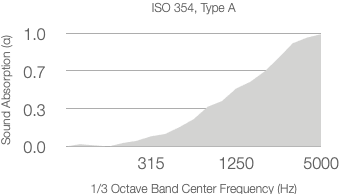
A graph titled ISO 354 with 200mm Air Gap shows absorption coefficient (α) vs. 1/3 octave center frequency (Hz). The shaded area rises from 0, peaks at around 1.0, and ends at 5000 Hz.

Polyx™ Baffle 9 acoustic baffles absorb echoes and improve speech clarity, available in 30+ colors, and installed with V-shaped keels 100mm apart.

Baffle 12

A graph titled ISO 354 with 100mm Air Gap shows absorption coefficient (α) on the y-axis and 1/3 octave center frequency (Hz) on the x-axis, ranging from 315 to 5000 Hz. The absorption peaks around 0.7.

Polyx™ Baffle 12 acoustic baffles absorb echoes and improve speech clarity, available in 30+ colors, and installed with V-shaped keels 100mm apart.

Baffle 18

Line graph titled ISO 354 with 200mm Air Gap shows absorption coefficient (α) rising from low at 315 Hz, peaking near 1.0 across the range, and remaining high up to 5000 Hz. X-axis: frequency (Hz), Y-axis: absorption coefficient.

Polyx™ Baffle 18 acoustic baffles absorb echoes and improve speech clarity, available in 30+ colors, and installed with V-shaped keels 100mm apart.

Baffle 24

A graph titled “ISO 354 with 200mm Air Gap” shows absorption coefficient (α) on the y-axis, rising from 0.0 to 1.0, against frequency (Hz) on the x-axis from 315 to 5000, with a shaded area peaking near 1.0.

Polyx™ Baffle 24 acoustic baffles absorb echoes and improve speech clarity, available in 30+ colors, and installed with V-shaped keels 100mm apart.

Board

Board 9

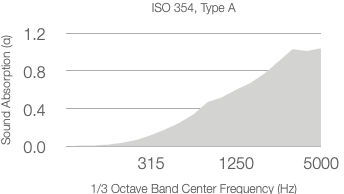
Line graph showing absorption coefficient increasing with frequency, from near 0 at 315 Hz to about 0.9 at 5000 Hz. Labeled ASTM C423-17 and 1/3 Octave Center Frequency (Hz) on the x-axis.

Polyx™ Polyester Board of 9mm thickness absorbs sound and reduces reverberation with its high-density fibrous network.

Board 12

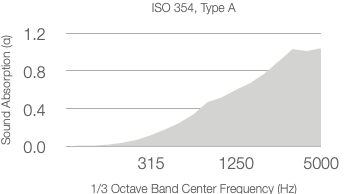
Line graph showing absorption coefficient (α) versus 1/3 octave center frequency (Hz), with ASTM C423-17 label. The coefficient rises from near 0 at 315 Hz to above 1.0 at 5000 Hz.

Polyx™ Polyester Board of 12mm thickness absorbs sound and reduces reverberation with its high-density fibrous network.

Board 18

A shaded line graph shows absorption coefficient (α) rising from 0 to about 1.1 as the 1/3 octave center frequency increases from 315 Hz to 5000 Hz, following ASTM C423-17 standards.

Polyx™ Polyester Board of 18mm thickness absorbs sound and reduces reverberation with its high-density fibrous network.

Board 24

A graph titled ASTM C423-17 shows absorption coefficient (α) rising from 0.0 to about 1.1 as the 1/3 octave center frequency increases from 315 Hz to 5000 Hz. The data is displayed as a shaded area.

Polyx™ Polyester Board of 24mm thickness absorbs sound and reduces reverberation with its high-density fibrous network.

Thermocompressed

Curve 38-2

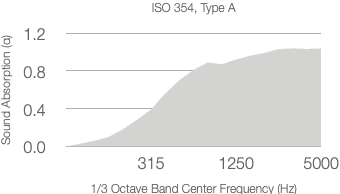
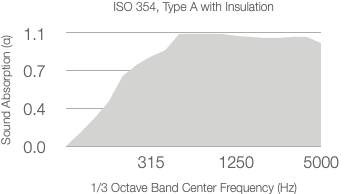
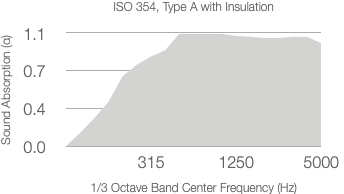
A graph shows absorption coefficient (α) versus 1/3 octave center frequency (Hz) for ISO 354 with 50mm rockwool (60kg/m³). The curve rises steeply, levels near 1.1 between 1250 and 5000 Hz.

Polyx™ Curve 38-2 polyester boards are crafted through tumbling and heat compression, ensuring durability, sound absorption, and reverberation control.

Curve 40-10

A graph shows absorption coefficient (α) versus 1/3 octave center frequency (Hz) for ISO 354 with 50mm rockwool (60kg/m³). The curve rises steeply, levels near 1.1 between 1250 and 5000 Hz.

Polyx™ Curve 40-10 polyester boards are crafted through tumbling and heat compression, ensuring durability, sound absorption, and reverberation control.

Curve 67

A graph shows absorption coefficient (α) versus 1/3 octave center frequency (Hz) for ISO 354 with 50mm rockwool (60kg/m³). The curve rises steeply, levels near 1.1 between 1250 and 5000 Hz.

Polyx™ Curve 67 polyester boards are crafted through tumbling and heat compression, ensuring durability, sound absorption, and reverberation control.

Curve 95-6

A graph shows absorption coefficient (α) versus 1/3 octave center frequency (Hz) for ISO 354 with 50mm rockwool (60kg/m³). The curve rises steeply, levels near 1.1 between 1250 and 5000 Hz.

Polyx™ Curve 95-6 polyester boards are crafted through tumbling and heat compression, ensuring durability, sound absorption, and reverberation control.

Wave 40-10

A graph shows absorption coefficient versus 1/3 octave center frequency (Hz) for 50mm Rockwool (60kg/m³), with values rising from 0 at 125 Hz to about 1.1 around 1250 Hz and remaining steady up to 5000 Hz.

Polyx™ Wave 40-10 polyester boards are crafted through tumbling and heat compression, ensuring durability, sound absorption, and reverberation control.

Wave 75

A graph shows absorption coefficient versus 1/3 octave center frequency (Hz) for 50mm Rockwool (60kg/m³), with values rising from 0 at 125 Hz to about 1.1 around 1250 Hz and remaining steady up to 5000 Hz.

Polyx™ Wave 75 polyester boards are crafted through tumbling and heat compression, ensuring durability, sound absorption, and reverberation control.

Wave 95-6

A graph shows absorption coefficient versus 1/3 octave center frequency (Hz) for 50mm Rockwool (60kg/m³), with values rising from 0 at 125 Hz to about 1.1 around 1250 Hz and remaining steady up to 5000 Hz.

Polyx™ Wave 95-6 polyester boards are crafted through tumbling and heat compression, ensuring durability, sound absorption, and reverberation control.

Wool

Wool Felt 3

Line graph showing absorption coefficient (α) rising from near 0 to around 1 as the 1/3 octave center frequency increases from 315 Hz to 5000 Hz, based on ISO 354 with a 20mm air gap.

Wool Felt of thickness 3mm is an eco-friendly, biodegradable textile made from traditional wool, certified to ISO 9001:2008, offering both natural and synthetic options.

Wool Felt 5

A graph shows absorption coefficient versus 1/3 octave center frequency (Hz) for ISO 354 with 20mm air gap. The coefficient increases sharply after 315 Hz, peaks above 0.7 near 2500 Hz, then slightly decreases toward 5000 Hz.

Wool Felt of thickness 5mm is an eco-friendly, biodegradable textile made from traditional wool, certified to ISO 9001:2008, offering both natural and synthetic options.

Others

Perforated

A graph showing absorption coefficient (α) versus frequency (Hz) per ASTM C423-17 with 24mm Polyx. The absorption rises from near 0 at low frequencies to about 1.1 at higher frequencies up to 5000 Hz.

Polyx™ Perforated panels have high-density perforations for seamless joinery, absorbing sound and reducing reverberation.

Waffle Baffle

Line graph showing absorption coefficient values rising from around 0.0 to 1.0 as frequency increases from 315 Hz to 5000 Hz, with the title ISO 354 with 200mm Air Gap.

Polyx™ Waffle Baffle connects meandering baffles into Unistrut channels for easy installation, absorbing sound and reducing reverberation.

Wave Baffle

A graph shows absorption coefficient values (α) up to 0.8 on the y-axis and frequency from 315 Hz to 5000 Hz on the x-axis, labeled ISO 354 with 100mm Air Gap. The data forms a shaded, uneven area.

Polyx™ Wave Baffle features wave-like baffles slotted into Unistrut channels for easy installation, absorbing sound and reducing reverberation.

Printed

A graph shows absorption coefficient (α) on the y-axis from 0.0 to 1.1 and 1/3 octave center frequency (Hz) on the x-axis from 100 to 5000. The shaded area rises gradually, peaking near 1.1 at the right.

Polyx™ Printed Polyester Board, made from polyester fibers, absorbs sound and reduces reverberation, available in 9mm, 12mm, 18mm, and 24mm thicknesses.

Wood

A graph showing absorption coefficient (α) versus 1/3 octave center frequency (Hz) for ASTM C423-17 with 24mm Polyx. The absorption rises from near 0 at low frequencies to about 1.1 at higher frequencies.

Polyx™ Wood is a 100% PET board with a veneer-printed surface, absorbing sound and reducing reverberation, available in 9mm, 12mm, 18mm, and 24mm thickness options.

Tri-Hex

A graph showing absorption coefficient versus 1/3 octave center frequency (Hz), with values peaking around 0.7 and ranging from 315 to 5000 Hz, labeled ISO 354 with 100mm Air Gap.

Polyx™ Tri-Hex modular 3D panels form hexagonal units, with high-density polyester absorbing sound and reducing reverberation across interior spaces in the architectural environments.

Tesellate

A line graph showing absorption coefficient (α) increasing with 1/3 octave center frequency (Hz), from about 0 at 315 Hz to over 1.0 at 5000 Hz. The graph is labeled ASTM C423-17.

Polyx™ Tessellate offers three 3D panel types—Kite, Tri, and Hex—that can be combined to absorb sound and reduce reverberation across diverse interior environments.

Project Highlight

12mm Polyester Wave Baffle

In the newly built Abu Dhabi SeaWorld’s Flamingo Point, the space features 12mm Polyx™ polyester ceiling baffles, intricately CNC cut into wave patterns, enhancing both design and acoustics. These baffles play a pivotal role in ensuring an exceptional auditory experience for visitors, harmonizing the blend of design and sound in the space.

A large indoor tropical pool with clear water, lush green plants, rocks, and a group of pink flamingos in the foreground under a high, wavy ceiling. Sunlight streams through tall glass windows at the back.

How Does Polyx™ Polyester Acoustic Panel Work?

Polyx™ polyester acoustic panels enhance sound absorption using high-density PET felt boards and precision-engineered acoustic surfaces. These systems improve sound control, thermal comfort, and overall acoustic quality in any environment. Designed for modern interiors, they elevate visual appeal, resist moisture and mold, and deliver practical benefits for customers. As an innovation-driven brand, Polyx™ develops acoustic solutions that balance performance, durability, and refined interior aesthetics.

Sound Absorption

In rooms with reflective surfaces and high ceilings, sound waves create echo and excessive reverberation that reduce speech clarity. Polyx™ polyester acoustic panels are engineered to absorb sound at the source, helping to control noise levels, improve sound quality, and create a more comfortable acoustic space for offices, auditoriums, and commercial spaces.

Designed for Architects

Effective acoustics should blend seamlessly with interior design. Polyx™ polyester acoustic panels come in a wide range of textures, colors, and panel styles to suit modern offices and public spaces. These acoustic felt panels integrate sound control without disrupting the overall visual identity of the room and enhance comfort in daily use.

Warranty Guaranteed

High-use environments require acoustic systems that last. Polyx™ polyester acoustic panels are crafted with durable, impact-resistant, and eco-conscious materials to deliver consistent acoustic performance. Supported by reliable warranty protection, they provide long-term stability, sound absorption benefits, and peace of mind for customers across a wide range of demanding projects.

Standards

Material: 100% PET Polyester
Standard Dimension: 1200mm x 2400mm
Felt Thickness: 2mm, 3mm
Board Thickness: 6mm, 9mm, 12mm, 25mm
Bevel Angle: 45°

Assorted green fabric swatches and small color sample cards are arranged on a white surface, surrounded by various green leaves and small plant stems.

Frequently Asked Questions

Polyx is an acoustic system made from high-density polyester fibre. The fibres are tumbled, needle-punched and baked to form a dense fibrous board or felt that absorbs sound and reduces reverberation in enclosed spaces.

Polyx is available as polyester boards, acoustic felt, and ceiling baffles. The boards and felt can be used as wall panels or general acoustic panels. The baffles are designed to hang vertically from ceilings to help absorb echoes and improve acoustic comfort.

Polyx panels have a measured Noise Reduction Coefficient (NRC) between 0.3 and 0.75, meaning they significantly help reduce reverberation and improve sound clarity in rooms.

Yes. Polyx is made with polyester fibre which is stable, lightweight and resilient — suitable for humid environments like Singapore. The panels also meet fire-rating standards (EN 13501-1 Class B s1 d0) and are eco-friendly (Oeko-Tex® Standard 100), making them viable for offices, studios, residential or commercial projects.

Yes. Polyx’s polyester acoustic panels and ceiling baffles can be combined with other Aural-Aid systems (like timber or fabric acoustic panels) for more comprehensive acoustic treatment. Designers often mix and match to meet specific acoustic and aesthetic requirements.
Keep up with our latest development?

This website uses cookies to ensure you get the best experience.