Recycled Content Cladding Solutions for Net-Zero Carbon Targets
Recycled Content Cladding and the Net-Zero Imperative
As the construction sector intensifies efforts to meet net-zero carbon targets, attention has shifted decisively toward embodied carbon in building materials. Cladding systems, both external façades and interior wall linings, represent a significant proportion of a building’s material mass and lifecycle emissions. Recycled content cladding solutions have therefore emerged as a critical strategy for reducing upfront carbon while supporting circular economy principles and long-term sustainability objectives.¹
Drivers for Recycled Content in Cladding Systems
Embodied Carbon and Lifecycle Assessment
Embodied carbon accounts for emissions generated during raw material extraction, manufacturing, transportation, installation, and end-of-life processing. For cladding materials such as aluminium, steel, and composite panels, primary production is highly energy-intensive. Substituting virgin material with recycled content can reduce embodied carbon by more than half, particularly for aluminium, where secondary production requires only a fraction of the energy of primary smelting. Lifecycle assessment methodologies increasingly highlight recycled cladding as one of the most effective levers for reducing upfront emissions in commercial and institutional buildings.²
Regulatory Pressure and Net-Zero Commitments
Governments and industry bodies are progressively embedding whole-life carbon assessment into planning and procurement requirements. Frameworks such as EN 15978 and national net-zero roadmaps emphasise upfront carbon reductions as essential to meeting climate targets. Recycled content cladding aligns directly with these policies by delivering quantifiable emissions savings at the product stage, allowing designers to demonstrate compliance with evolving carbon reporting standards and public-sector sustainability mandates.³
Market Demand and Corporate ESG Objectives
Beyond regulation, market forces are accelerating adoption. Developers, asset owners, and occupiers increasingly integrate environmental, social, and governance (ESG) criteria into investment decisions. Recycled content cladding supports ESG reporting by providing verifiable reductions in material-related emissions and reinforcing commitments to responsible sourcing. As transparency expectations rise, manufacturers offering high recycled content and third-party verified data gain a competitive advantage in specification-driven markets.⁴
Material Transparency and Performance Validation
While recycled content is a powerful carbon reduction tool, performance and durability remain critical considerations. Cladding systems must meet stringent requirements for fire safety, weather resistance, acoustic performance, and structural integrity. Advances in material engineering have enabled recycled aluminium, steel, and polymer-based cladding to achieve performance parity with virgin materials. Environmental Product Declarations (EPDs) and material certifications play a central role in validating both carbon savings and technical performance, ensuring that sustainability gains do not compromise regulatory compliance or long-term building resilience.¹
Applications Across Building Typologies
Façade Systems and External Envelopes
Recycled content cladding is increasingly specified for rainscreens, curtain wall panels, and architectural metal façades. High-recycled aluminium panels are widely adopted due to their durability, corrosion resistance, and end-of-life recyclability. When paired with modular fixing systems, these façades support disassembly and reuse while contributing meaningfully to net-zero carbon strategies.⁵
Interior Wall Linings and Hybrid Systems
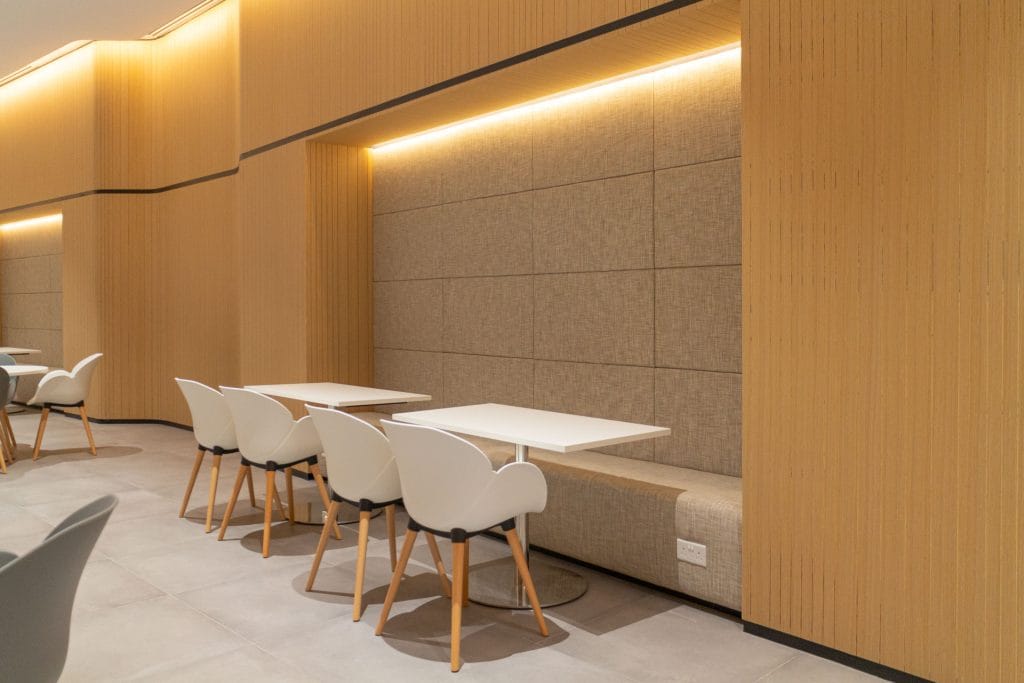
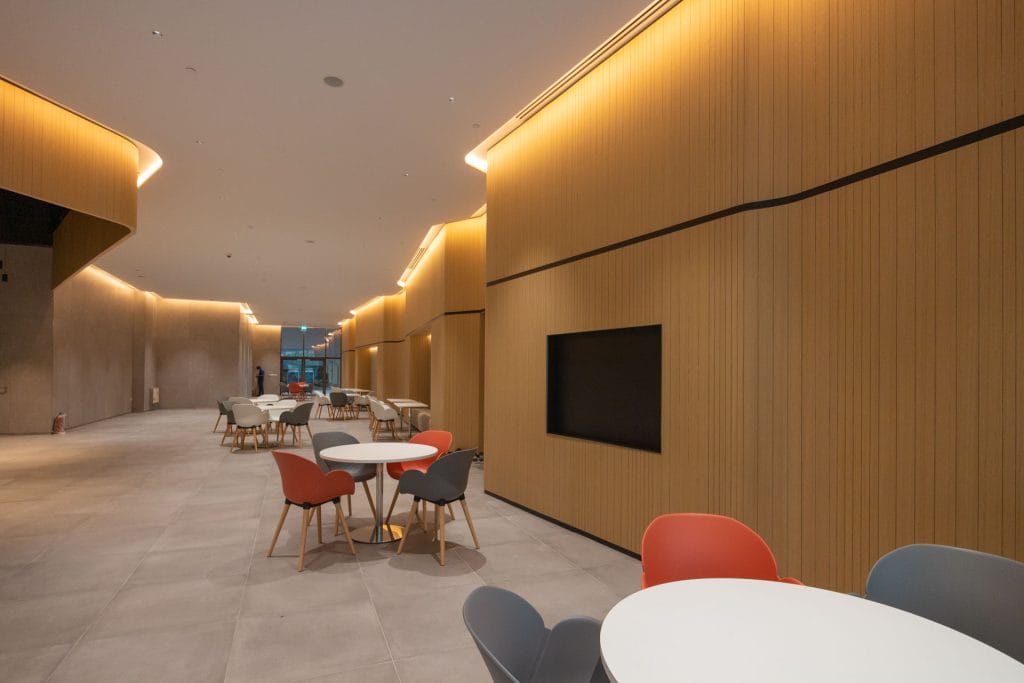
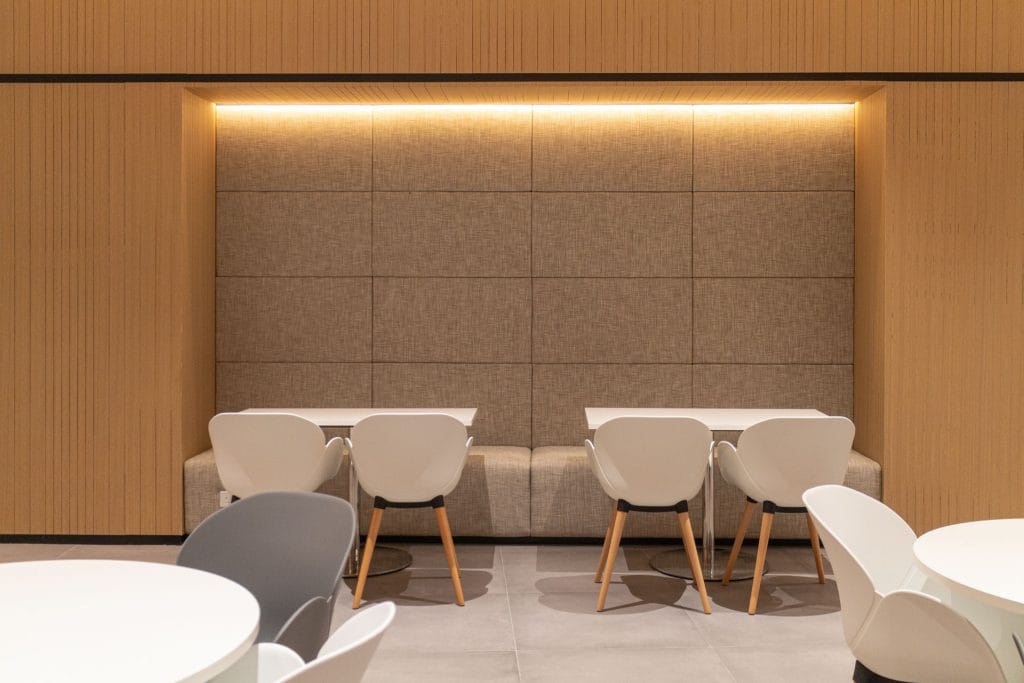
Recycled content interior cladding, including polymer composites, fibre-reinforced panels, and recycled metal linings, offers both aesthetic and functional value. These applications enable designers to balance carbon reduction with acoustic performance, impact resistance, and hygiene needs. In high-traffic environments, such systems provide a durable, low-carbon alternative to conventional finishes.⁶
Integration with Circular Economy Strategies
Design for Disassembly and Material Recovery
Recycled content cladding is most effective when integrated into broader circular economy strategies. Designing cladding systems for disassembly enables materials to be recovered and recycled at the end of a building’s life, extending carbon benefits beyond initial installation. Mechanical fixing methods, standardised panel dimensions, and material labelling all support future recovery, transforming cladding from a one-time carbon cost into a renewable material resource.³
Alignment with Whole-Life Carbon Targets
Net-zero carbon targets increasingly encompass both upfront and operational emissions across a building’s full lifecycle. Recycled content cladding contributes to this holistic approach by reducing initial embodied carbon while supporting durability and adaptability over time. When paired with low-carbon structural systems and energy-efficient building envelopes, recycled cladding helps create a coherent strategy that aligns design intent, material selection, and long-term carbon performance.²
Implications for Future Specification Practices
The growing adoption of recycled content cladding reflects a broader transformation in how the construction industry defines material value. Carbon intensity is now evaluated alongside cost, aesthetics, and performance, reshaping specification priorities across commercial, institutional, and residential sectors. As carbon disclosure becomes standard practice, recycled content will increasingly be viewed not as a premium feature but as a baseline requirement for responsible design. Continued innovation in material processing, certification, and circular design will further expand the role of recycled cladding solutions, positioning them as a cornerstone of net-zero architecture and a practical pathway toward climate-resilient buildings.¹⁴⁵
References
- World Green Building Council. (2019). Embodied Carbon: The Blind Spot of Building Design. World Green Building Council.
- International EPD System. (2023). Environmental Product Declarations (EPDs). International EPD System.
- European Committee for Standardization. (2011). EN 15978: Sustainability of Construction Works — Assessment of Environmental Performance of Buildings. European Committee for Standardization.
- Carbon Trust. (2025). A Guide to Carbon Footprinting for Businesses. Carbon Trust.
- International Aluminium Institute. (2020). Aluminium in Buildings: Life Cycle Assessment. International Aluminium Institute.
- Ellen MacArthur Foundation. (2019). Circular Economy in the Built Environment. Ellen MacArthur Foundation.
- UK Green Building Council. (2021). Whole Life Carbon Assessment for the Built Environment. UK Green Building Council.
Share