Sustainable Timber Cladding Options with FSC Certified Chain of Custody
Responsible Timber Use in Contemporary Facade Design
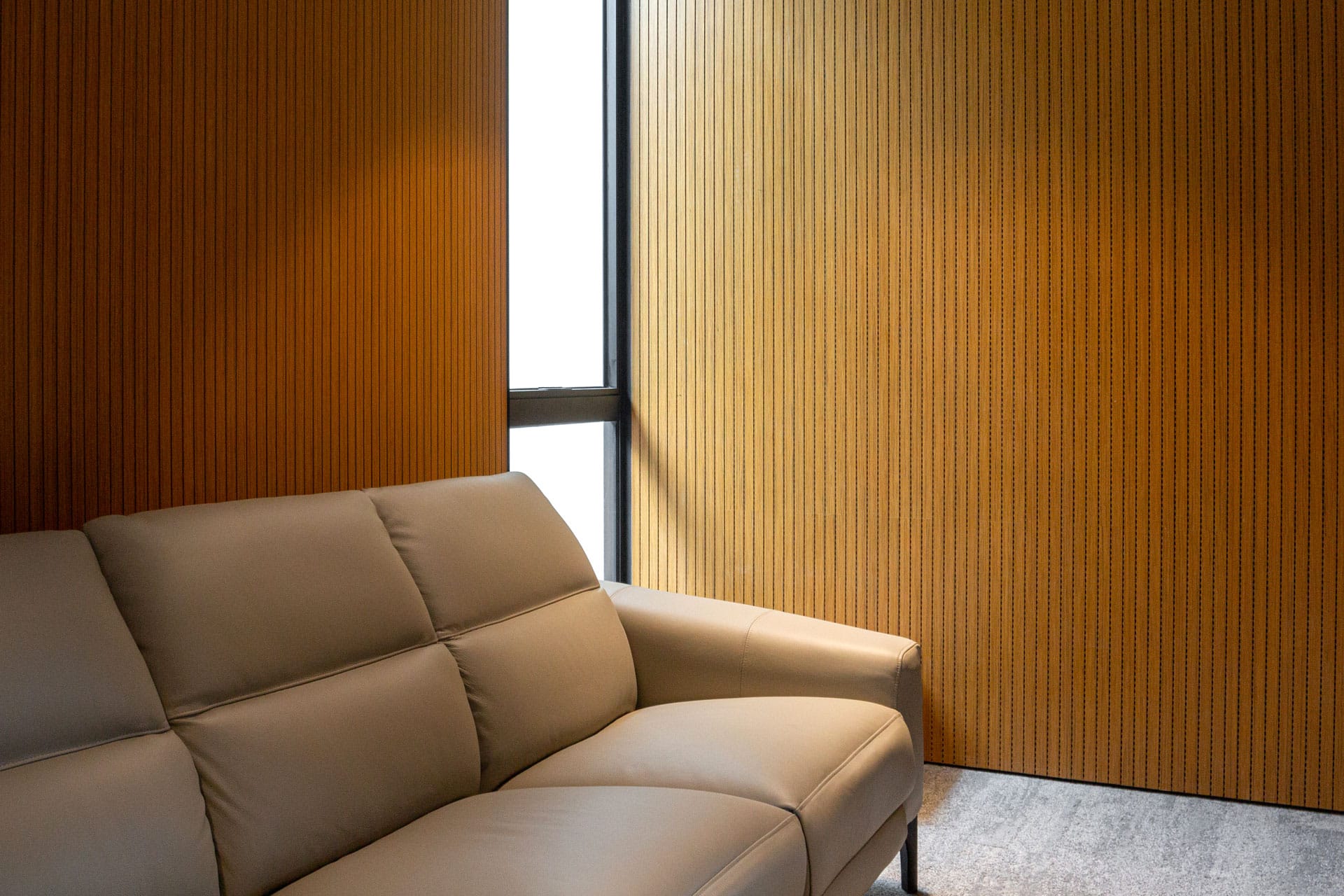
Timber cladding has re-emerged as a preferred façade material due to its low embodied carbon, natural aesthetics, and compatibility with sustainable construction strategies. As demand increases, so does scrutiny over sourcing and traceability. Forest Stewardship Council (FSC) Chain of Custody (CoC) certification plays a critical role in ensuring that timber cladding products originate from responsibly managed forests and remain traceable throughout complex global supply chains.
FSC Chain of Custody as a Foundation for Sustainable Cladding
What FSC Chain of Custody Certifies
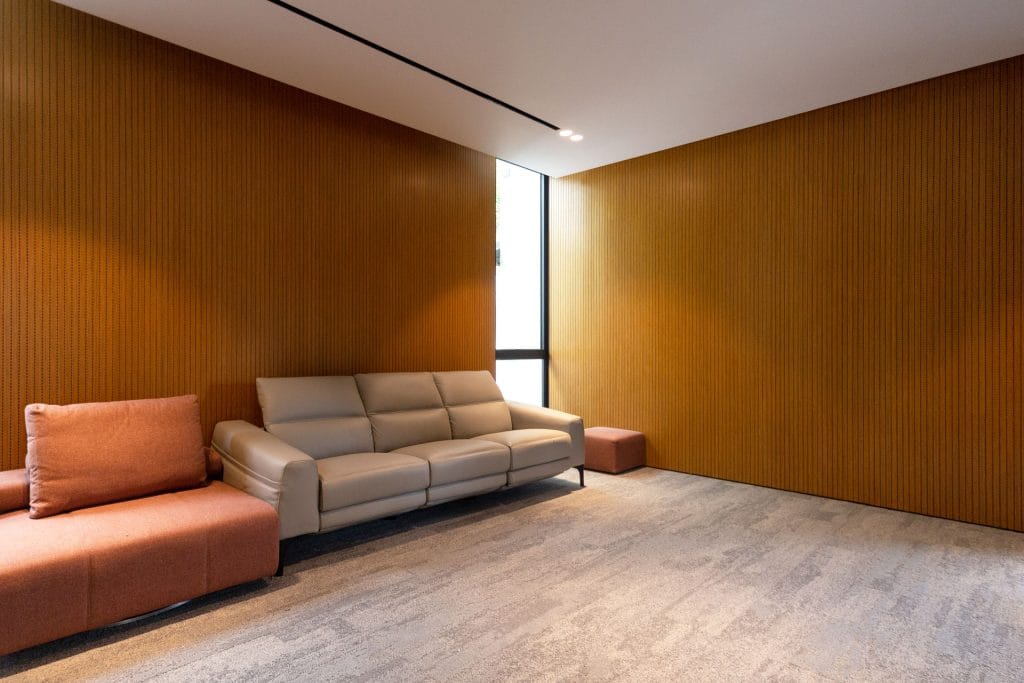
FSC Chain of Custody certification verifies that FSC-certified material is identified, segregated, and documented at every stage from forest to finished product². For timber cladding, this ensures that boards, panels, and engineered elements genuinely originate from certified forests rather than being mixed with uncontrolled sources. CoC certification therefore underpins the credibility of sustainability claims in façade applications.
Traceability Across Global Supply Chains
Modern timber cladding often involves international processing, finishing, and distribution. FSC CoC systems track certified material through sawmills, manufacturers, distributors, and installers, reducing the risk of illegal logging or misrepresentation. This traceability is particularly important in large commercial projects where procurement spans multiple countries.
Relevance to Green Building Frameworks
FSC-certified timber is recognised by major green building schemes as a responsible sourcing pathway. While FSC CoC does not guarantee overall environmental performance, it supports material transparency and responsible forestry objectives within broader sustainability assessment frameworks³.
Timber Cladding Performance and Environmental Impact
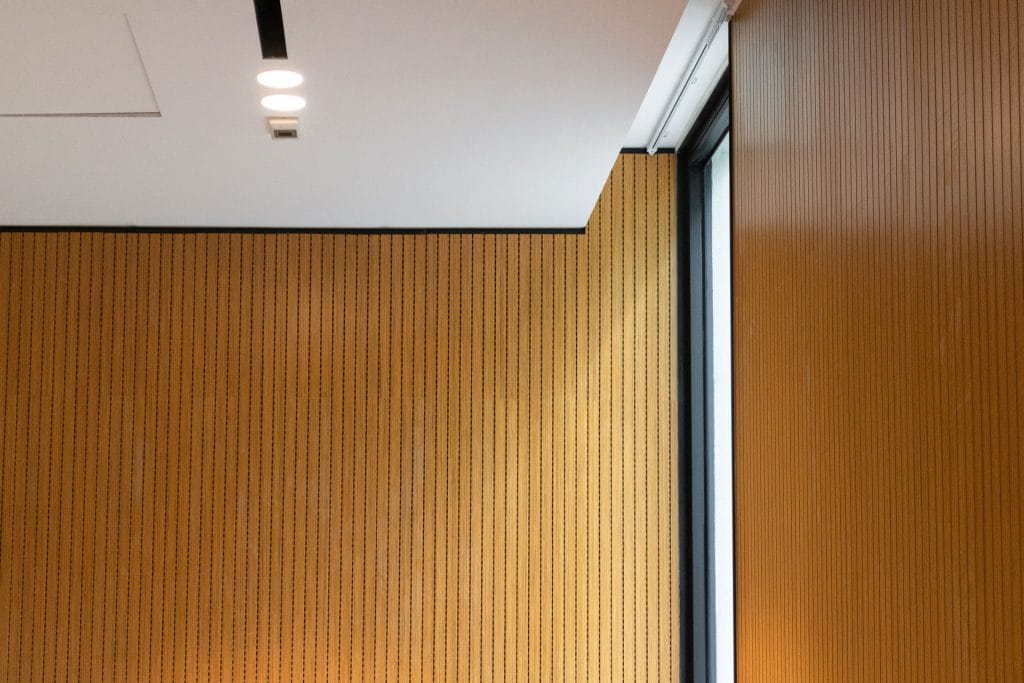
Beyond sourcing, timber cladding contributes to façade performance through thermal moderation, moisture buffering, and potential acoustic benefits. Timber’s hygroscopic properties help regulate surface condensation, while ventilated timber rainscreens can improve wall durability. When combined with FSC certification, these performance attributes strengthen timber’s position as a low-impact cladding option.
Sustainable Timber Cladding Types and Applications
Solid Timber Boards and Rainscreen Systems
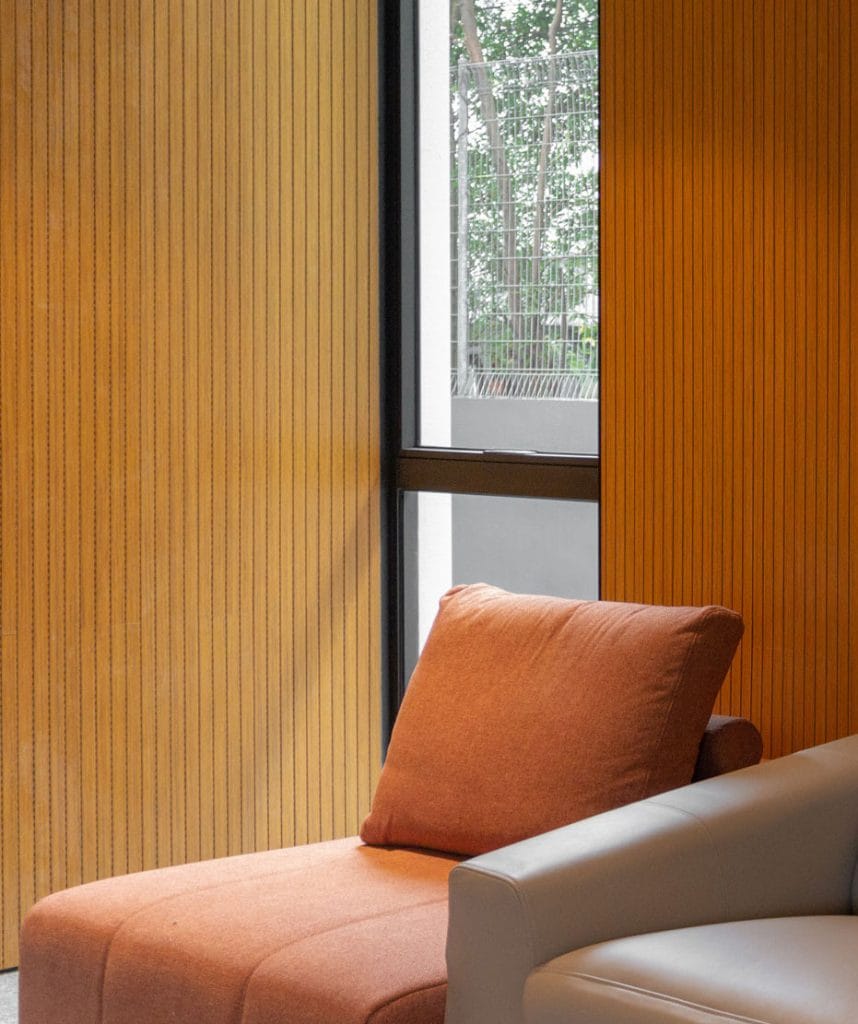
Solid timber boards remain a common choice for residential and commercial façades. Species selection, profile design, and detailing influence durability and maintenance requirements. FSC-certified solid timber supports sustainable forestry while allowing designers to specify regional or imported species with verified origins⁴.
Engineered Timber and Modified Wood Products
Engineered timber cladding, including laminated and thermally modified products, offers improved dimensional stability and extended service life. When FSC-certified input material is used, these systems combine resource efficiency with enhanced performance, reducing replacement cycles and lifecycle impacts.
Specification, Verification, and Risk Management
Documentation and Procurement Practices
Specifying FSC-certified timber cladding requires clear documentation, including valid FSC CoC numbers and product claims. Verifying certification at tender and delivery stages helps prevent substitution and ensures alignment with project sustainability goals⁵.
Avoiding Greenwashing and Mislabeling
Misuse of sustainability labels remains a risk in timber procurement. FSC CoC certification provides a robust, third-party-verified system that helps specifiers distinguish credible products from unverified alternatives, supporting transparent and defensible material choices.
Embedding Responsible Forestry in Facade Design
Sustainable timber cladding options supported by FSC Chain of Custody certification enable designers to align architectural expression with responsible resource management. While FSC certification addresses forest stewardship and traceability rather than full lifecycle impact, it forms a critical foundation for credible timber specification. When combined with appropriate detailing, performance evaluation, and maintenance planning, FSC-certified timber cladding supports durable, low-impact façades that respond to both environmental and ethical imperatives in contemporary construction.
References
- Forest Stewardship Council. (2023). FSC Chain of Custody Certification. FSC International.
- Forest Stewardship Council. (2022). FSC Principles and Criteria for Forest Stewardship. FSC International.
- U.S. Green Building Council. (2023). LEED v4.1. USGBC.
- European Commission. (2020). Level(s): A Common EU Framework of Core Sustainability Indicators for Office and Residential Buildings. European Commission.
- Hildebrandt, J., Hagemann, N., & Thrän, D. (2017). The contribution of wood-based construction materials for leveraging a low carbon building sector in Europe. Energy and Buildings, 141, 246–254.
- World Resources Institute. (2014). Sustainable Procurement of Wood and Paper-Based Products: Version 3. World Resources Institute.
Share