
Understanding VOC Materials in Acoustic Design
Volatile Organic Compounds (VOCs) are harmful chemicals released by certain building materials, affecting indoor air quality and overall health. In response to growing concerns about air pollution and health risks, low VOC materials have become a key focus in sustainable acoustic design.
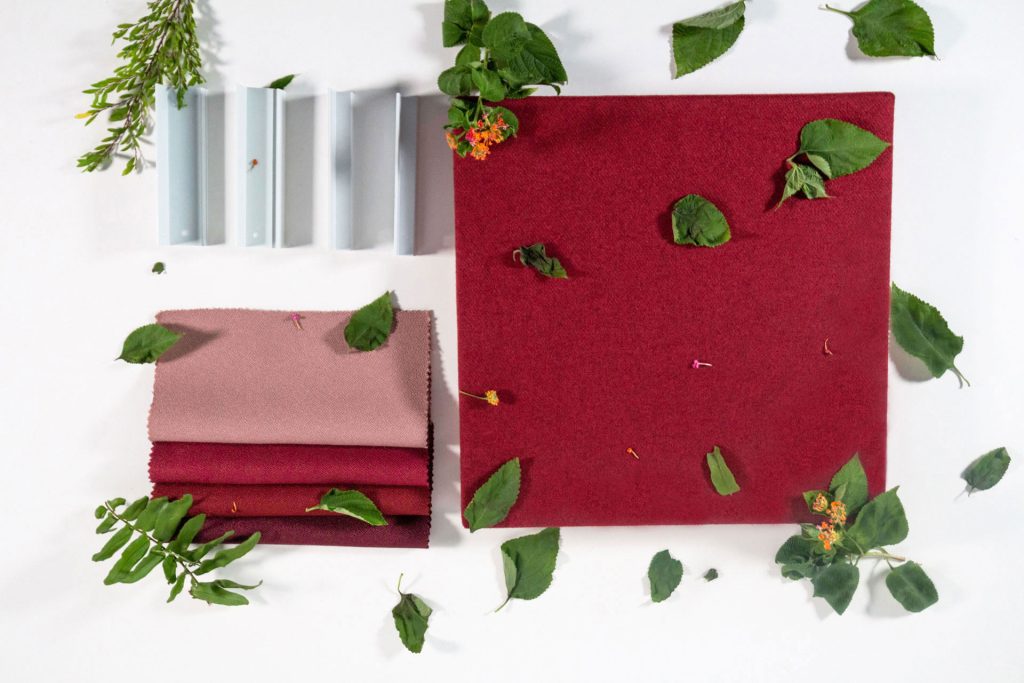
Low VOC materials are specifically formulated to minimize emissions, making them ideal for indoor cladding and acoustic treatments. These materials contribute to healthier living and working environments while ensuring excellent soundproofing and noise control².
Benefits of Low VOC Materials in Acoustic Design
Improved Indoor Air Quality
Low VOC materials release fewer harmful chemicals, reducing indoor air pollution. This is particularly important in environments like schools, hospitals, and homes where air quality directly impacts health.
Sustainability
By incorporating recycled or renewable resources, low VOC products align with green building practices. These materials help projects achieve certifications like LEED and BREEAM⁵.
Enhanced Acoustic Performance
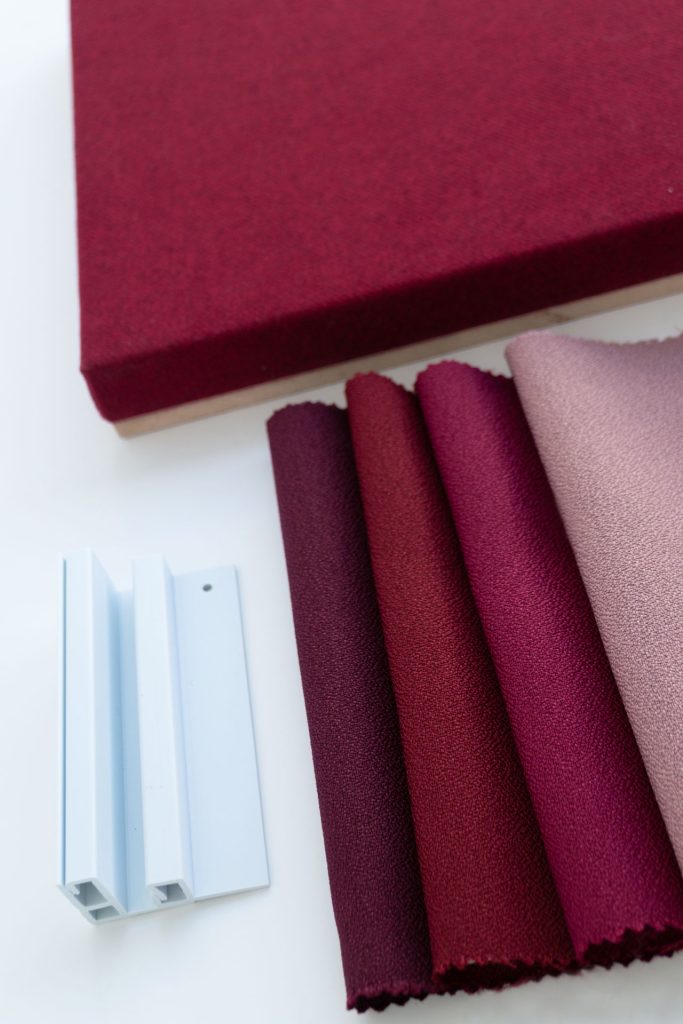
Low VOC acoustic materials, such as fabric wrapped panels and ceiling fabric, deliver excellent sound absorption while maintaining eco-friendly properties. They help balance functionality with environmental responsibility.
Durability and Maintenance
Low VOC cladding materials are often resistant to wear and tear, making them ideal for high-traffic areas. Their durability reduces the need for frequent replacements, saving costs and resources.
The Role of Indoor Cladding in Acoustic Spaces
Indoor cladding enhances both the aesthetics and functionality of a space. When paired with low VOC materials, cladding becomes a sustainable solution for creating noise-controlled interiors. Acoustic panels, fabric wall panels, and ceiling fabric cladding are commonly used to improve sound absorption while maintaining a stylish appearance³.
Cladding can be applied to walls, ceilings, or partitions to reduce noise reflections and enhance speech clarity. Sustainable materials such as Earthwool or recycled polyester boards further improve the eco-friendliness of these systems⁴.
Applications of VOC Materials and Indoor Cladding
Residential Spaces
In homes, low VOC materials improve air quality and reduce noise, creating peaceful and healthy environments. Indoor cladding can be used in bedrooms, living rooms, and home theaters for better acoustic performance.
Commercial Offices
Open-plan offices benefit from acoustic wall panel cladding that reduces noise distractions. Low VOC materials ensure compliance with workplace health standards.
Education and Healthcare
Schools and hospitals use low VOC acoustic panels to create environments conducive to learning and healing. Noise control materials help improve focus and comfort.
Entertainment Venues
Indoor cladding in theaters and studios enhances sound quality while maintaining an eco-friendly footprint. Perforated wood panels and fabric wall systems are popular choices.

VOC materials and indoor cladding offer a transformative approach to acoustic design, balancing health, sustainability, and performance. By reducing harmful emissions and enhancing noise control, these materials create healthier, more comfortable spaces. Whether used in residential, commercial, or public settings, low VOC materials and cladding systems are shaping the future of sustainable acoustic spaces.
References
- “Low VOC Materials in Interior Design” GreenGuard Certification, 2023
- “Indoor Cladding for Acoustic Performance” Interior Design Journal, 2023
- “Sustainable Insulation with Earthwool” Knauf Insulation, 2023
- “Noise Control Materials and VOC Impact” Architectural Digest, 2022
- “Creating Healthier Acoustic Spaces” Acoustic Geometry, 2021
Tags
- Acoustic Ceiling Insulation, Acoustic Panels, Acoustic Sound Treatment, Acoustic Treatment, Acoustic Wall Panel, Acoustical Fabric Wall Panels, Ceiling Fabric Focus Keyphrase, Fabric Wall Panel, Indoor Cladding, Low VOC Products, Noise Control Materials, Room Acoustic Treatment, Sustainable Insulation, VOC Materials
Share